Kyo-Jitsu Ryu Lesson 12
Effortless Action
Have you ever tried to push a stalled car? That initial shove—the effort to break its static state—requires straining every muscle in your body. But once it is rolling, even slightly, steering it requires a fraction of that effort.
This reveals a fundamental truth: a moving object is easier to manage than a stationary one.
The Pendulum Principle
An object at rest has “stickiness.” We usually try to overcome this inertia with brute muscular force. The Pendulum Principle offers a better way: use gravity.
By learning to release weight before we move, we turn the force that makes an object feel heavy into the engine that moves it.
The Mechanic: Sink & Redirect
A controlled release of weight into gravity. This breaks the static state effortlessly.
The structure naturally reacts to the drop, creating potential energy.
Guide the resulting momentum. Cooperate with the motion, don’t force it.
Most training focuses on adding horsepower (muscle). We focus on removing the parking brake (tension). The result is speed that feels heavy and power that feels effortless.
Explore The MentorshipEveryday Application
Walking
Incorrect: Leaning forward past your feet (falling).
Correct: Sink weight through the back leg to propel forward. Your momentum comes from directed gravity, not muscular pushing.
Heavy Objects
- Tilt: Lift one corner to break “stickiness.”
- Connect: Create a controlled imbalance.
- Lead: Move your body. The object follows you. Move yourself, not the box.
Martial Application
Evasion
When pushed, do not brace. Sink your weight with the force. This momentary root allows you to convert their linear push into rotation. You don’t just escape the force—you guide it past you.
Power Generation
A strike starts with a release, not tension. Let the arm “drop.” Gravity creates the momentum; muscle simply guides the arc.
Training Tools

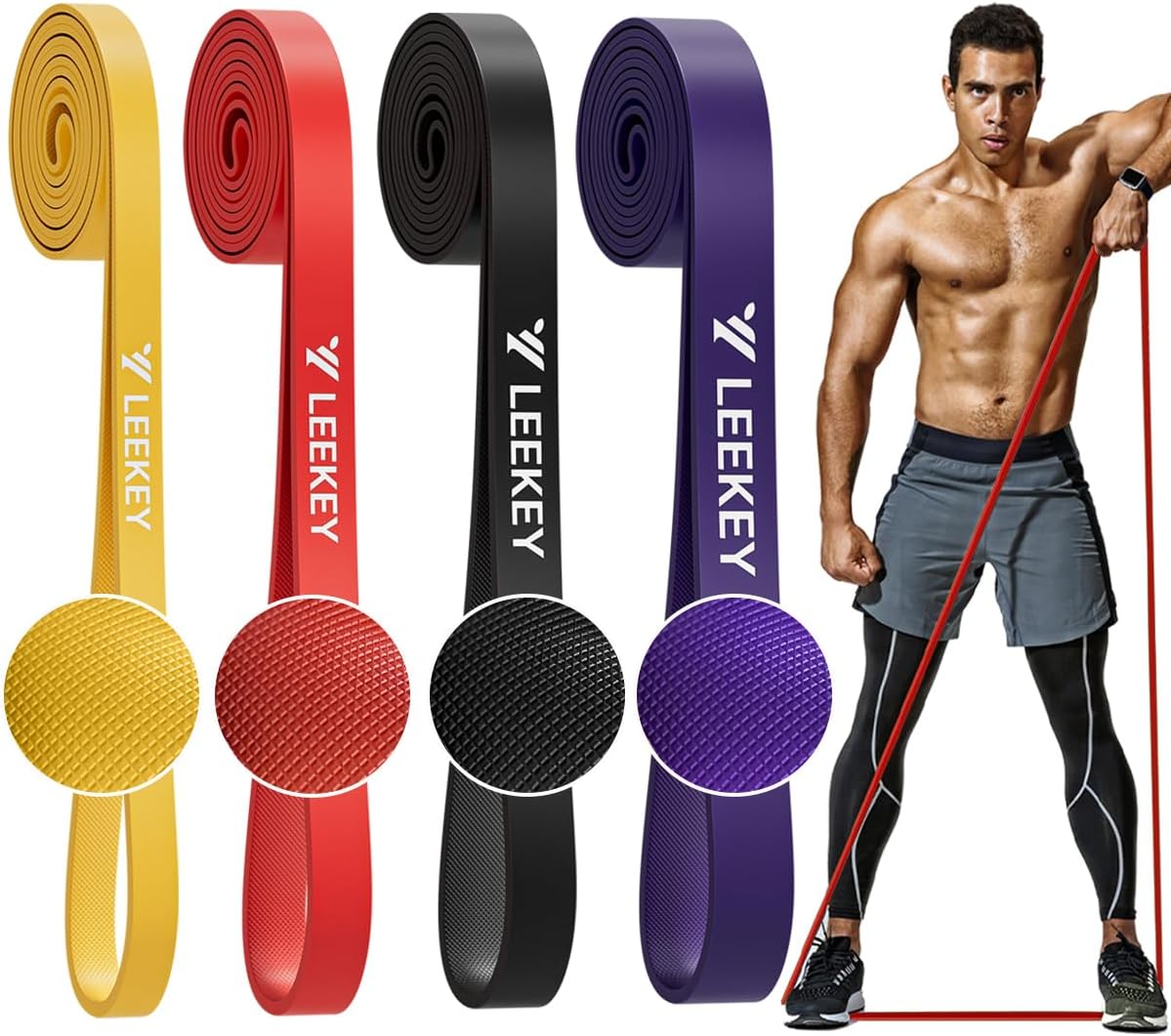
Structural Bands
Train whole-body connection and the “heavy” feeling of gravity-based power.
View Equipment