Kyo-Jitsu Ryu Lesson 9
The Efficient Generation of Force
End a conflict with intelligence. This lesson details the mechanics of the strike—not for sport, but for personal safety.
FOUNDATIONAL CONCEPTS
The Purpose: Disruption and Control
When an aggressor attacks, their mind is fixed on their goal. A strike is not merely physical damage; it is a mechanism to shatter focus. By introducing immediate physiological disruption, you force their attention to shift from you to their own body. This creates the window for escape or control.
You use the strike to influence their balance. You do not join them on the ground. Your objective is structural integrity: they fall, you remain standing.
Physical mechanics are useless if the internal state has collapsed. Fear restricts peripheral vision and adrenaline erodes fine motor skills. We teach the structure required to apply these mechanics under pressure.
Explore The MentorshipThe Pass-Through Effect
Power is not measured by the sound of impact (“the thud”) but by the transfer of energy into the target. This is the Impulse-Momentum Theorem.
- Relaxed Tension: A tight body is a slow body. Power requires a state of relaxed readiness, allowing for the velocity of a whip rather than the stiffness of a board.
- The Snap: Focus energy into a single point of contact. Your arm acts as the whip; your core is the handle.

Structural Integrity
To deliver force without sustaining injury, the body must be unified.
- Point of Contact: Utilize the knuckles of the middle and ring fingers. Aligned naturally with the forearm, these offer the straightest path for energy transfer.
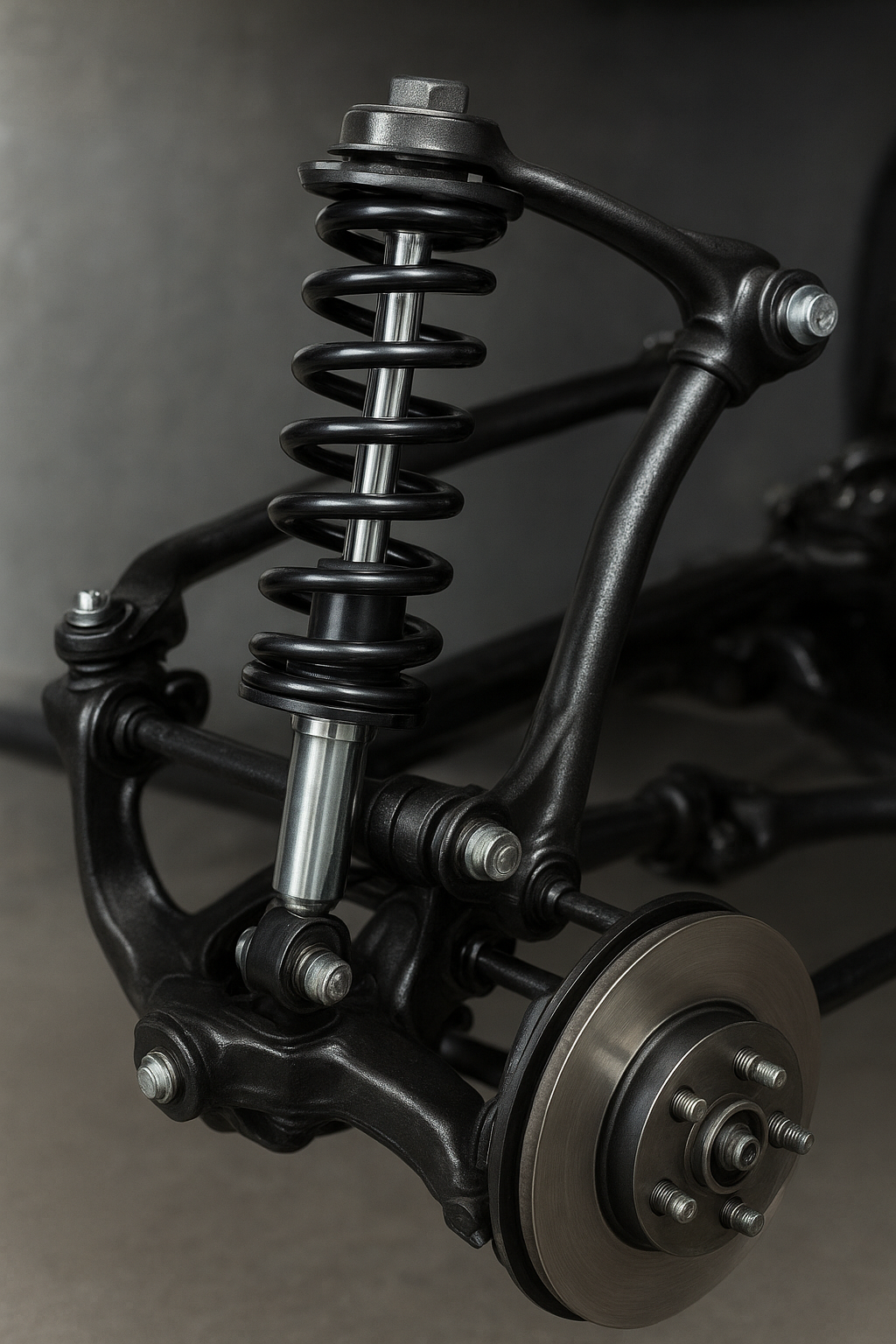
- The Suspension System: Upon impact, a relaxed arm acts as a suspension system, absorbing the equal and opposite reaction force and distributing it safely through the skeletal structure.
The Kinetic Chain
By engaging the core and dropping body weight slightly upon impact, you can exponentially increase force output.
This utilizes the principle of the Galilean Cannon. A large mass (your core) transfers momentum to a smaller mass (your fist), resulting in significant acceleration. You are using the largest part of your body to power the smallest.

Application Beyond Conflict
Disruption
In verbal conflict, do not seek to destroy the opponent. Seek to disrupt the cycle of anger with calm, grounded assertiveness.
The Pass-Through
When facing criticism, do not absorb the negativity. Maintain your structure and let the hostility pass through you without finding purchase.
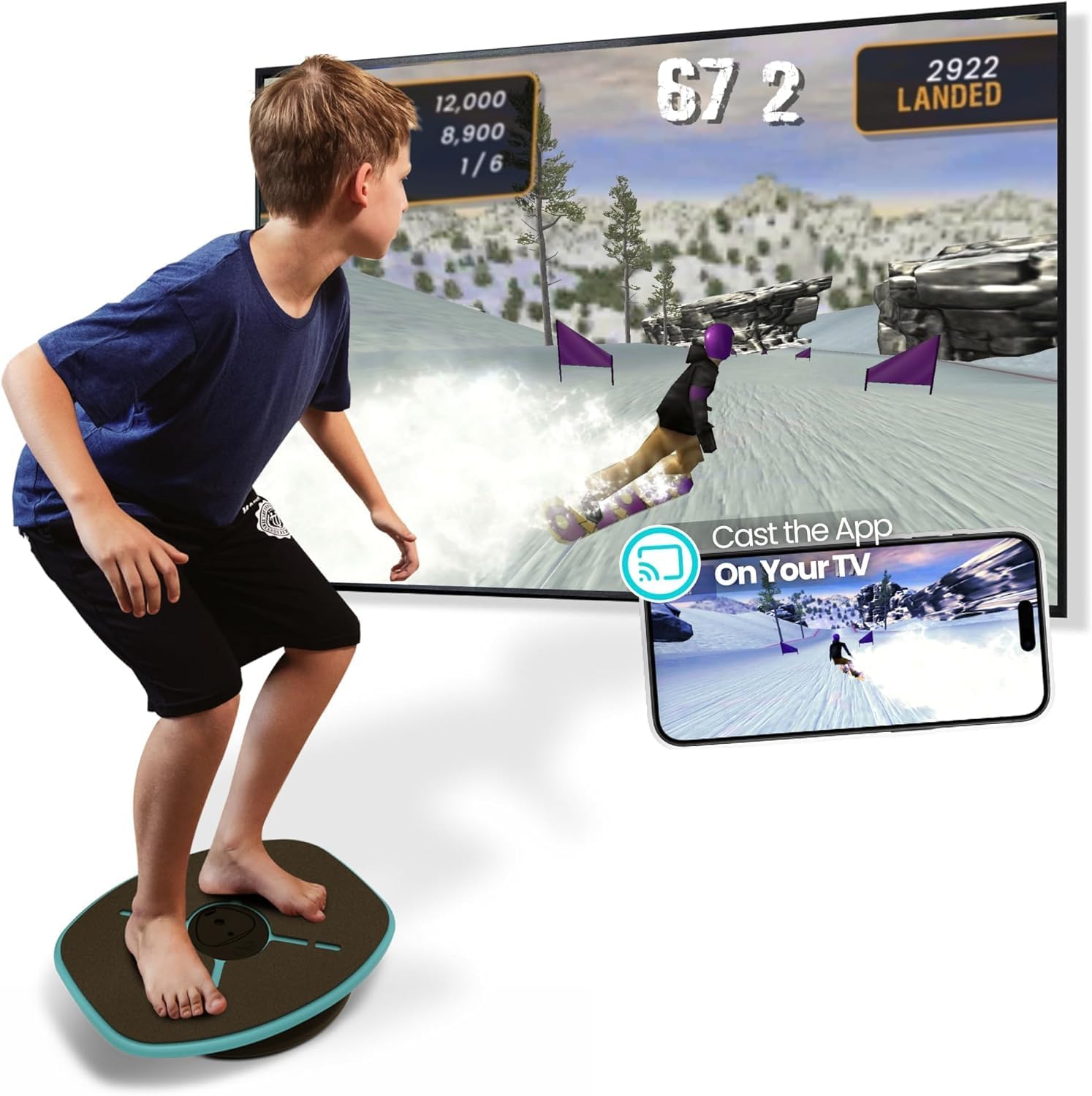
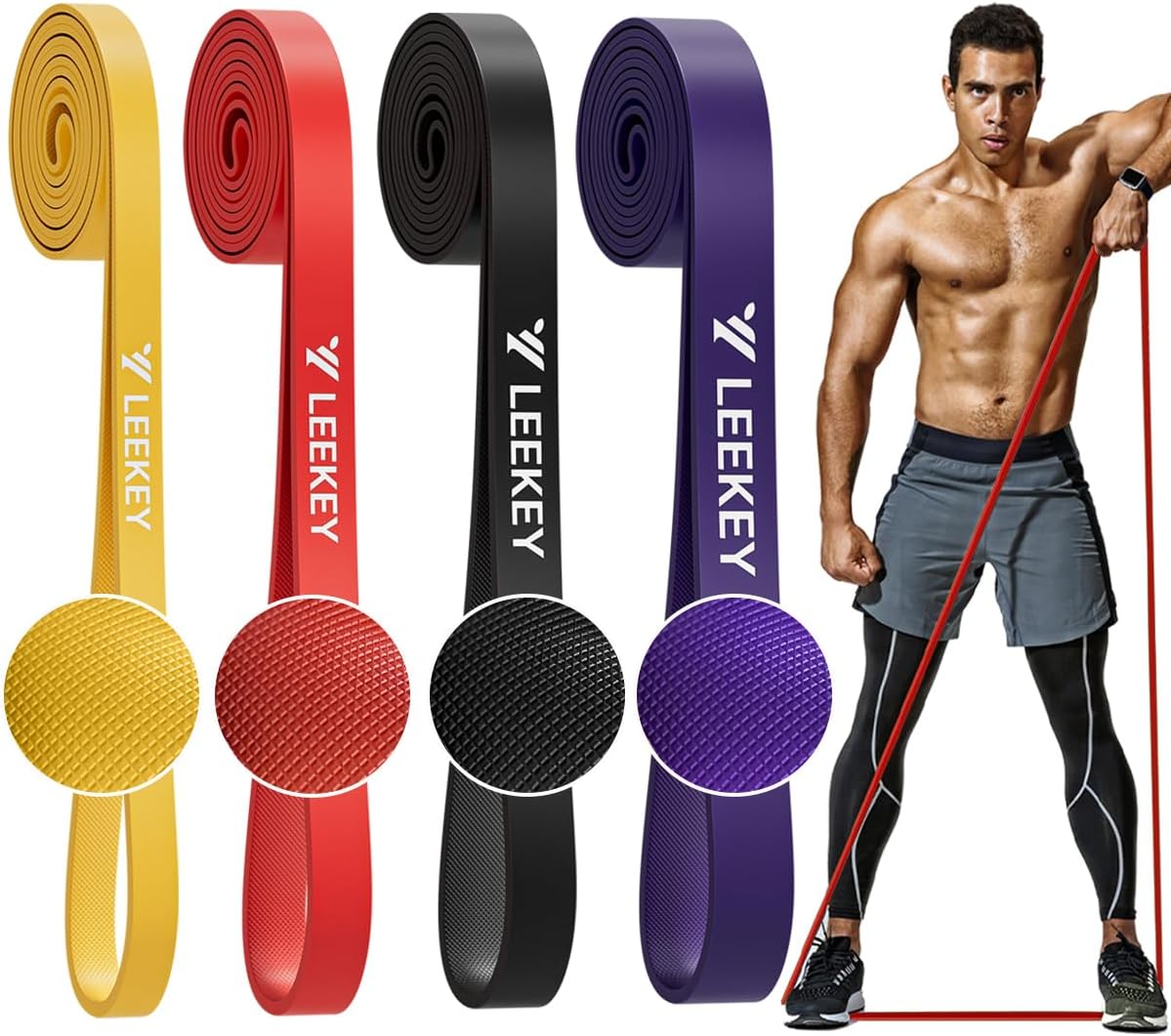
Theory requires practice. These tools isolate the mechanics discussed above.
Frequently Asked Questions
-
Why not just hit as hard as possible?
Raw tension creates a “thud” which often damages the striker more than the target. Fluid momentum creates disruption. -
Will this work under stress?
Only if the internal state is managed. This is why we prioritize mindset over mechanics. -
How do I know if I’m doing it right?
It should feel effortless. A proper strike feels like a release of tension, not a gathering of it.