The Structural Wedge: The Key to Managing Force
The Structural Wedge is a core principle in the Kyo-Jitsu Ryu system that teaches you to use your body’s natural structure to manage incoming pressure. It’s about using angles and relaxed resilience, not rigid strength, to turn a threat into an opportunity.
Learning the physical mechanics of the Wedge is the first step, but even perfect structure fails if fear freezes you in the moment. Physical tools require a mental operating system to function under real duress.
“I knew the moves, but I froze when it mattered. The Mentorship fixed my internal switch.” – Mark T. Secure Your MindsetBefore You Begin: The Foundational Principles
The Structural Wedge is a powerful tool on its own, but it truly shines when paired with the other foundational principles. If you’re new to the system, it’s highly recommended you explore these lessons first.
Lesson 1: Unshakeable Self-Control
Learn to master your inner world to remain calm and decisive under pressure. This is the foundation for all effective action.
Learn MoreLesson 2: Build Strong Balance
Discover the difference between static balance and dynamic stability. Learn how to stay grounded and strong when faced with external force.
Learn MoreLesson 3: Move with Your Core
Build on foundational stability by learning to move fluidly and powerfully from your core, enabling you to adapt and respond effectively.
Learn MoreLesson 4: Center Line Principle
Explore the strategic use of your body’s central axis to gain an advantage in any interaction, ensuring all your actions are as efficient as possible.
Learn MoreLesson 5: Forward Intention
Develop a proactive mindset of relentless forward motion. Learn to turn obstacles into opportunities by using their energy to continue your advance.
Learn MoreLesson 6: Dynamic Response
True strength is in adaptability. This principle, grounded in the philosophy of “Bend, Don’t Break,” teaches you to blend with and redirect force.
Learn MoreWhy We Intercept, Not Block
A “block” is a rigid collision that can be dangerous and inefficient. In Kyo-Jitsu Ryu, we “intercept” force instead. The goal is to manage the energy, not to stop it. This is the difference between standing in front of a speeding car and attempting to stop it with a push and using a train track to guide a train onto a different path.
Interception vs. Hard Block Effectiveness (Qualitative Data)
The Wedge Analogy
Think of a real-world wedge used to split wood. It takes a straight-down force and turns it into two sideways forces. Your body, when properly angled, can do the same. This principle allows you to take a straight-on attack and change its direction, or even send its energy back to the person who delivered it.
Two Methods of the Structural Wedge
The Structural Wedge has two main physical applications, each used to manage different types of incoming pressure.
Inside Interception (For Straight Attacks)
This method is used for pressure that comes straight at you. Your arm or leg is angled so the pinky-side of your hand or foot is forward, creating a “rail” for the “train” of their pressure to ride on. This has one of three possible outcomes:
- Result 1: The aggressor recoils, and you follow them to maintain pressure.
- Result 2: The aggressor’s force travels through you and rebounds off the ground, causing them to feel the impact in their own structure.
- Result 3: The force is guided along a new path, allowing you to pivot under its momentum.
Outside Interception (For Angled Attacks)
This method is used for hooks or overhand strikes. You meet the incoming force with an outward-facing limb, with the palm up for a high attack or palm down for a low attack.
- Result 1: The force hits the outer part of the receiving limb and is harmlessly passed to the other side of your body.
- Result 2: The force hits the inner part of the receiving limb, passes through your relaxed body, and rebounds off the ground.
- Result 3: The attack hits a “sweet spot” where its energy cancels out your forward pressure.
The concepts above (results, rebounds, angles) are abstract until you feel them. In a real altercation, you don’t have time to remember a checklist. You need a fail-safe programmed into your nervous system.
“The 10-week program changed how I walk down the street. I don’t hope I’m safe; I know I’m designed for it.” – Sarah J. Apply for MentorshipThe Power of the Structural Wedge Beyond the Physical
The principles of the Structural Wedge are not limited to physical conflict. They are a powerful model for psychological and philosophical resilience in everyday life.
Psychological Applications
Use the Wedge to manage emotional pressure and criticism without being overwhelmed.
- Diffusing Pressure: Receive emotional attacks without internalizing them. Allow the “energy” of a hostile comment to pass through you.
- Creating a Mental Frame: Establish firm boundaries, protecting your own mental “centerline” from emotional volatility.
- Redirecting Energy: Use the “judo” of conversation to guide an argument toward a more constructive, peaceful resolution.
Philosophical Applications
The Structural Wedge embodies the philosophy of “The School of Relaxed Resilience,” modeling how to navigate life’s challenges with flexibility and wisdom.
- Willow Tree Metaphor: Like a Willow Tree with its stable roots and flexible branches, a resilient person has a strong core but is fluid and adaptable in their mind and emotions.
- Acting Without Acting: The Wedge allows you to achieve a goal with minimal effort by acting in harmony with the natural flow of force.
- Strategic Adaptability: The Wedge teaches you to be like a military general who uses the “oblique order.” Instead of fighting directly, you use strategic positioning and momentum to find a new, winning path.
Synergy: A Tool in a Toolbox
The Structural Wedge is a powerful tool on its own, but it truly shines when paired with the other foundational principles of Kyo-Jitsu Ryu. It becomes a more powerful and effective tool when activated with the entire system.
Enhance Your Training
Achieve unshakeable stability and master your core with our recommended training tools.
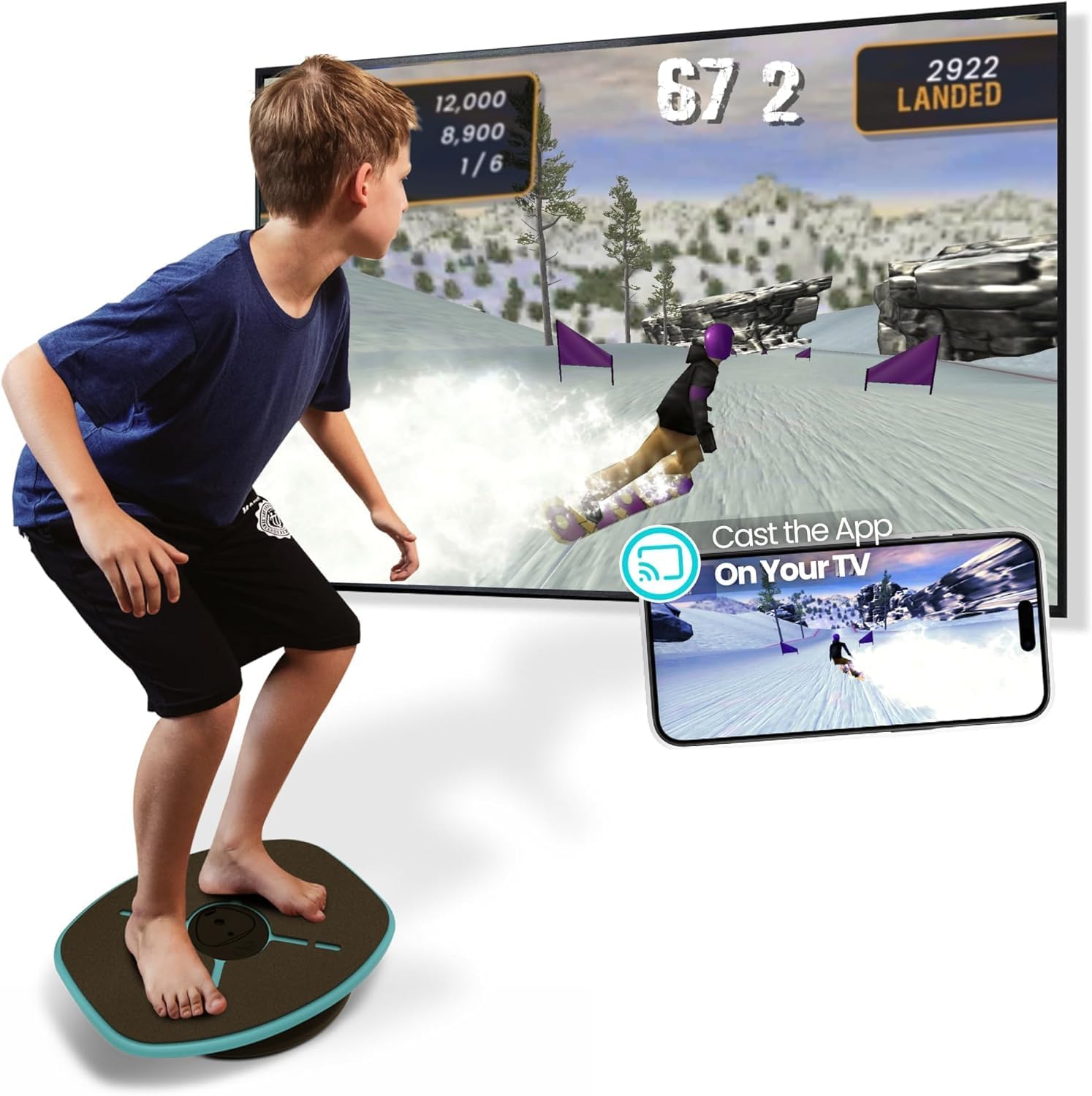
GoBalance Board
The GoBalance Board is an app-enabled smart training tool designed to improve your coordination, strength, and structural stability. It’s the perfect way to build the unshakeable foundation needed for all Kyo-Jitsu Ryu principles.
View on Amazon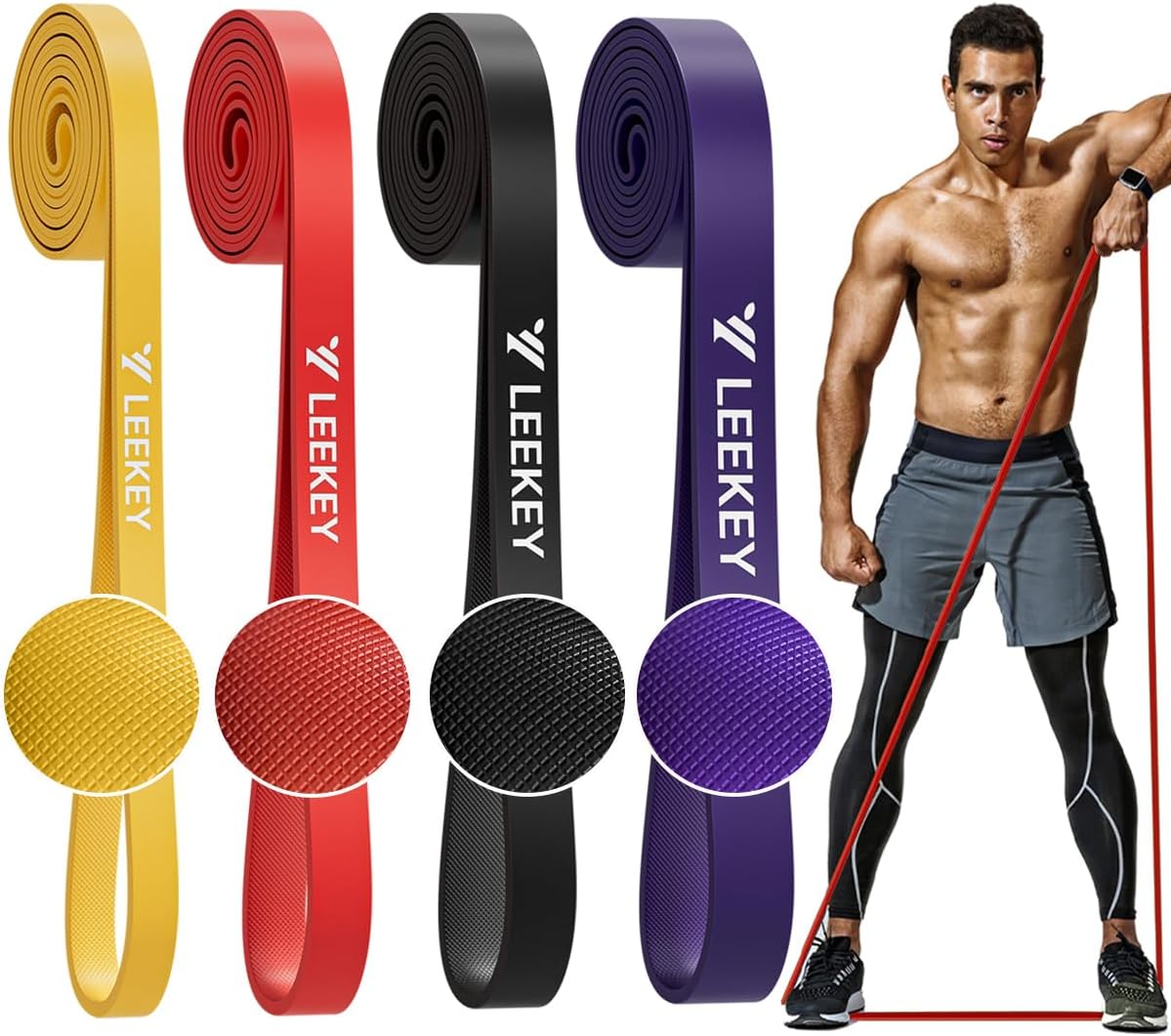
Power Resistance Bands
Build the physical and mental attributes required for Forward Intention and Mobile Stability. These bands provide constant feedback and resistance, helping you develop deep, adaptable strength for any challenge.
View on AmazonYour Questions Answered
Common questions about the Structural Wedge, its purpose, and its applications.
What’s the main difference between a block and a structural wedge?
A block is a rigid, force-on-force collision that can be dangerous and inefficient. A structural wedge is a dynamic interception that uses your body’s natural angles and structure to manage and redirect an opponent’s force, turning their energy against them without a direct, jarring impact.
How does the principle of the Structural Wedge relate to my emotional state?
The physical principle of the wedge is a powerful metaphor for your psychological state. By learning to be non-rigid physically, you train your mind to be non-rigid emotionally. You can “yield” to a hostile comment without internalizing it, “absorb” the emotional energy, and “redirect” the conversation towards a more constructive, peaceful resolution, just as you would with a physical attack.
How does Forward Intention make the Structural Wedge more effective?
Forward Intention is the mental drive that makes the wedge an active, not passive, tool. It provides a constant, gentle pressure that allows your limb to “stick” to the opponent’s attack, creating the “rail” for their energy to ride on. This forward drive ensures that you are always in control of the engagement and are not simply being pushed around.
What is the “rebounding” effect of the Structural Wedge?
The rebounding effect is a consequence of proper structural alignment and a relaxed state. When an opponent’s force is transmitted through your skeletal structure to the ground, the Earth’s equal and opposite reaction force travels back up the same path and into your opponent’s body, where it hits a point of muscular tension. The opponent is then the one who feels the impact of their own attack.
How does the Structural Wedge help me with my physical and emotional well-being?
On a physical level, the wedge teaches you to use your body with maximum efficiency, reducing the risk of injury and preserving joint health. On an emotional level, it provides a philosophical framework for being resilient, teaching you to be like a willow tree that bends with the wind rather than snapping under pressure.
P.S. Control yourself or something else will. Don’t wait for a crisis to start your training.
– Sensei B. Duncan