Skip to content

The Day the System Failed: A Story of High Pressure and Hard Truths

I usually share stories about how the training leads to success. But today, I need to tell you a story that doesn’t have a traditionally happy ending. I’m telling it because I want you to see that even a teacher isn’t perfect. We all have good days and bad days, and sometimes, the most important thing a training can do is help you pick up the pieces after a fall.

For over a year, I worked with a student who had lost everything to domestic violence. Their home, their livelihood, even their children were gone. When they moved across the country to live with family, they were stuck in neutral. For six months, they added nothing to the house and saw no way forward. That is when I started training them.

Things really started to change. They got a job, then a better one in hospitality. They went from making $25 a day to bringing home nearly $1,000 a week. I supported them through court cases, even providing transportation and moral support for the long trips back to the East Coast. But on the last trip, the verdict didn’t go their way.

The training vanished. For twelve hours on the drive home, the student screamed, yelled, and made threats. They let the situation control every part of them. I stayed stoic and composed for the first eight hours, trying to talk them down. But I have my own history with domestic abuse. Yelling is a deep trigger for me. Eventually, the pressure of carrying someone who refused to use the tools to help themselves lasted longer than my structure could hold.

The Breaking Point

“At a truck stop, I snapped. I tried to force them and their things out of the car. It wasn’t until I grabbed their shirt and felt the fibers start to give that I woke up. I had lost control. I had acted as rashly as the situation I was trying to manage.”

I stopped immediately. I didn’t speak another word for the rest of the drive. I made sure they got into their house safely, but I recommended we separate for a month so I could decompress. It only got worse from there. The student turned on me, blaming me for everything that went wrong. They attacked their employer and got fired. They twisted the training to suit only their own needs.

I realized then that I cannot help everyone. But what about me? I took a week to wrap my head around my own mistakes. I looked at where I had dropped the ball. I went back to the hardware. I focused on my marriage, my friendships, and getting my own life back in order.

The system failed me that day because I failed the system—if only for a moment. But because I had the training, I knew how to fix the damage. I didn’t stay in the crash. The system is what allowed me to recover. It gave me the map to face my family and friends and repair the damage I had caused during that year of trying to save someone who wouldn’t save themselves.

I didn’t write this to advertise or to make a pitch. I wrote it to admit a failure and to show that the training works even when we slip up. It is what caught me when I fell. It allowed me to rebuild my marriage and my friendships into something stronger than they were before. It works if you use it.

Learn the Map to Results
The tools are for the good days and the worst days.
Get The Hardware Override Manual

The Strategic Mindset: Finding Your Way to Safety

Beyond “Fight, Flight, Freeze, or Fawn”

The Strategy Gap

First, conflict triggers a natural reaction. We know it as the “fight, flight, freeze, or fawn” response. This is instinct. However, instinct is not strategy. Therefore, Kyo-Jitsu Ryu offers The Other Way.

Conflict is a strategy problem, not a brawl. Consequently, you must not meet force with force. That is a Destructive Mentality. Instead, think like a consultant. Be calm. Be efficient. Focus only on finding your way to safety.

Core Strategic Concepts

Kyo (The Weakness) / Jitsu (The Strength)

For example, think about mechanics. An attacker’s push is their strength (Jitsu). But that push creates a gap (Kyo). So, move out of the way. Let their strength become a weakness. Read more about our core principles here.

Mobile Stability

Basically, this is the principle of readiness. Stay balanced. Stay grounded. Furthermore, be ready to move. You are never stuck. You are always ready to negotiate your way to safety.

Part 1: The Physical Game

The Common Reaction: The Sledgehammer

Initially, your gut tells you to tense up. You want to strike hard. However, this tires you out. Also, it makes you predictable. You lose balance. As a result, you act like a battering ram: high force, low control.

The Strategic Response: The Tuning Fork

In contrast, do not oppose force. Use precision to break their structure. When an attacker grabs you, they commit to that action. Therefore, allow that commitment. Then strike the exposed target to break their focus. The grip releases because they feel new pain, not because you pulled away.

🚫 Stop Fighting Force With Force

Trying to overpower an attacker is a gamble. However, redirecting their energy is a science. In the Mentorship, we teach you the physics of “Mobile Stability” and finding your way to safety efficiently.

“I stopped trying to out-muscle people and started out-thinking them. It changed everything.” — Michael K., Student Learn The Physics

Part 2: The Mental Game

The Strategic Response: The Cognitive Pause

First, keep control. Force the attacker to think. For instance, use a Verbal Strike. Ask a calm, odd question like, “Are you okay?” This breaks their script. Consequently, it creates a Cognitive Pause. It shifts their brain from “attack” to “think.” This buys you time to escape.

The Common Reaction: The Panic Button

Unfortunately, untrained minds panic. You join the attacker’s drama. You yell or argue. Thus, this confirms their power. It locks you into a victim role. You get tunnel vision. Finally, you lose the ability to think your way to safety.

🧠 Hack The Attacker’s Mind

A fight is psychological. Therefore, by disrupting their OODA Loop (Observe-Orient-Decide-Act), we teach you the verbal techniques that freeze an aggressor in their tracks.

“The ‘Cognitive Pause’ technique de-escalated a road rage incident instantly. I was home safe in 5 minutes.” — David L., Broker Master Verbal Defense

Part 3: The Life Game

The Fighter vs. The Strategist

The Fighter wants to win the battle. But this escalates conflict. It risks legal trouble. On the other hand, the Strategist has one goal: ensure safety.

Use the scalpel, not the sledgehammer. This aligns with Passive Resistance. Moreover, it protects you legally and ethically. Remember: Success is not winning a fight. Success is navigating your way to safety unharmed.

A calm, confident man stands completely still in the middle of a motion-blurred urban street at twilight, sharply in focus while crowds rush past him, symbolizing clarity and control—your way to safety.

The Goal is Peace

We do not train to fight. Rather, we train so we never have to fight on the enemy’s terms. Peace is internal. Maintaining that peace is the ultimate efficiency.

Frequently Asked Questions

Is passive resistance safe against violence?

Yes. It isn’t about doing nothing. Instead, it is about doing the smart thing. Refuse to meet force with force. Create openings (Kyo). Thus, you find your way to safety faster than a brawl.

Do I need to be fit or strong?

No. The system relies on leverage and mechanics. Therefore, it does not need brute strength. It is effective for people of all ages.

How is this different from MMA?

MMA focuses on “winning the fight.” However, Kyo-Jitsu Ryu focuses on “surviving the encounter.” We prioritize de-escalation. Ultimately, we focus on your way to safety.

Go Beyond The Concepts

This guide covers the 20% (the theory). However, my 10-Week Personal Safety Mentorship covers the 80%. We cover practical application, nervous system regulation, and the drills that make these strategies second nature.

*Next Intake Limited to 10 Students to ensure personalized instruction.

P.S. You do not need more muscle. Instead, you need more strategy. The principles are the map; the mentorship is the guide.

© 2025 The Other Way Martial Consulting. All rights reserved.

Disclaimer: The information provided in this blog post is for educational purposes only. Consult with a security professional for specific threat assessments.

A Whole-Person Approach to Dealing with Bullies

At The Other Way Martial Consulting, we believe that learning how to deal with bullies is about more than just protecting your body. We teach that personal safety is a whole-person concept, involving your physical, psychological, and philosophical well-being. Bullying is a serious problem that attacks all three of these areas. This guide is designed to help you understand different types of harassment and stop bullying, providing you with the tools and coping strategies to protect not just your body, but your mind and spirit as well.

Part I: How to Deal with Bullies by Understanding Their Tactics

Chapter 1: The “Hunter”

The “Hunter” is the classic, power-hungry bully. They are deliberate and enjoy the feeling of dominance. Their bullying is often overt and public. This behavior is known as proactive aggression—a cold, planned action used to gain control. It’s often driven by “Dark Triad” traits. To counter them, you must stand your ground calmly, use repetitive boundary-setting phrases for verbal self-defense, and document everything to create a paper trail for formal help.

🎯
The Hunter

Uses planned, proactive aggression for power and control.

🦁 HUNTERS SEEK VICTIMS, NOT FIGHTS.

A hunter looks for weakness. Documentation is a shield, but confidence is a weapon. In the Mentorship, we teach you how to project the “Hard Target” energy that makes hunters look elsewhere.

➤ Become A Hard Target
🐍
The Ambusher

Uses covert, relational aggression like gossip and exclusion.

Chapter 2: The “Ambusher”

This bully is covert and two-faced, often sabotaging you behind your back. This is called relational aggression, a psychological attack meant to harm friendships. It’s driven by insecurity. To handle this type of bully, bring their actions into the light by asking clarifying questions in public, build your own strong alliances to counter their isolation tactics, and, if you feel safe, confront them directly and privately about their specific behaviors.

Chapter 3: The “Grenade”

The “Grenade” has sudden, unpredictable outbursts of rage. This is reactive aggression, an impulsive, emotional response. This person is often a “bully-victim“—someone who both bullies and is bullied, and who suffers from poor emotional regulation. The best way to deal with this bully is to create distance during an outburst. Do not engage. Later, when they are calm, set firm boundaries about their unacceptable behavior.

💣
The Grenade

Exhibits reactive, explosive aggression due to poor emotional regulation.

🔍
The Critic

Undermines confidence with hyper-criticism and fault-finding.

Chapter 4: The “Critic”

This bully constantly chips away at your confidence by finding fault in everything you do. This is a form of psychological harassment meant to undermine you. It’s often driven by their own deep-seated insecurity. To counter them, use the “Fogging” technique by calmly agreeing with a small part of their criticism. Crucially, ask for specifics in writing (“Could you email me the exact changes you’d like to see?”).

Chapter 5: The “Joker”

The “Joker” uses “humor” as a weapon, saying cruel things and then hiding behind the defense of “I was just kidding!” This gives them plausible deniability. The most effective counter is to not get angry, but to calmly ask them to “Explain the joke.” Forcing them to deconstruct a mean-spirited comment makes them look foolish and exposes their intent.

🃏
The Joker

Uses “humor” as a weapon with plausible deniability.

🥋 WORDS ARE WEAPONS. LEARN TO PARRY.

Asking a Joker to “explain the joke” is a martial art technique applied to conversation. We teach you the specific verbal scripts (Tactical Linguistics) to shut down verbal attacks instantly.

➤ Learn Tactical Linguistics
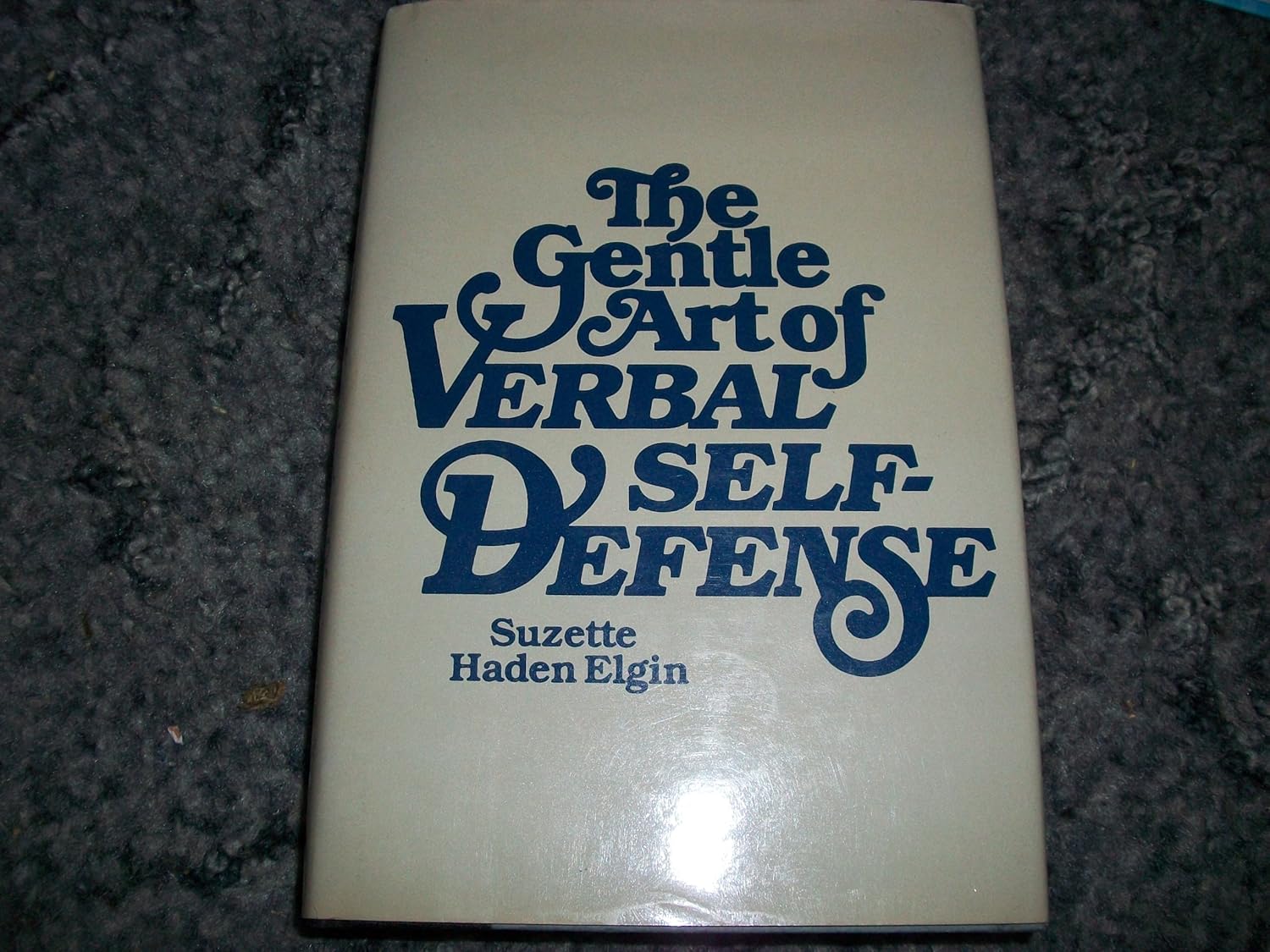
Book cover for The Gentle Art of Verbal Self-Defense.

Master the Art of Verbal Self-Defense

The techniques discussed are powerful tools for reclaiming your psychological space. To dive deeper into mastering communication that protects and empowers you, we highly recommend “The Gentle Art of Verbal Self-Defense” by Suzette Haden Elgin.

Purchase on Amazon

Part II: The Bullying Ecosystem and How to Prevent Bullying

Bullying is rarely just a problem between two people. Effective bullying prevention requires looking at the whole environment—the “ecosystem”—where the harassment occurs. The culture, the leaders, and the bystanders all play a part.

Gender Dynamics in Bullying

Research shows distinct patterns in how different genders tend to employ bullying tactics.

The Bystander’s Role in Bullying

Inaction empowers the bully. This chart shows common reasons bystanders fail to act.

Part III: The Damage, Healing, and a Better Future

The Escalation from Words to Physical Aggression

Bullying is not just “words.” Unchecked psychological abuse is a major red flag for physical violence. Understanding this progression is key to de-escalation and how to stop bullying.

Level 1: Verbal

Intimidation, insults, “jokes.”

Level 2: Threats

Veiled or direct threats to person or property.

Level 3: Physical

Assault, property damage.

True self-defense begins with recognizing and diffusing a threat before it ever becomes a physical confrontation.

The Lasting Scars: The Impact of Bullying

Increased Mental Health Risks for Targets
40%+

of bullied girls show clinical symptoms of PTSD.

2x

higher risk of depression in adulthood for bullied individuals.

Frequently Asked Questions About Dealing with Bullies

1. What’s the difference between bullying and just being mean?

The key differences are repetition and a power imbalance. Being mean might be a one-time rude comment. Bullying is a pattern of behavior that happens over and over again.

2. How do I deal with a bully who is my boss?

Dealing with workplace bullying is difficult. Your safety comes first. Start by documenting everything in detail: dates, times, what was said, and who was there. This creates a record.

3. Why doesn’t just “ignoring the bully” work?

Many bullies are motivated by getting a reaction and demonstrating power. Silence can be seen as weakness or even approval, which can encourage them to continue or even escalate their behavior.

4. I’m a bystander and want to help, but I’m scared. What’s the safest thing to do?

Try one of the “4 D’s”: Distract the situation, Delegate by getting a manager, or Delay by checking in with the person afterward.

5. Can people who bully actually change?

Change is possible, but it requires the person to genuinely want to change. For some, change only happens when they face real consequences for their actions.

Go Beyond Physical Techniques

This post covers the 20% (the types). My 10-Week Personal Safety Mentorship covers the 80%—the mindset, awareness, and de-escalation that prevents the fight from ever happening.

© 2025 The Other Way Martial Consulting. All rights reserved.

Disclaimer: The information provided in this blog post is for educational and informational purposes only and is not intended as a substitute for professional medical, psychological, or legal advice.

Affiliate Disclosure: This post contains affiliate links. If you use these links to buy something, we may earn a commission. Thank you for your support.

Infographic: How to Keep Your Information Safe Online

How to Keep Your Information Safe Online

A simple guide to understanding and fighting digital bad guys.

The Huge Cost of Online Crime

$10.5 Trillion

Online crime costs a crazy amount of money – about $10.5 TRILLION by 2025. That’s like taking money from everyone’s pockets!

How Cybercrime Money Grows (in Trillions of Dollars)

Bad guys online are stealing more and more money each year. It’s growing super fast!

Money Lost by People of Different Ages (2024)

Sadly, older people lose the most money to online criminals. Everyone needs to be careful!

Who Are the Online Bad Guys?

👑

Big Government Hackers

These are super-smart hackers working for other countries. They want to steal secrets or mess up important things like power plants.

💰

Cyber Gangs

These are like real gangs, but they operate online. They want to steal your money, lock your computer until you pay them, or steal company secrets. They are very organized.

🎭

Online Protesters

These hackers want to make a point about something they believe in. They might make websites slow down to get attention.

🕵️

Angry Employees

Sometimes, people who used to work at a company (or still do) might steal information because they’re mad or want money. They already know how things work inside!

💻

Regular Hackers

These are people who hack for fun, to show off, or to get a little money. They often use tools that other, smarter hackers made.

🤷

Oops! Accidents

Sometimes, people just make mistakes, like leaving private information where everyone can see it. These accidents can be just as bad as a hacker attack.

🛡️ HACKERS RELY ON YOUR IGNORANCE

Defense relies on your knowledge. In the Mentorship, we teach you how to harden your digital life so you stop being an easy target.

➤ Harden Your Digital Defenses

How They Attack You

Top Online Crimes People Report (2024)

Many people get tricked by fake emails, messages, or websites. It shows that being careful with your *online personal information* is super important!

Their Sneaky Plan to Attack You

Sometimes, bad guys use a trick to make you look one way while they do something else sneaky.

1

Step 1: Make Noise

They might make your internet super slow or crash a website to get everyone’s attention.

2

Step 2: Sneak In

While you’re distracted, they quietly sneak into your computer or online accounts.

3

Step 3: Steal Your Stuff

Once they’re in, they can steal your private pictures, passwords, or other personal details from your online accounts. They might even lock your computer until you pay them.

🔍 ATTACKS ARE CALCULATED. NOT RANDOM.

They look for holes in your armor. Learn “The Audit”—a systematic way to find your vulnerabilities before they do.

➤ Spot The Setup

How to Stay Safe Online

Keeping yourself safe online is like building a strong fort. You need different layers of protection.

🛡️

Simple Steps to Stay Safe Online

  • Strong Passwords & Extra Locks: Use long, weird passwords for every online account. And turn on ‘Multi-Factor Authentication’.
  • Update Your Stuff: Always update your phone, computer, and apps.
  • Antivirus & Firewalls: Use special software that fights off viruses.
  • Safe WiFi: Make sure your home WiFi has a password.
  • Lock Up Your Data: Make sure your private information is scrambled (encrypted).
  • Think Before You Share: Be careful what you post about yourself online.
  • Check Privacy Settings: Make sure only people you trust can see your information.
⚙️

How Companies Help Keep You Safe

  • Backup Your Files: Companies keep copies of your important files safely.
  • Emergency Plan: Companies have plans for what to do if they get attacked.
  • Email Guards: Companies use tools to stop fake emails.
  • Check for Weak Spots: Companies regularly look for weak spots.
  • Only Give Access When Needed: Limit who sees information.
🧠

Being Smart Online

  • Learn & Be Aware: Learn about new tricks bad guys use.
  • Don’t Click on Weird Stuff: If an email or text looks suspicious, don’t click.
  • Report Anything Strange: If you see something weird online, tell someone!

Your Top Questions About Online Safety

What is “personal information” online?

This includes your name, home address, phone number, email, birthday, and even things you post about yourself on social media. It’s anything that can be used to identify you.

How do bad guys get my information?

They often trick you with fake emails (called phishing), get into websites or companies that have your info, or even buy your details from special companies that collect them.

What is a “data broker”?

A data broker is a company that collects and sells your personal information (like your address, phone number, and interests) to other businesses or people, often without you even knowing they have it.

Why is it bad if my info is online?

If your personal information is easily found online, it can lead to problems like identity theft (where someone pretends to be you), annoying scams, or even people finding out where you live.

What’s the easiest way to protect myself?

The simplest ways are to use very strong and different passwords for all your online accounts, turn on extra security (like a code sent to your phone when you log in), and always be careful about what you click on or share online.

Our Community’s Peace of Mind

People who take steps to protect their online information often experience these benefits:

Increased Safety

Feeling more secure knowing your personal data is less exposed.

Fewer Annoying Calls

Less spam, telemarketing, and unwanted contact from unknown sources.

Reduced Identity Theft Risk

Making it harder for criminals to steal your identity.

Better Control

Taking charge of what personal details are available online.

More Peace of Mind

Feeling calmer and more confident about your online privacy.

Less Targeted Ads

Receiving fewer ads based on your private online activities.

Over 90% of users report increased peace of mind after data removal.

Go Beyond Physical Techniques

This post covers the 20% (the digital tools). My 10-Week Personal Safety Mentorship covers the 80%—the mindset, awareness, and de-escalation that prevents the fight from ever happening.

Disclaimer: This content is for informational purposes only and not legal advice.

© 2025 The Other Way Martial Consulting. All rights reserved.

https://theotherway.biz

threats, and discover how to remove your data from the internet.”>

How to Keep Your Information Safe Online

A simple guide to understanding and fighting digital bad guys.

The Huge Cost of Online Crime

$10.5 Trillion

Online crime costs a crazy amount of money – about $10.5 TRILLION by 2025. That’s like taking money from everyone’s pockets!

How Cybercrime Money Grows (in Trillions of Dollars)

Bad guys online are stealing more and more money each year. It’s growing super fast!

Money Lost by People of Different Ages (2024)

Sadly, older people lose the most money to online criminals. Everyone needs to be careful!

Who Are the Online Bad Guys?

👑

Big Government Hackers

These are super-smart hackers working for other countries. They want to steal secrets or mess up important things like power plants.

💰

Cyber Gangs

These are like real gangs, but they operate online. They want to steal your money, lock your computer until you pay them, or steal company secrets. They are very organized.

🎭

Online Protesters

These hackers want to make a point about something they believe in. They might make websites slow down to get attention.

🕵️

Angry Employees

Sometimes, people who used to work at a company (or still do) might steal information because they’re mad or want money. They already know how things work inside!

💻

Regular Hackers

These are people who hack for fun, to show off, or to get a little money. They often use tools that other, smarter hackers made.

🤷

Oops! Accidents

Sometimes, people just make mistakes, like leaving private information where everyone can see it. These accidents can be just as bad as a hacker attack.

How They Attack You

Top Online Crimes People Report (2024)

Many people get tricked by fake emails, messages, or websites. It shows that being careful with your *online personal information* is super important!

Their Sneaky Plan to Attack You

Sometimes, bad guys use a trick to make you look one way while they do something else sneaky.

1

Step 1: Make Noise

They might make your internet super slow or crash a website to get everyone’s attention.

2

Step 2: Sneak In

While you’re distracted, they quietly sneak into your computer or online accounts.

3

Step 3: Steal Your Stuff

Once they’re in, they can steal your private pictures, passwords, or other personal details from your online accounts. They might even lock your computer until you pay them.

How to Stay Safe Online

Keeping yourself safe online is like building a strong fort. You need different layers of protection.

🛡️

Simple Steps to Stay Safe Online

  • Strong Passwords & Extra Locks: Use long, weird passwords for every online account. And turn on ‘Multi-Factor Authentication’ – it’s like a second lock, often a code sent to your phone.
  • Update Your Stuff: Always update your phone, computer, and apps. Updates fix holes that bad guys can sneak through.
  • Antivirus & Firewalls: Use special software that fights off viruses and acts like a guard for your internet connection.
  • Safe WiFi: Make sure your home WiFi has a password, and don’t use public WiFi for important things like banking unless you use a special tool called a VPN.
  • Lock Up Your Data: Make sure your private information is scrambled (encrypted) so no one else can read it.
  • Think Before You Share: Be careful what you post about yourself online, like on social media. Don’t share too much personal stuff like your full birthday, address, or phone number with just anyone.
  • Check Privacy Settings: On social media and other apps, look at your privacy settings. Make sure only people you trust can see your information.
  • Be Smart About Quizzes & Games: Some online quizzes or games ask for a lot of personal details. Be careful, as these can sometimes be tricks to get your information.
⚙️

How Companies Help Keep You Safe

  • Backup Your Files: Companies keep copies of your important files in a safe place.
  • Emergency Plan: Companies have plans for what to do if they get attacked.
  • Email Guards: Companies use tools to stop fake emails from reaching you.
  • Check for Weak Spots: Companies regularly look for weak spots in their systems to fix them.
  • Only Give Access When Needed: Companies make sure only certain people can see certain information.
🧠

Being Smart Online

  • Learn & Be Aware: Learn about new tricks bad guys use. Watch out for strange emails, messages, or websites that ask for your info.
  • Don’t Click on Weird Stuff: If an email, text, or pop-up looks suspicious, don’t click on links, open attachments, or type in your personal info.
  • Report Anything Strange: If you see something weird online, tell someone!

Your Top Questions About Online Safety

What is “personal information” online?

This includes your name, home address, phone number, email, birthday, and even things you post about yourself on social media. It’s anything that can be used to identify you.

How do bad guys get my information?

They often trick you with fake emails (called phishing), get into websites or companies that have your info, or even buy your details from special companies that collect them.

What is a “data broker”?

A data broker is a company that collects and sells your personal information (like your address, phone number, and interests) to other businesses or people, often without you even knowing they have it.

Why is it bad if my info is online?

If your personal information is easily found online, it can lead to problems like identity theft (where someone pretends to be you), annoying scams, or even people finding out where you live.

What’s the easiest way to protect myself?

The simplest ways are to use very strong and different passwords for all your online accounts, turn on extra security (like a code sent to your phone when you log in), and always be careful about what you click on or share online.

Our Community’s Peace of Mind

People who take steps to protect their online information often experience these benefits:

Increased Safety

Feeling more secure knowing your personal data is less exposed.

Fewer Annoying Calls & Emails

Less spam, telemarketing, and unwanted contact from unknown sources.

Reduced Risk of Identity Theft

Making it harder for criminals to steal your identity.

Better Control Over Your Info

Taking charge of what personal details are available online.

More Peace of Mind

Feeling calmer and more confident about your online privacy.

Less Targeted Advertising

Receiving fewer ads based on your private online activities.

Over 90% of users report increased peace of mind after data removal.

Your Personal Information is Out There. We Can Help.

Even with the best online safety habits, your personal information might already be floating around on the internet, collected by companies called “data brokers.” These companies gather and sell your data to others.

Opterly helps you take back control. We work to remove your personal information from these data brokers, making it harder for bad guys to find and use your details.

Learn How Opterly Can Protect You

Disclaimer: This content is for informational purposes only and not legal advice.

Affiliate Disclosure: This page contains affiliate links to Opterly. We may earn a commission if you make a purchase through these links.

© 2025 The Other Way Martial Consulting. All rights reserved.

https://theotherway.biz

🎧 Listen to Crisis Recovery – S2E13

Tune in to this episode for key insights on Crisis Recovery strategies.

What Does Surviving an Attack Really Mean?

Person at computer discovering cyber attack damage | Surviving an Attack

Surviving an attack means transforming crisis into opportunity through strategic response and mental resilience. Whether facing cyber attacks, business disruptions, or personal setbacks, survival requires more than damage control. Instead, it demands a complete transformation of how you view crisis management itself.

The Moment Everything Changed

Just recently, I experienced something that shattered my world without warning. Picture this: You wake up, grab your morning coffee, and discover that everything you’ve built – gone. Vanished. Moreover, it’s been obliterated by forces beyond your control. You are now in survival mode, facing a devastating attack.

Not Your Typical Security Incident

This wasn’t a physical confrontation that leaves visible bruises. Furthermore, it wasn’t psychological warfare that you can identify and counter. Instead, this was something far more dangerous – a sophisticated cyber attack that targeted my digital infrastructure.

The attack didn’t just damage my website. Rather, it demolished my entire digital existence in hours, creating a complete business continuity crisis.

The Scale of Digital Destruction

The devastation was complete. Twenty-four hours of digital darkness followed. Additionally, content I’d crafted over months – erased. Systems I’d carefully built – corrupted. Moreover, revenue streams – severed instantly.

Standing in the wreckage of my thriving online presence, I felt helplessness creep up my spine. However, this is where despair transforms into something far more powerful through crisis management principles.

The Martial Arts Framework for Crisis Recovery

Instead of surrendering to that devastating blow, something clicked. Years of studying martial arts hadn’t just taught me physical techniques. Rather, they’d forged mental frameworks for exactly this moment. When everything external crumbles, you discover your true adaptive capacity inside.

Ancient warrior statue symbolizing inner strength | Surviving an Attack

The ancient warriors knew this truth: every devastating attack contains seeds of unprecedented comeback. Furthermore, every moment of seeming defeat becomes the foundation for extraordinary victory through strategic incident response.

You don’t have to wait for a crisis to build your armor. The Kyo-Jitsu Ryu system is designed to give you that mental framework before the attack happens. LOOK INTO THE PERSONAL SAFETY MENTORSHIP and master your future.

How Crisis Becomes Competitive Advantage

Within hours, I wasn’t just responding to the attack. Instead, I was turning it into fuel for organizational resilience. What should have been my worst day became the catalyst for building something stronger. Additionally, it became smarter and more resilient than I’d ever imagined possible.

The next day? My site didn’t just return – it came back transformed. Better security protocols, improved content strategy, stronger systems architecture followed. Moreover, a story of resilience that resonated with thousands of people facing their own business continuity challenges.

That cyber attack didn’t break me. Rather, it broke me open to possibilities I never would have discovered through traditional business planning alone.

Whether your attack comes through digital channels or life’s unexpected disruptions, ancient martial arts wisdom provides a proven crisis management roadmap. Furthermore, it’s designed not just for surviving, but for emerging stronger than your competitors expect.


The Reality of Modern Attack Vectors

Cybersecurity threat visualization with various attack types | Surviving an Attack

What Are the Most Common Types of Attacks Today?

Today’s threats come in multiple forms, requiring comprehensive incident response planning. Cyber criminals target our digital infrastructure with increasingly sophisticated attack vectors. According to recent cybersecurity reports, security incidents have increased by 38% in 2024 alone. Consequently, they affect businesses and individuals worldwide through various threat landscapes.

Personal and Professional Attack Scenarios

Business Continuity Threats:

  • Cyber attacks and data breaches
  • Ransomware and malware infections
  • Supply chain disruptions
  • Economic downturns and market crashes

Personal Crisis Management Situations:

  • Career setbacks and professional reputation attacks
  • Relationship breakdowns and trust violations
  • Health challenges and medical emergencies
  • Financial difficulties and economic hardship

Similarly, professional challenges blindside our careers through unexpected organizational changes. The common thread isn’t the type of attack vector. Rather, it’s how we apply crisis management principles that determines whether we become victims or survivors.

Ancient Wisdom for Modern Crisis Management

“In the midst of chaos, there is also opportunity.”
— Sun Tzu, The Art of War

This principle became my lifeline during those dark hours when everything seemed lost. Furthermore, it’s the foundation for building unshakeable organizational resilience in an unpredictable business environment.


The Three Pillars of Crisis Recovery

Three pillars diagram showing martial arts crisis management principles | Surviving an Attack

How Do Martial Arts Principles Apply to Modern Crisis Management?

Pillar 1: Movement Over Paralysis in Crisis Response

When facing any attack vector, your first instinct might be to freeze. Additionally, you might assess damage extensively or worse – spiral into analysis paralysis. This is exactly what attackers count on. Moreover, paralysis transforms you from a target into a victim during critical incident response windows.

The martial arts teach us that movement creates options during crisis management situations. Even imperfect action beats perfect inaction every time. During my cyber crisis, instead of wallowing in what went wrong, I immediately began documenting what needed rebuilding through systematic incident response protocols.

The Bruce Lee Philosophy in Business Continuity

“I fear not the man who has practiced 10,000 kicks once. However, I fear the man who has practiced one kick 10,000 times.”
— Bruce Lee

Fear causes hesitation. Training causes action. In the mentorship, we install the ‘IF Filter’—a logic tree that eliminates freezing when it matters most. LEARN TO MASTER YOUR FEAR WITH OUR PERSONAL SAFETY MENTORSHIP When you master yourself, you master your environment and your safety.

Your ability to survive any attack improves dramatically when you’ve rehearsed your crisis response protocols. Furthermore, practice makes incident response become instinctive through organizational muscle memory.

Real-World Crisis Management Application: Sarah, a small business owner, faced a similar cyber attack. The ransomware attack destroyed her customer database and disrupted business operations. Instead of panicking, she immediately activated her business continuity plan and contacted every client personally. Consequently, she turned the crisis into an opportunity to strengthen customer relationships and improve her organizational resilience. Her business grew 40% within six months through enhanced crisis management capabilities.

Crisis Management Tools for Movement Over Paralysis:

  • Incident response checklists and protocols
  • Emergency communication systems
  • Business continuity planning software
  • Crisis management dashboards and monitoring tools

Surviving an attack requires immediate, purposeful movement through proven crisis management methodologies.

Pillar 2: Indirect Approach to Crisis Management

Martial artist demonstrating defensive strategy | Surviving an Attack

Charging headfirst into problems rarely works in martial arts or organizational crisis management. Instead, successful incident response requires moving toward the threat while maintaining tactical advantage through strategic planning.

The Strategic Pivot in Business Continuity

When my site went down, I couldn’t magically restore everything instantly through traditional incident response methods. Instead, I pivoted to serve my community differently through alternative channels. I created an “Under Construction” page that served multiple business continuity purposes. Rather than hiding from the attack, I used it as an opportunity to build anticipation for something better while maintaining organizational transparency.

This indirect approach accomplished multiple crisis management goals. First, it kept stakeholders informed during the incident response phase. Second, it maintained transparency throughout the business continuity process. Third, it created accountability through a public commitment to return stronger within a reasonable timeframe.

Training Your Crisis Response Capabilities

“The way is in training.”
— Miyamoto Musashi

Training your response to crisis means developing the organizational muscle memory to act, not react during critical incidents. Additionally, it means having multiple pathways to your business objectives prepared through comprehensive business continuity planning.

Crisis Management Software and Tools:

  • Business continuity planning platforms
  • Incident response management systems
  • Emergency notification services
  • Crisis communication tools
  • Backup and disaster recovery solutions

Sometimes the best crisis management strategy is making your recovery process part of your organizational strength narrative.

Pillar 3: Face the Threat With Confidence

Person standing confidently facing a challenge | Surviving an Attack

What Should You Do When Crisis Management Fails?

The final principle involves the hardest part of surviving any attack vector. Specifically, it’s acknowledging what happened without becoming defined by the incident. Many organizations try to hide crisis situations, pretending their business continuity wasn’t affected. However, this approach fails because it gives the attack continued power over your organizational resilience.

The Power of Transparent Crisis Management

Instead, martial arts teach us to face threats directly while maintaining composure during incident response. Yes, I was attacked. Yes, it caused significant business disruption. However, I am not a victim of poor crisis management.

This mindset shift transforms crisis into competitive advantage through strategic organizational resilience. Furthermore, every attack teaches valuable lessons about vulnerability assessment, incident response preparation, and business continuity planning. Consequently, these lessons make future crisis management capabilities stronger.

Strategic Wisdom in Organizational Resilience

“He who knows when to fight and when not to fight will be victorious.”
— Sun Tzu, The Art of War

Your ability to survive any attack improves dramatically when you’ve developed wisdom through crisis management experience. Furthermore, you learn to choose your battles strategically during complex incident response scenarios.

Crisis Management Assessment Tools:

  • Risk assessment frameworks
  • Vulnerability scanning services
  • Business impact analysis tools
  • Crisis management maturity assessments

Tell Me How to Recover From a Cyber Attack: Quick Start Guide

Emergency response checklist infographic | Surviving an Attack

What Should I Do Immediately After an Attack?

When surviving any attack vector, follow this proven incident response sequence:

Assessment Phase:

  • Quickly evaluate damage without dwelling on losses during initial crisis management
  • Focus on what systems still work, not what’s broken during business continuity assessment
  • Document the scope of impact for strategic incident response planning

Additionally, avoid panic during this crucial first phase of crisis management.

Action Phase:

  • Take one concrete step forward through your incident response protocol, no matter how small
  • Movement breaks the victim mindset and restores agency during crisis management
  • Contact your support network immediately using emergency communication systems

Furthermore, document every action you take for future crisis management reference and organizational learning.

Communication Phase:

  • Inform relevant stakeholders about the situation honestly through crisis communication channels
  • Transparency builds trust and often reveals unexpected support during incident response
  • Set realistic expectations for recovery timeline through business continuity planning

Moreover, prepare a brief statement explaining the situation to key stakeholders during crisis management.


Long-term Organizational Resilience Strategy

Recovery timeline visualization | Surviving an Attack

How Long Does Crisis Recovery Take?

Recovery timelines vary based on attack severity and organizational resilience capabilities. However, most businesses see initial stabilization within the first week when following proven crisis management protocols.

Strengthening Your Crisis Management Defenses

Every attack reveals weak points in your organizational resilience. Additionally, you can use this intelligence to build better protection systems through enhanced incident response capabilities. In contrast to reactive measures, proactive crisis management planning prevents future vulnerabilities through systematic business continuity preparation.

“Fall down seven times, stand up eight.”
— Japanese Proverb (often attributed to samurai philosophy)

This ancient wisdom perfectly captures the essence of surviving any attack through organizational resilience. Furthermore, it’s not about avoiding all business disruption, but about developing crisis management capabilities. Consequently, you bounce back stronger each time through improved incident response protocols.

Building Systematic Business Continuity

Develop multiple backup plans and recovery procedures through comprehensive crisis management frameworks. Moreover, redundancy prevents single points of failure during critical incident response situations. Furthermore, cross-training in multiple skills creates options when primary business continuity pathways are blocked.

Essential Crisis Management and Business Continuity Tools:

  • Automated backup solutions and disaster recovery services
  • Business continuity planning software and incident response platforms
  • Crisis communication systems and emergency notification tools
  • Risk assessment frameworks and vulnerability management solutions
  • Insurance and financial recovery products for business protection

Learning Integration Process

Document lessons learned and integrate them into standard crisis management procedures. Additionally, make your attack experience valuable to others through organizational knowledge sharing. Therefore, share insights and create resources for fellow business leaders facing similar incident response challenges.


The Psychology of Crisis Management and Organizational Resilience

Brain and heart balance illustration | Surviving an Attack

How Do You Maintain Mental Strength During Crisis?

Crisis recovery isn’t just about fixing technical systems through incident response protocols. Rather, it’s about rebuilding confidence and maintaining forward momentum during extended business continuity challenges. The psychological dimension of crisis management often determines success more than technical solutions alone.

Finding Alternative Paths During Business Disruption

“You must understand that there is more than one path to the top of the mountain.”
— Miyamoto Musashi

When your primary business model gets disrupted, surviving an attack means finding alternative routes to your objectives through creative crisis management. Additionally, it means maintaining faith in your organizational resilience capabilities. Therefore, temporary setbacks don’t define your long-term business continuity success.

The Strategic Pivot Point in Crisis Management

This perspective transforms crisis from devastating setback into strategic pivot point through enhanced organizational resilience. Instead of returning to exactly where you were, you emerge in a stronger competitive position. Furthermore, you’re better prepared than before the attack occurred through improved crisis management capabilities.

Mental Health and Crisis Management Resources:

  • Executive coaching and crisis leadership development
  • Employee assistance programs and organizational support services
  • Stress management and resilience training programs
  • Mental health resources and counseling services for crisis situations

Modern Applications: Industry-Specific Crisis Management

Various life scenarios showing different types of attacks | Surviving an Attack

How Do These Principles Apply to Different Industries?

These martial arts crisis management principles apply beyond cyber attacks to any organizational disruption:

Healthcare Crisis Management and Business Continuity

Healthcare organizations face unique incident response challenges including patient data breaches, medical equipment failures, and regulatory compliance issues. Furthermore, healthcare crisis management requires specialized business continuity planning for life-critical systems.

Healthcare-Specific Crisis Management Tools:

  • HIPAA-compliant incident response platforms
  • Medical device security solutions
  • Patient communication systems for crisis situations
  • Healthcare business continuity planning software

Financial Services Crisis Management

Financial institutions must address cyber attacks, regulatory violations, market disruptions, and customer trust issues through comprehensive incident response protocols. Moreover, financial crisis management requires specialized organizational resilience for economic volatility.

Financial Services Crisis Management Solutions:

  • Regulatory compliance monitoring systems
  • Financial risk assessment platforms
  • Customer communication tools for crisis management
  • Banking business continuity solutions

Education Sector Crisis Management

Educational institutions face cyber attacks on student data, campus safety incidents, and remote learning disruptions requiring specialized incident response capabilities. Additionally, education crisis management must address both digital and physical security concerns.

Career Setbacks and Professional Crisis Management

When professional attacks damage your reputation, immediate action demonstrates organizational resilience while indirect approaches rebuild credibility through consistent performance. Moreover, facing career challenges with confidence often leads to better opportunities through enhanced crisis management skills.

Personal Relationship Crisis Management

Surviving an attack on trust requires acknowledging damage through honest crisis communication. Additionally, it means taking responsibility where appropriate during incident response. Furthermore, you must consistently demonstrate changed behavior through improved organizational resilience. In contrast to defensive reactions, vulnerable honesty often strengthens bonds through authentic crisis management.

Financial Crisis Management and Business Continuity

Economic attacks demand quick assessment through systematic incident response protocols. Moreover, they require creative resource management and transparent communication with stakeholders during crisis management. Furthermore, financial recovery often reveals hidden strengths through enhanced organizational resilience. Consequently, it opens alternative income sources through improved business continuity planning.

Health Challenge Crisis Management

Medical crises respond well to proactive treatment approaches through systematic incident response planning. Additionally, seeking multiple expert opinions helps during health crisis management. Furthermore, maintaining positive momentum through small daily improvements works during extended recovery periods. Moreover, health attacks often catalyze lifestyle improvements through enhanced personal resilience. Therefore, they prevent future problems through better crisis management preparation.

The Deception of Crisis Through Strategic Response

“All warfare is based on deception.”
— Sun Tzu, The Art of War

Sometimes surviving an attack means deceiving the crisis itself through strategic crisis management. Furthermore, you refuse to accept its power over your future through enhanced organizational resilience. Therefore, you take consistent positive action despite current circumstances through proven incident response methodologies.


What Are the Signs Your Recovery Strategy Is Working?

A diagram depicting mind-set transformation | Surviving an Attack

The Survivor’s Mindset in Crisis Management

Surviving an attack ultimately comes down to organizational identity and crisis management culture. Do you see yourself as someone things happen to? Or are you someone who shapes outcomes despite challenging circumstances through strategic incident response and business continuity planning?

The Prayer for Organizational Strength

“Do not pray for easy lives. Pray to be stronger men.”
— John F. Kennedy (inspired by martial philosophy)

The goal isn’t to avoid all business disruption through perfect crisis management. Rather, it’s to build the organizational strength and wisdom to handle whatever comes your way through enhanced incident response capabilities.

The Promise of Martial Arts Crisis Management

The martial arts don’t promise you’ll never face attacks or business disruption. Instead, they promise you’ll develop the skills, mindset, and organizational resilience to emerge stronger. Furthermore, this applies to whatever challenges arise through comprehensive crisis management preparation.

Supreme Excellence in Crisis Management

“Supreme excellence consists of breaking the enemy’s resistance without fighting.”
— Sun Tzu, The Art of War

Sometimes the greatest victory in surviving an attack is refusing to let it define your organizational story through strategic crisis management. Moreover, you write your own comeback narrative through enhanced business continuity capabilities.


Crisis Recovery Progress Tracker

Progress tracking chart with milestones | Surviving an Attack

Week 1 Crisis Management Milestones:

  • [ ] Immediate damage assessment completed through incident response protocols
  • [ ] Support network activated using crisis communication systems
  • [ ] First recovery action taken following business continuity plans
  • [ ] Communication plan implemented across all stakeholder channels

Furthermore, document everything during this critical first week of crisis management.

Month 1 Business Continuity Benchmarks:

  • [ ] Critical systems restored through incident response procedures
  • [ ] New security measures implemented following crisis management assessment
  • [ ] Lessons documented in organizational knowledge management systems
  • [ ] Strength narrative developed for stakeholder crisis communication

Additionally, celebrate small wins during this rebuilding phase of organizational resilience.

Month 3 Organizational Resilience Success Metrics:

  • [ ] Performance exceeds pre-attack levels through enhanced crisis management
  • [ ] Resilience systems tested using business continuity protocols
  • [ ] Community support strengthened through transparent crisis communication
  • [ ] Growth opportunities identified through strategic incident response analysis

Moreover, use this milestone to plan your next phase of organizational growth through improved crisis management capabilities.


Crisis Prevention and Business Continuity Resources

Prevention strategies infographic | Surviving an Attack

When Should You Seek Professional Crisis Support?

Professional crisis management support becomes essential when facing complex organizational challenges beyond internal incident response capabilities.

Before an Attack Occurs – Proactive Crisis Management:

  • Develop comprehensive backup systems through business continuity planning
  • Build your crisis response team with specialized incident response training
  • Create emergency communication protocols for stakeholder crisis management
  • Practice recovery scenarios regularly through organizational resilience exercises

Furthermore, prevention through systematic crisis management is always better than reactive incident response.

Support Networks and Crisis Management Services:

  • Crisis management consulting and incident response specialists
  • Professional recovery consultants and business continuity experts
  • Peer support groups and industry crisis management forums
  • Mental health resources and executive coaching for crisis leadership

Additionally, build these crisis management networks before you need them during actual incident response situations.

Crisis Management Software and Technology Solutions:

  • Incident Response Platforms: Comprehensive crisis management dashboards and workflow systems
  • Business Continuity Software: Planning, testing, and maintenance tools for organizational resilience
  • Emergency Communication Systems: Mass notification and stakeholder crisis communication platforms
  • Backup and Recovery Solutions: Automated data protection and disaster recovery services
  • Security Assessment Tools: Vulnerability scanning and risk assessment platforms for proactive crisis management

Your Next Steps – Building Organizational Resilience

Action steps road map | Surviving an Attack

Tell Me What I Should Do Right Now

Crisis management preparation isn’t paranoia – it’s strategic business planning. Therefore, start building your organizational resilience toolkit before you need it during actual incident response situations:

Immediate Crisis Management Actions:

  • Develop rapid incident response protocols for your most vulnerable business areas
  • Practice recovery procedures when stakes are low through crisis management simulations
  • Build support networks before crisis hits through proactive relationship management
  • Document lessons from small setbacks to prepare for larger organizational challenges

Furthermore, small preparations today through systematic crisis management prevent major disasters tomorrow during actual incident response scenarios.

Long-term Organizational Resilience Development:

  • Study martial arts principles for mental resilience and crisis management mindset
  • Create multiple income streams for financial security through diversified business continuity planning
  • Build redundant systems in all critical areas following comprehensive incident response protocols
  • Develop crisis leadership skills for effective organizational crisis management

Additionally, think of organizational resilience as a skill that improves with practice through continuous crisis management development.

Crisis Management Investment Recommendations:

  • Essential Business Continuity Tools: Backup solutions, communication systems, incident response platforms
  • Crisis Management Training: Leadership development, team coordination, stakeholder communication skills
  • Professional Services: Crisis management consultants, incident response specialists, business continuity experts
  • Insurance and Protection: Cyber liability coverage, business interruption insurance, professional liability protection

The Final Truth About Crisis Management

Remember, surviving an attack isn’t about avoiding all business disruption through perfect crisis management. Rather, it’s about recovering faster and stronger than competitors expect possible through superior organizational resilience and incident response capabilities.

The next time your organization faces a crisis, you’ll be ready to turn it into a competitive advantage story. Moreover, you’ll inspire others with your organizational resilience and crisis management excellence.

Real safety isn’t about fighting; it’s about Information Dominance. Learn to audit your beliefs and control your environment so you never have to recover from a crisis again. OUR PERSONAL SAFETY MENTORSHIP PROGRAM teaches that personal safety isn’t about recovery, it’s about preparation. Check it out RIGHT NOW.


Frequently Asked Questions About Crisis Management

FAQ illustration with question marks | Surviving an Attack

Common Questions About Attack Recovery and Crisis Management

Q: What types of attacks can these martial arts crisis management principles help with?

A: These crisis management principles apply to cyber attacks, business disruptions, career setbacks, personal relationship breakdowns, financial difficulties, health challenges, and any organizational crisis situation. Furthermore, they work for any situation where you need to recover and rebuild stronger through enhanced incident response and business continuity capabilities.

Q: How quickly can I expect to recover using these crisis management methods?

A: Crisis recovery timeline varies by situation severity and organizational resilience capabilities. However, the immediate incident response protocol can be implemented within hours of attack detection. Additionally, long-term business continuity building is an ongoing process that strengthens organizational resilience over time. Moreover, most organizations see initial crisis management progress within the first week when following proven protocols.

Q: Do I need martial arts experience to use these crisis management principles?

A: No martial arts background is required for effective crisis management implementation. Rather, these are mental frameworks and strategic approaches that any organization can learn through systematic training. Furthermore, they can be applied to various crisis situations through adaptable incident response protocols. The crisis management principles are specifically adapted for modern business challenges and organizational resilience building.

Q: What if my attack is still ongoing and crisis management isn’t working?

A: Focus on the Movement Over Paralysis principle first during active incident response situations. Therefore, take immediate protective action while simultaneously planning your recovery strategy through established crisis management protocols. Additionally, document everything and activate your support network immediately using emergency communication systems. Furthermore, consider engaging professional crisis management consultants for complex or extended incident response scenarios.

Q: What crisis management tools do you recommend for small businesses?

A: Essential crisis management tools for small businesses include automated backup solutions, business continuity planning software, emergency communication systems, and basic incident response platforms. Moreover, many cloud-based crisis management services offer affordable solutions specifically designed for small business organizational resilience needs.

Q: How do I know if my crisis management strategy is effective?

A: Effective crisis management strategies show measurable results including faster incident response times, reduced business disruption duration, improved stakeholder communication, and enhanced organizational resilience over time. Furthermore, regular crisis management testing and business continuity exercises help validate your preparation effectiveness.

Q: When should I hire professional crisis management consultants?

A: Professional crisis management support becomes essential for complex organizational challenges, regulatory compliance issues, large-scale business disruptions, or when internal incident response capabilities are insufficient. Additionally, proactive crisis management consulting helps build organizational resilience before actual crisis situations occur.


Disclaimer: The information provided in this article is for educational purposes only and should not be considered as professional security, legal, crisis management, or business continuity advice. Always consult with qualified professionals for specific situations requiring expert guidance in incident response, organizational resilience, or crisis management planning.

Affiliate Disclosure: This article may contain affiliate links to crisis management products and services that support the principles discussed. If you purchase through these links, we may earn a commission at no additional cost to you. We only recommend crisis management tools and business continuity solutions we genuinely believe can help with organizational resilience and incident response preparation.

A man stands with straight, balanced posture in the center of a wet city street at night. He is wearing a dark jacket and boots, calmly looking out at his surroundings. The crowd of people walking past him is blurred by motion. Warm streetlights reflect off the damp pavement, with city buildings and trees under a dark sky in the background.

Target Hardening: 4 Simple Ways to Prevent Attacks on the Street

Predators look for easy targets. You can make yourself look like too much work by standing tall, paying attention, and keeping your balance. Learn the four simple physical changes that help you stay safe on the street.

A man stands with a balanced and upright posture in the center of a busy, blurred urban plaza at night. His calm presence creates a natural radius of clear space as the crowd flows around him. In the background, he monitors an individual moving erratically against the rhythm of the crowd, demonstrating active data collection and situational control.

How to Stop Being a Target: Mastering Situational Awareness

Situational awareness is a state of active data collection, not a reaction based on fear. Learn the 4 structural fixes to project presence, control your proximity, and map your exits effectively to ensure your own safety.

A man stands at a gas station at dusk, leaning with his back against a black car and his hand raised in a stop gesture. A fuel hose creates a physical barrier between him and another man approaching in the background. The man at the car looks away from the approaching figure, demonstrating calm awareness and control of the environment.

How Your Mind is Used Against You: 4 Simple Fixes

Aggressors use social pressure and confusion to control their targets. Learn how to make yourself structurally unavailable and break their script using 4 simple methods that require minimal effort in the moment.

A woman stands centered and calm in a bright room, looking directly forward with sharp focus. Around her, people are blurred in motion, representing a busy and confusing environment. Her stillness shows internal control and a clear grasp of her own reality while the world around her moves out of focus.

Am I Being Gaslit? The 3-Step Plan to Reclaim Your Reality

Gaslighting is an attempt to control your life by invalidating your reality. If you rely on someone else's truth to feel safe, you have lost control. At The Other Way, our philosophy is simple: If you do not control yourself, someone else will. This guide gives you a three-step plan to trust your own facts, stop the debate, and reclaim your reality. You are the final authority on your own experience. If you wait for agreement, they are still in control.

A man in a dark suit steps through an industrial door into a large, dimly lit concrete parking structure. He looks back over his shoulder with a sharp, alert expression, scanning the dark environment behind him.

Lingering Awareness: How to Be Safe After the Encounter Ends

Dropping your guard after a success is a strategic mistake. Discover how to maintain awareness and bridge the gap between actions to ensure your safety.

A delivery man in a white shirt and tan apron stands on a sunlit wooden dock, holding two bags of food. Behind him, a teenager in a grey hoodie reaches for a bag. A multi-passenger boat docks in the background on a lake surrounded by trees.

The Identity Bridge: Handling Rough Situations Caused By Someone Else

When aggression hits, most people either fight or fold. True control comes from a third option. By using the Identity Bridge, you can redirect momentum and offer others a path back to their better selves. Learn how to remain rooted when the world tries to move you.

A delivery man in a white shirt and tan apron stands on a sunlit wooden dock, holding two bags of food. Behind him, a teenager in a grey hoodie reaches for a bag. A multi-passenger boat docks in the background on a lake surrounded by trees.

Ask Sensei: How to Handle Aggressive People and Stay in Control

Most people react to aggression with more anger, but there is a better way. By labeling the behavior instead of the person and providing an exit, you can manage a situation without fighting. Learn how to stay steady and maintain your sovereignty even when things get tense.

A woman sitting at a table looking overwhelmed with her hand on her forehead, while multiple hands reach toward her in demanding gestures, representing the mental load of the politeness penalty and the pressure of setting boundaries.

Why do I feel like a bad person when I set boundaries?

Educational purposes only. This column provides advice on mindset and is not a substitute for professional medical services. Sensei Duncan, Every time I try to say no to someone—even when it is for something I really cannot do—I spend the next three hours feeling like a terrible person. It feels like I am physically hurting… 

A woman in a denim jacket holding her hand up in a firm stop gesture to refuse a document, illustrating the act of setting boundaries and overcoming the politeness penalty to reclaim social sovereignty.

The Politeness Penalty: Why You Feel Guilty Saying No

For many, the simple act of declining a request or setting a boundary feels like a moral failure. Research shows that 70% of individuals admit to ignoring red flags or personal discomfort specifically to avoid being rude. This article explains how to move from a state of social reactivity to one of personal sovereignty using the Voice Victory and biological resets. Stop paying the politeness penalty and protect your agency with logic and precision.