The Proactive Traveler: Your Ultimate Safety Guide
Unlock a world of secure travel. This guide empowers you with essential knowledge and practical tools to navigate any journey with confidence and peace of mind.
The Three Pillars of Safe Travel
Effective personal safety is not a single action, but a continuous process built on three foundational pillars.
1. Prepare
Proactive research, documentation, and planning before you depart.
2. Perceive
Maintaining situational awareness and a low profile on the ground.
3. Protect
Knowing how to respond effectively in an emergency.
Before You Go: Forging Your Armor
🌍Destination Research
- Check official travel advisories.
- Identify local crime rates & scams.
- Understand local laws & customs.
- Note notoriously dangerous areas.
📄Docs & Finances
- Make digital & physical copies.
- Notify banks of travel plans.
- Carry a mix of payment types.
- Purchase prepaid cards for limited exposure.
- Secure comprehensive travel insurance.
❤️Health Prep
- Consult a doctor 4-6 weeks prior.
- Pack a first-aid kit & extra meds.
- Get necessary vaccinations.
- Research local health risks.
📞Communication
- Share itinerary with a trusted contact.
- Save local emergency numbers.
- Enroll in programs like STEP.
- Establish check-in frequency.
🧳 YOU PACKED YOUR BAGS. DID YOU PACK YOUR MINDSET?
Documentation and insurance are essential, but they don’t prevent incidents. The “Prep Phase” of our Mentorship teaches you how to mentally map your safety before you even leave the house.
➤ Pack Your MindsetLuggage Security: Your Mobile Fortress
Your luggage isn’t just a container; it’s a mobile fortress for your valuables. Proactive security measures extend beyond just a lock and key.
- Invest in Secure Luggage: Choose sturdy bags with robust zippers and integrated locking mechanisms.
- Vigilance at Baggage Claim: Be among the first to retrieve your bag to minimize opportunities for theft or accidental mix-ups.
- Strategic Overhead Placement: On planes or trains, position carry-on bags across from you in the overhead bin to maintain visual contact.
- Locking in Accommodation: Always lock your luggage, even when leaving it in your hotel room. This adds an extra layer of deterrence against opportunistic theft.
- Consider Contents: Think about what you absolutely need to check versus what should always stay with you (e.g., vital documents, medications, electronics).
Travel Smarter, Secure Your Belongings
A crucial part of preparation is having reliable luggage that protects your valuables. Invest in a set designed for durability and security.
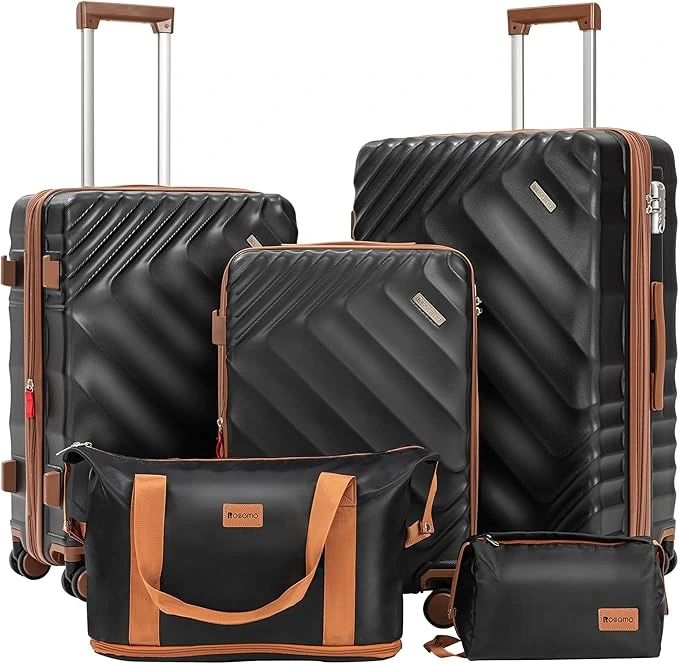
This 5-piece luggage set offers expandable capacity, durable ABS hard cases, smooth spinner wheels, and a TSA lock for peace of mind. It’s designed to meet airline carry-on standards, making your journey hassle-free and secure.
Explore Secure Luggage NowBeware of Common Tourist Scams
Criminals target tourists with sophisticated scams. Awareness is your first line of defense. Be wary of these common tactics.
Credit Card Skimming
Distraction Thefts
Overcharging & Wrong Change
“Friendly” Tea Ceremony
“Carry My Bag” Request
On the Ground: Navigating with Confidence
The 5 Levels of Awareness
Situational awareness is a spectrum. Avoid being “Tuned Out” but also prevent “Alert Fatigue” from staying on “High Alert.” Aim for a state of “Relaxed” awareness, ready to focus when needed.
Maintaining a Low Profile
Blending in is a powerful deterrent. Avoid behaviors that mark you as an easy target for opportunistic criminals.
- 👕Dress Inconspicuously: Avoid loud logos or clothing that screams “tourist.”
- 💎Limit Flashy Items: Keep expensive jewelry and electronics out of sight.
- 🤫Speak Softly: Avoid drawing attention by speaking loudly in your native language.
- 🤝Respect Local Customs: Adhere to local norms for dress and public behavior.
Transportation Safety Hierarchy
While essential, transportation introduces specific risks. Some modes are inherently safer than others. Choose wisely based on your destination.
🕵️ BLENDING IN IS AN ART. AWARENESS IS A SCIENCE.
You can change your clothes, but can you change your vibe? Predators read body language. We teach you the science of projection so you don’t look like a victim, no matter where you are.
➤ Master The VibeWhen Things Go Wrong: Your Emergency Playbook
Scenario: Theft or Robbery
1. Comply: Do not resist. Your safety is more valuable than your belongings.
2. Report: Immediately contact local police to file a report.
3. Contact: Notify your bank, insurance provider, and embassy.
Scenario: Medical Emergency
1. Assess: Determine the severity and call local emergency services.
2. Contact: Call your travel insurance’s 24/7 hotline for guidance.
3. Inform: Notify your embassy and family. Have medical info ready.
Scenario: Lost Passport
1. Report: File a report with local police (may be required).
2. Contact Embassy: This is your top priority. They can issue emergency travel documents.
3. Provide: Use your backup copies of documents to speed up the process.
Tech for Travelers: Your Digital Guardian
Leverage technology as a force multiplier for your safety, from pre-travel planning to on-the-ground support.
Pre-Travel
- 📲 Backup documents to secure cloud storage.
- 🛡️ Update device passwords & security software.
- 🗺️ Use route planners to identify safer routes.
On-the-Ground
- 🛰️ Use GPS for navigation (but don’t get distracted).
- 🌐 Use a VPN on public Wi-Fi networks.
- 🗣️ Keep translation apps handy for emergencies.
Remote Areas
- 📡 Carry a satellite phone or communicator.
- 📍 Consider a Personal Locator Beacon (PLB).
- 🔋 Bring a portable power bank for your devices.
Frequently Asked Questions
The most important tip is to cultivate strong situational awareness. Always be aware of your surroundings, trust your instincts, and avoid distractions like excessive phone use while walking in unfamiliar areas.
Diversify where you store your cash (e.g., wallet, money belt, hotel safe). Make digital and physical copies of all important documents and store them separately from the originals. Consider using prepaid cards to limit exposure if your primary cards are compromised.
Yes, comprehensive travel insurance is highly recommended. It provides a critical safety net for medical emergencies (including evacuation), trip cancellations, and lost or stolen belongings, saving you significant financial and emotional stress.