The Safe Open House Protocol
Control The Environment, Control The Outcome
As a real estate professional, your focus is on connection and service. But hospitality without boundaries is vulnerability. An open house is the definition of an “unpredictable situation”—you are in an unfamiliar space, inviting the general public inside, often while alone.
This isn’t about paranoia. It is about preparation. Holding a safe open house is a professional process—a series of small, smart habits that grant you complete control over your environment.
Phase 1: Preparation & Staging
The Setup: The Foundation of a Safe Open House
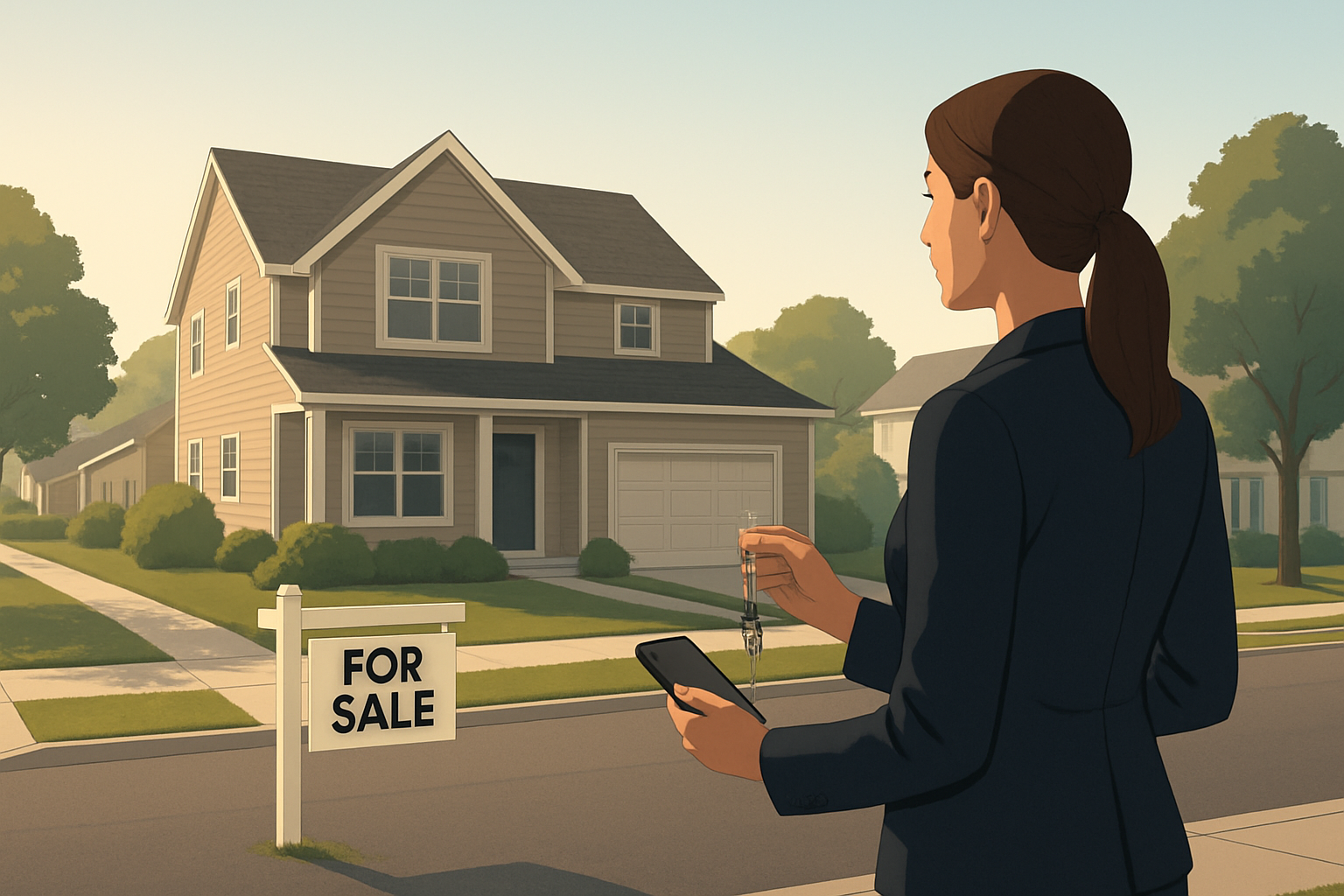
Your safety plan starts before you unlock the front door. Arrive with intention. Walk the property with a safety mindset, not just a sales mindset.
- Park for Exit: Park on the street, never in the driveway where you can be blocked in. Ensure a clear path to leave.
- The Safety Buddy: Inform a colleague or partner of your schedule. Send a “Start” text upon arrival and a “Safe/Concluded” text upon departure.
- Stage for Safety: Unlock interior deadbolts to ensure escape routes are effortless. Remove hazards (valuables, prescription drugs, potential blunt weapons).
- Digital Perimeter: Use a digital sign-in app. This creates a record of entry and filters out those unwilling to identify themselves.
🧠 The Mindset Shift
You are not just a host; you are the site manager. When you control the space, you project a confidence that naturally deters boundary-pushing.
🚫 “Polite” Can Be Dangerous
We are taught that boundaries are rude. In the Mentorship, we re-train your nervous system to prioritize your safety over social comfort without losing your professionalism.
“I used to be afraid of offending clients. Now I know my confidence actually makes them trust me more.” — Jessica R., Realtor Build Your BoundariesPhase 2: Awareness & Positioning
🧠 The Positioning Rule
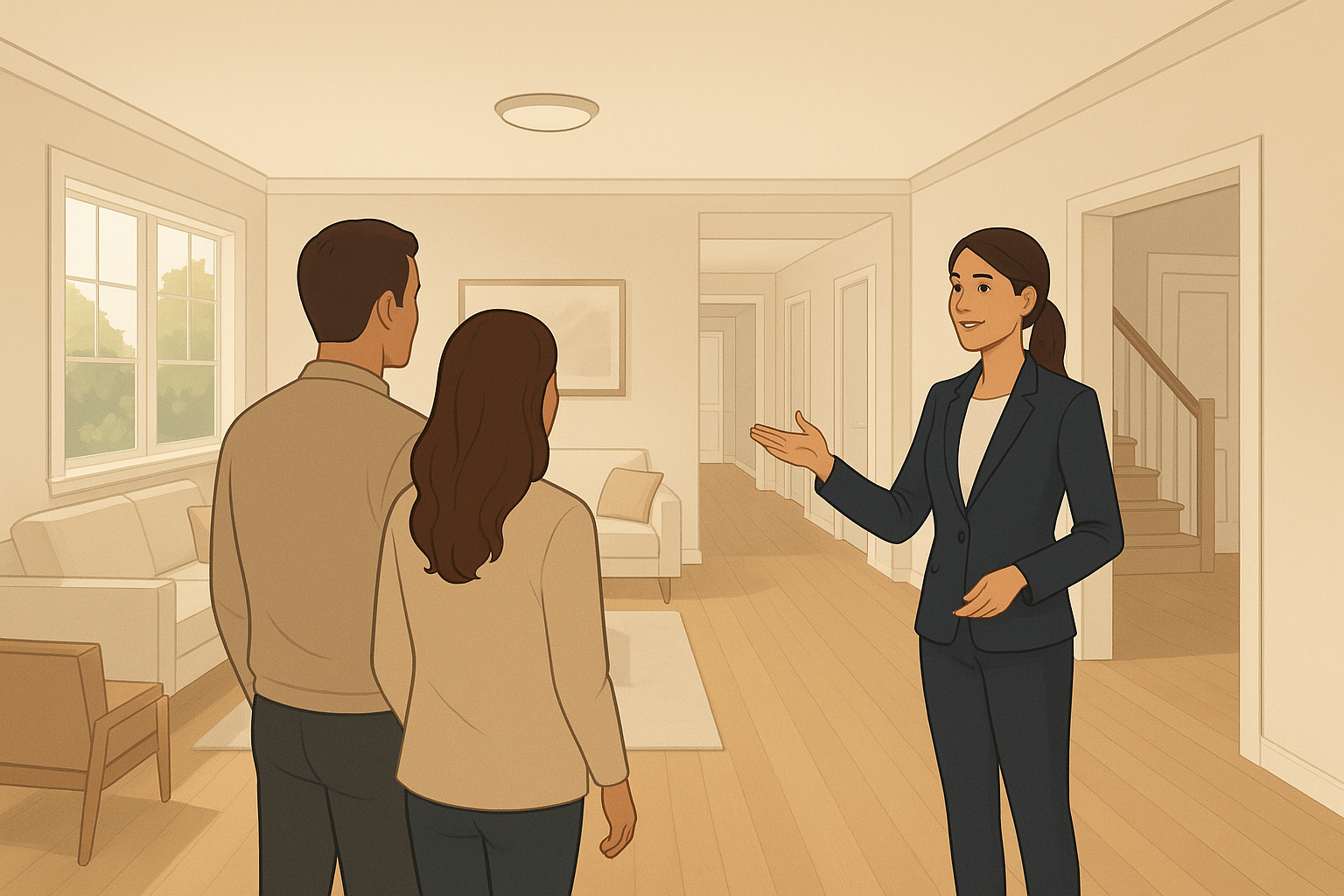
Never let yourself be trapped. Your best position is near the front entry or a central living area with clear visibility and at least two escape paths.
Managing the Flow
Physical positioning and mental presence are your most powerful tools during the event.
- Guide, Don’t Follow: Control the flow. Stand back, gesture, and say, “The master bedroom is just down the hall to your left.” Let them walk ahead of you. Keep them in your line of sight; never let them get between you and your exit.
- Be Present: Keep your head up, not buried in your phone. Make direct eye contact with every entrant. This projects calm authority and signals you are aware.
- Trust Your Internal Alarm: If a person feels “off,” do not brush it aside as being judgmental. That is your internal risk assessment working. Maintain distance.
🗣️ Verbal De-Escalation
What do you say when someone crosses a line? We don’t rely on rigid scripts because every situation is different. Instead, we give you the tools to stay calm enough to adapt when under pressure.
“The training gave me the tools I didn’t know I needed until I was in a weird situation. I was able to adapt instantly.” — David L., Broker Master Verbal DefensePhase 3: The “Closed” Sign
Secure and Exit
The event isn’t over until you are safely in your locked car and on your way home. This transition moment is often where vulnerability is highest.
- Full-Clear Sweep: Before locking the front door, check all rooms, closets, and patios. Announce yourself: “The open house is now over, I’m locking up!” Never assume you are alone.
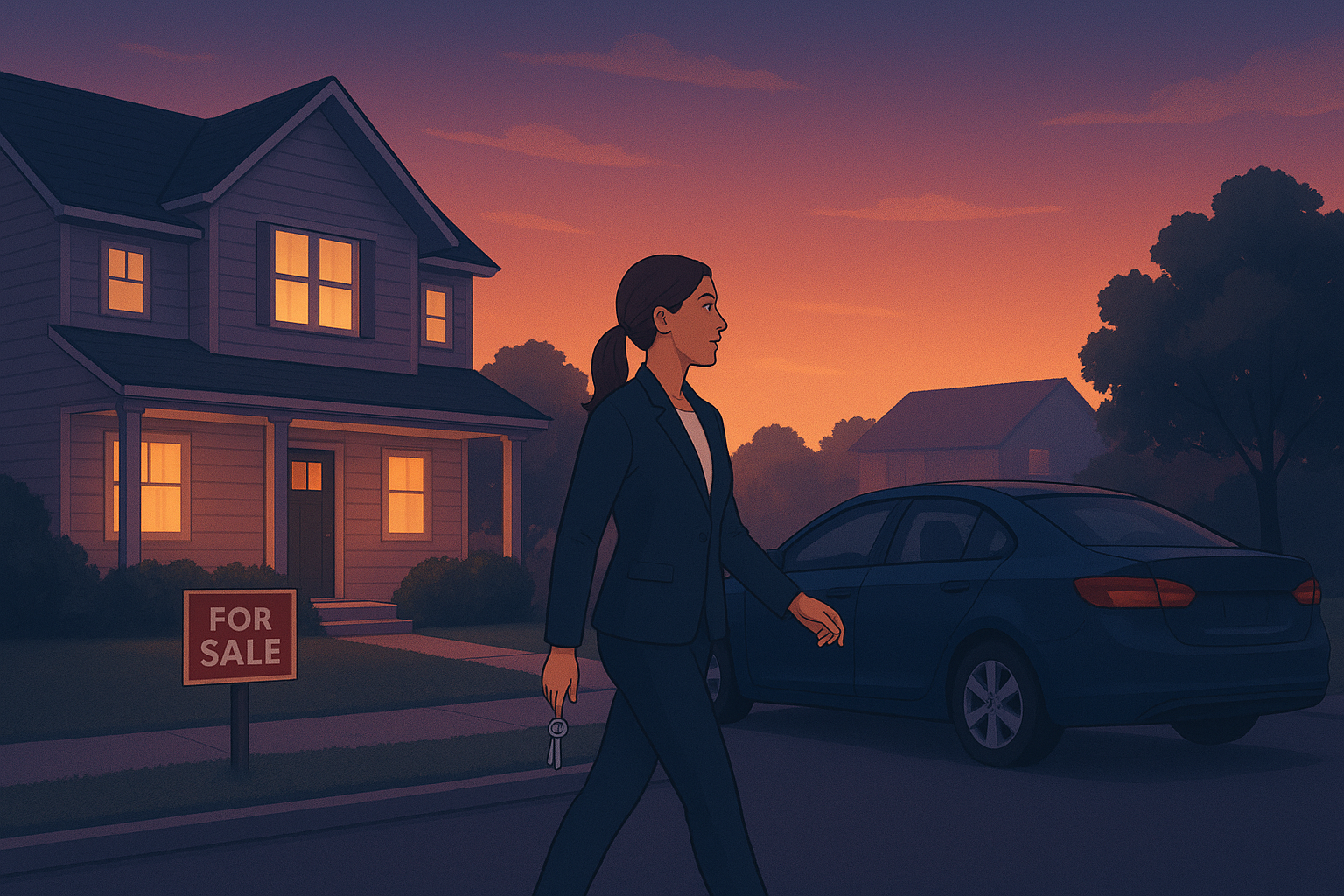
- Purposeful Exit: Walk to your car with keys in hand and head up. Get in, lock doors immediately, and drive off. Do not sit in the driveway checking emails.
- Close the Loop: Send that final text to your safety buddy: “All clear and heading home.”
🧠 The Transition
Complacency hits hardest at the end of the day. Maintain your “Condition Yellow” (relaxed alert) until you have completely left the site.
From Checklist to Confidence
A checklist manages the environment. However, running a truly safe open house requires more than a list; it requires unshakeable confidence that comes when these actions become second nature.
When you are prepared, you can handle an agitated client or an aggressive stranger with the same professional calm you use to negotiate a contract. Safety is not a gadget; it is a design feature of your professional practice.