A Whole-Person Approach to Dealing with Bullies
At The Other Way Martial Consulting, we believe that learning how to deal with bullies is about more than just protecting your body. We teach that personal safety is a whole-person concept, involving your physical, psychological, and philosophical well-being. Bullying is a serious problem that attacks all three of these areas. This guide is designed to help you understand different types of harassment and stop bullying, providing you with the tools and coping strategies to protect not just your body, but your mind and spirit as well.
Part I: How to Deal with Bullies by Understanding Their Tactics
Chapter 1: The “Hunter”
The “Hunter” is the classic, power-hungry bully. They are deliberate and enjoy the feeling of dominance. Their bullying is often overt and public. This behavior is known as proactive aggression—a cold, planned action used to gain control. It’s often driven by “Dark Triad” traits. To counter them, you must stand your ground calmly, use repetitive boundary-setting phrases for verbal self-defense, and document everything to create a paper trail for formal help.
The Hunter
Uses planned, proactive aggression for power and control.
🦁 HUNTERS SEEK VICTIMS, NOT FIGHTS.
A hunter looks for weakness. Documentation is a shield, but confidence is a weapon. In the Mentorship, we teach you how to project the “Hard Target” energy that makes hunters look elsewhere.
➤ Become A Hard TargetThe Ambusher
Uses covert, relational aggression like gossip and exclusion.
Chapter 2: The “Ambusher”
This bully is covert and two-faced, often sabotaging you behind your back. This is called relational aggression, a psychological attack meant to harm friendships. It’s driven by insecurity. To handle this type of bully, bring their actions into the light by asking clarifying questions in public, build your own strong alliances to counter their isolation tactics, and, if you feel safe, confront them directly and privately about their specific behaviors.
Chapter 3: The “Grenade”
The “Grenade” has sudden, unpredictable outbursts of rage. This is reactive aggression, an impulsive, emotional response. This person is often a “bully-victim“—someone who both bullies and is bullied, and who suffers from poor emotional regulation. The best way to deal with this bully is to create distance during an outburst. Do not engage. Later, when they are calm, set firm boundaries about their unacceptable behavior.
The Grenade
Exhibits reactive, explosive aggression due to poor emotional regulation.
The Critic
Undermines confidence with hyper-criticism and fault-finding.
Chapter 4: The “Critic”
This bully constantly chips away at your confidence by finding fault in everything you do. This is a form of psychological harassment meant to undermine you. It’s often driven by their own deep-seated insecurity. To counter them, use the “Fogging” technique by calmly agreeing with a small part of their criticism. Crucially, ask for specifics in writing (“Could you email me the exact changes you’d like to see?”).
Chapter 5: The “Joker”
The “Joker” uses “humor” as a weapon, saying cruel things and then hiding behind the defense of “I was just kidding!” This gives them plausible deniability. The most effective counter is to not get angry, but to calmly ask them to “Explain the joke.” Forcing them to deconstruct a mean-spirited comment makes them look foolish and exposes their intent.
The Joker
Uses “humor” as a weapon with plausible deniability.
🥋 WORDS ARE WEAPONS. LEARN TO PARRY.
Asking a Joker to “explain the joke” is a martial art technique applied to conversation. We teach you the specific verbal scripts (Tactical Linguistics) to shut down verbal attacks instantly.
➤ Learn Tactical Linguistics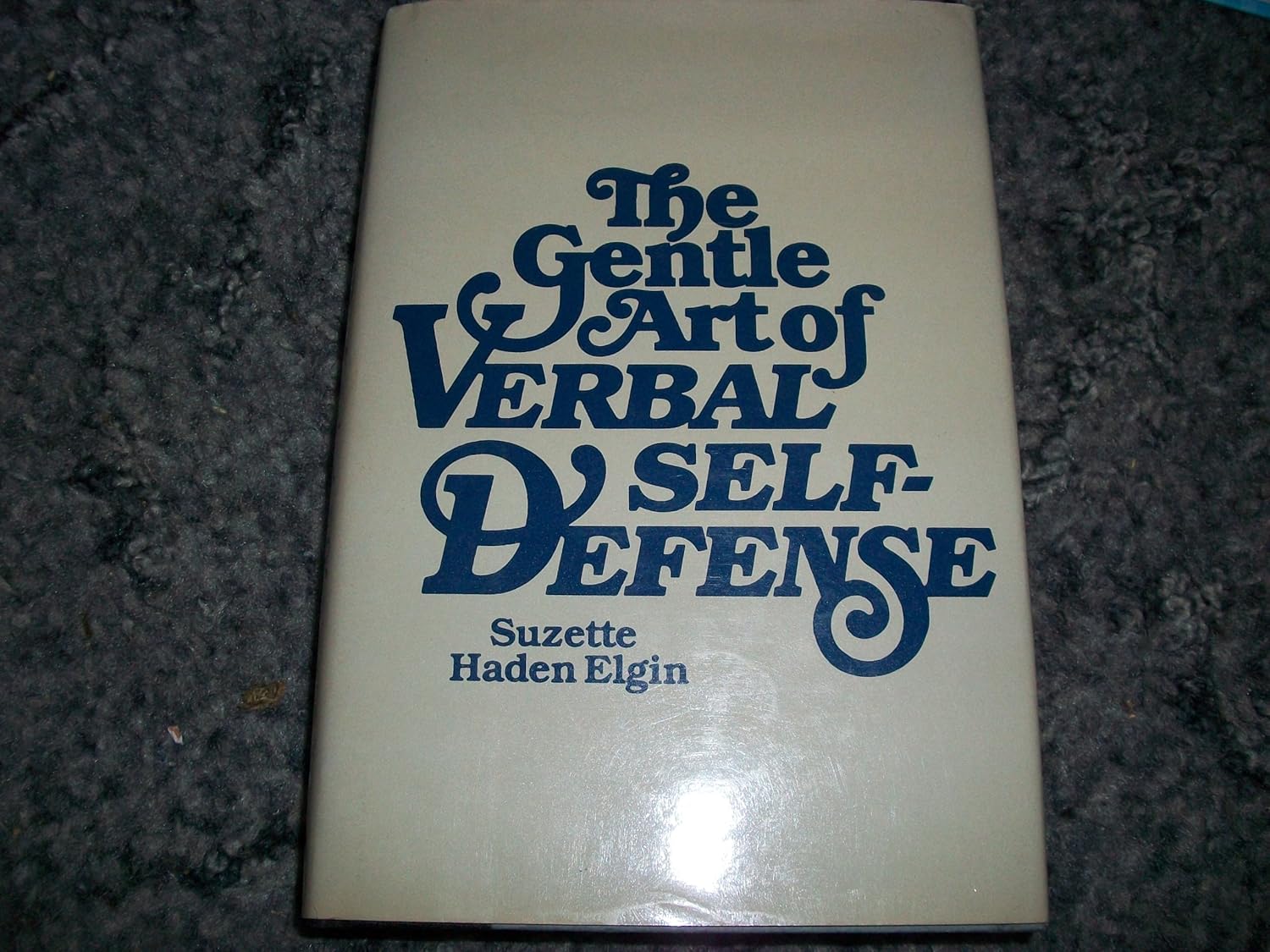
Master the Art of Verbal Self-Defense
The techniques discussed are powerful tools for reclaiming your psychological space. To dive deeper into mastering communication that protects and empowers you, we highly recommend “The Gentle Art of Verbal Self-Defense” by Suzette Haden Elgin.
Purchase on AmazonPart II: The Bullying Ecosystem and How to Prevent Bullying
Bullying is rarely just a problem between two people. Effective bullying prevention requires looking at the whole environment—the “ecosystem”—where the harassment occurs. The culture, the leaders, and the bystanders all play a part.
Gender Dynamics in Bullying
Research shows distinct patterns in how different genders tend to employ bullying tactics.
The Bystander’s Role in Bullying
Inaction empowers the bully. This chart shows common reasons bystanders fail to act.
Part III: The Damage, Healing, and a Better Future
The Escalation from Words to Physical Aggression
Bullying is not just “words.” Unchecked psychological abuse is a major red flag for physical violence. Understanding this progression is key to de-escalation and how to stop bullying.
Level 1: Verbal
Intimidation, insults, “jokes.”
Level 2: Threats
Veiled or direct threats to person or property.
Level 3: Physical
Assault, property damage.
True self-defense begins with recognizing and diffusing a threat before it ever becomes a physical confrontation.
The Lasting Scars: The Impact of Bullying
Increased Mental Health Risks for Targets
of bullied girls show clinical symptoms of PTSD.
higher risk of depression in adulthood for bullied individuals.
Frequently Asked Questions About Dealing with Bullies
1. What’s the difference between bullying and just being mean? ▼
The key differences are repetition and a power imbalance. Being mean might be a one-time rude comment. Bullying is a pattern of behavior that happens over and over again.
2. How do I deal with a bully who is my boss? ▼
Dealing with workplace bullying is difficult. Your safety comes first. Start by documenting everything in detail: dates, times, what was said, and who was there. This creates a record.
3. Why doesn’t just “ignoring the bully” work? ▼
Many bullies are motivated by getting a reaction and demonstrating power. Silence can be seen as weakness or even approval, which can encourage them to continue or even escalate their behavior.
4. I’m a bystander and want to help, but I’m scared. What’s the safest thing to do? ▼
Try one of the “4 D’s”: Distract the situation, Delegate by getting a manager, or Delay by checking in with the person afterward.
5. Can people who bully actually change? ▼
Change is possible, but it requires the person to genuinely want to change. For some, change only happens when they face real consequences for their actions.