We are problem solvers. Whether handling complex clients, critical patients, or high-stakes projects, we are often tasked with navigating unpredictable behavior in our professional lives, but we rarely apply that same rigorous logic to our personal safety.
It is a jarring transition. You leave a meeting where you are the expert, and suddenly you are on a platform feeling exposed and unsure. That disorientation isn’t weakness; it’s the friction of switching worlds.
We are trained to diagnose and fix problems. When we see a breakdown, we correct it. But there is one scenario where this “Fixer Mindset” becomes dangerous: The Erratic Variable.
You know this scenario. You are on the subway, and someone is screaming at the ceiling. Or you are walking downtown, and you encounter someone in a drug-induced psychosis or a severe mental health crisis.
Your instinct might be to “reason” with them, to offer help, or to verbally de-escalate. Your instinct to fix isn’t wrong; it comes from a desire for order. But applying order to chaos is like trying to catch smoke with a net. It doesn’t work, and the failure to catch it creates panic.
The Skill: Walking Between the Raindrops
In Kyo-Jitsu Ryu, we teach a core skill for safety on public transit and city streets. We call it “Walking Between the Raindrops.”
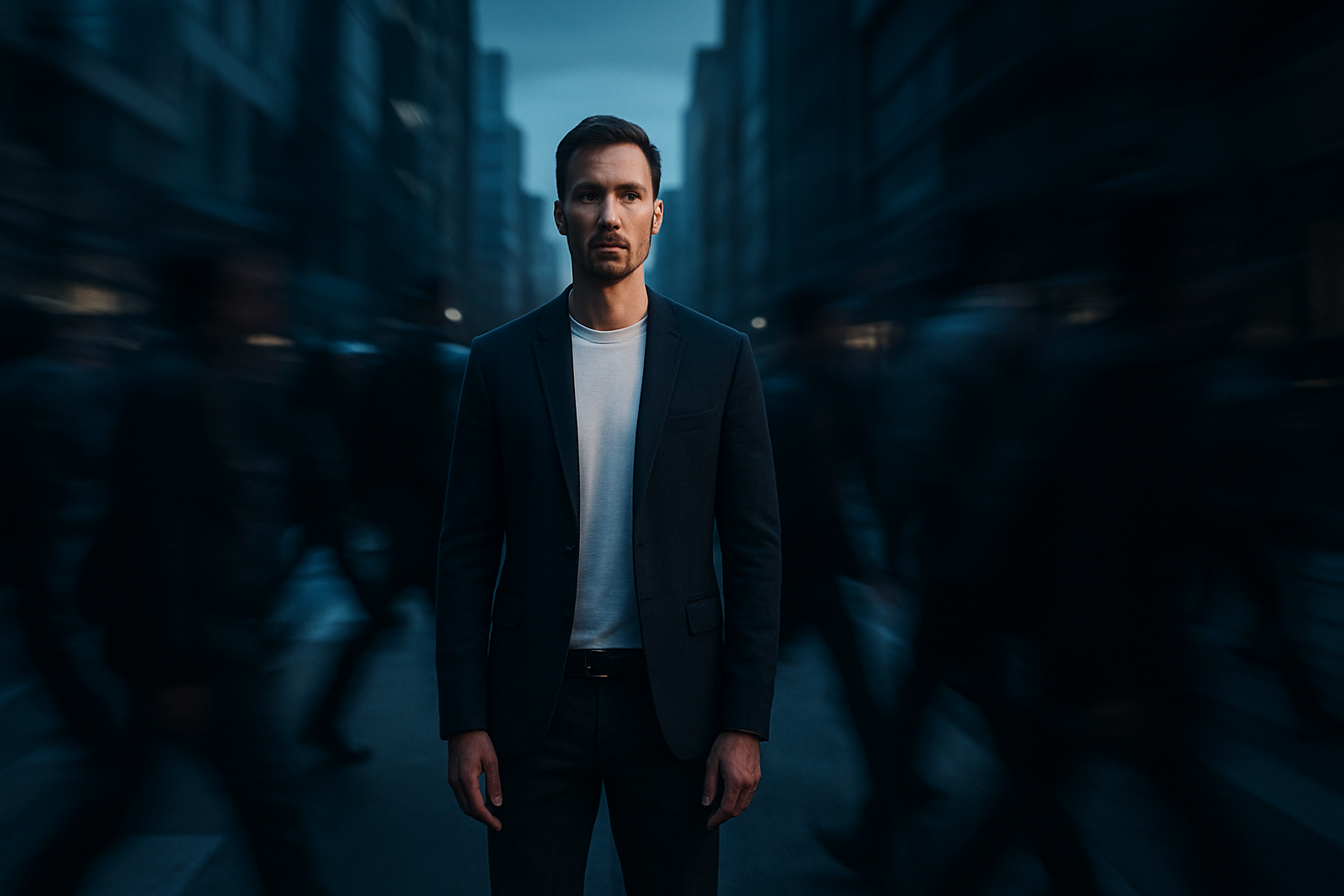
Imagine a rainstorm. The Fighter tries to punch the raindrops (exhausting, impossible). The Victim stands still and gets soaked (freezing). The Navigator walks between them.
This isn’t about stopping the rain. You cannot fix the person screaming on the platform. It is about having such high-resolution Situational Awareness that you can see the empty spaces between the problems and step there. You get to your destination dry, not because you controlled the weather, but because you controlled your path.
INTERACTION PROTOCOLSREF: KJR-NAV-04
Parameter
The Fixer (High Risk)
The Navigator (Safe)
Goal
Resolve the Conflict
Preserve Autonomy
Engagement
Verbal / Eye Contact
Zero Contact / Flow
Physics
Blocking the Current
Walking Between Raindrops
Outcome
Entanglement
Strategic Insulation
Your Logic is a Tool, Not a Shield.
Knowing how to code won’t help you on the subway. Knowing how to navigate human behavior will. Update your operating system.
View the Mentorship Curriculum“I used to try to talk my way out of everything. Learning to just ‘flow’ past danger was the biggest relief of my life.” — Mark T., Software Architect
The Navigation Protocol
So, how do we apply this? When dealing with aggressive panhandlers or erratic behavior, we use a 3-step navigation protocol designed to keep you safe without escalation.
1. The Radar Scan (Early Detection)
Most people walk looking at their phones (The “Goldfish Bowl”). This guarantees you won’t see the storm until you are wet. The Protocol: Keep your head up. Identify the “loud” energy from 50 feet away. If you see someone screaming on the subway platform, do not stand next to them. Move to the next car before the doors close. Distance is your primary shield.
2. The Faraday Cage (Signal Blocking)
Erratic individuals are often looking for a “hook”—eye contact or a verbal response—to ground their chaos. If you look at them or say “Sorry, I don’t have cash,” you have completed the circuit. You are now part of their storm.
The Protocol: Become a “Faraday Cage.” Block the signal. But be careful—actively ignoring someone (stiff neck, staring at the floor) is also a signal. They can feel your intent. It says, “I am afraid of you.”
Instead, treat them like the ghost. Act as if they are unseen and unheard. If you must look in their direction, treat them like any other piece of scenery—a street sign or a trash can. Give them zero emotional weight. If you provide no surface for their aggression to stick to, it will slide off.
Case Study: The Bar Slide
I once found myself alone at a bar after a rough day, just wanting a quiet glass of wine. A man nearby tried to engage. I didn’t want to talk, so I simply… didn’t. I didn’t tense up. I didn’t glare. I just stayed in my own world.
He pushed harder, moving to sit next to me. The bartender noticed and moved closer to the phone, sensing the escalation. Then, the man decided to escalate physically—he slid his beer across the bar directly in front of me.
This was the moment of truth.
A “Fighter” would have shouted. A “Victim” would have flinched. instead, I caught the sliding beer mid-motion, picked it up, and set it firmly back in front of him. I never looked at him. I never stopped drinking my wine.
He left. As I walked out later, the bartender just shook his head and whispered, “Amazing.”
It wasn’t magic. It was total commitment to the boundary. By refusing to acknowledge his attempt to disrupt my peace, I rendered his aggression useless.
Sometimes, you just want to be left alone. You have every right to feel that way and to ensure you get it.
3. The Trajectory Change (Flow)
If the storm blocks your path, do not stop and wait. Water does not stop when it hits a rock; it flows around it. The Protocol: Smoothly alter your path to create a wide arc around the individual. Do not make a sharp, fearful turn (that signals prey). Make a wide, deliberate curve. Keep moving. Your momentum is your safety.
4. The Boredom Shield (Starving the Fire)
This is an advanced tactic, but highly effective. Nothing pushes an erratic person away faster than your genuine boredom with their behavior.
The Protocol: Aggressors feed on reaction—fear, anger, or confusion. These are high-energy states. “Boredom” is a low-energy state. It signals supreme confidence. By projecting that you are unimpressed and uninterested, you starve them of the attention they are seeking. It has two critical effects:
Internal: It keeps your heart rate low and your mind clear, leaving you ready to move instantly if needed.
External: It creates an “Attention Firewall.” You are not engaging, but you are not empty. You are actively filtering their signal out. Because they cannot breach your firewall to get a reaction, they are forced to move on to an easier network.
Conclusion: The Right to Move On
You have a fundamental right to navigate your world freely. You are not obligated to fix everyone you meet. You are not obligated to be an audience for someone’s crisis.
By refusing to engage with the chaos, you are not being cold. You are being safe. You are preserving your energy for the things you can actually control.
Frequently Asked Questions
Q: What if I ignore them, but they push the issue and follow me?
A: This is the most common fear. If the “Storm” follows you, you must shift from Navigation to Evasion. Do not stop. Do not turn around to argue. Increase your pace without running (running triggers a chase instinct). Move immediately toward “High Friction” areas—a store with security, a crowded ticket booth, or a group of people. Chaos hates friction; it prefers isolation. By moving into a structured, witnessed space, you make yourself “too expensive” to follow.
Case Study: The Subway Pivot
A student of mine was once followed off a subway car by a “strange-acting” individual. The initial “Navigation” (ignoring) hadn’t worked; the person locked on.
My student didn’t panic. They didn’t run. Instead, they walked calmly but purposefully straight to the ticket booth—a “High Friction” area with a police officer nearby. They leaned against the booth, using the excuse of adjusting a shoe to ground themselves physically.
Then, the tactic flipped.
Once in a secure position, my student switched from “Strategic Ignoring” to “Pointed Staring.” They looked directly at the follower with a flat, bored expression that said, “Okay, I see you. What’s next?”
By giving the predator too much attention (the wrong kind—cold, unafraid scrutiny) while standing next to authority, the dynamic broke. The follower became uncomfortable and left quickly. The student went home unmolested.
Q: What if I’m targeted through no action of my own? I didn’t look at them!
A: It is critical to understand that you are not “targeted” in the personal sense; you are simply the nearest object in their weather system. Unpredictable behavior (drug-induced or otherwise) is rarely about you. It is about their internal hallucination or rage looking for an external outlet. Do not take it personally. Do not waste energy analyzing “Why me?” Accept that the storm is here, and execute your exit protocol immediately.
Q: Isn’t it rude to just walk away when someone is talking to me?
A: Social etiquette applies to social contracts. When someone is screaming at the air or aggressively demanding money, they have already broken the social contract. You are under no obligation to be polite to a threat. Your primary duty is to your own safety, not their feelings. Give yourself permission to be “rude” if it keeps you safe.
THE UPGRADE: HARDWARE VS. SOFTWARE
Don’t just bookmark this. Test it in the field.
You are brilliant at solving problems when you are sitting at a desk. That is your Software. But when a stranger screams at you on the subway, your Hardware (your nervous system) crashes. It triggers a spike in heart rate and locks your muscles. That spike is just your body dumping fuel into the engine for a fight you don’t want to have. It feels like fear, but it’s actually readiness. It’s not a character flaw; it’s just physics and biology.
You cannot run high-level logic on crashed hardware. You don’t need more theory; you need Stress Inoculation. Here is your mission for tomorrow:
The Scan: Identify 3 “Raindrops” (erratic variables) from 50 feet away before they get close.
The Regulation: If you feel your pulse rise, take one breath. 4 seconds in, 4 seconds out. Prove to yourself that you control the throttle.
The Space: Find the empty pocket in the crowd and move there before you need to.
Stop leaving your safety to chance. It’s time to update your infrastructure.
P.S. You have the right to be wrong. You have the right to change your mind. Safety is the foundation of that freedom.
The Art of the Velvet Rope: Safety Without the Scene
Most professionals I work with—engineers, project managers, consultants—operate under a specific anxiety. They are competent people who can solve complex problems, but they are terrified of “The Scenario.”
The Scenario isn’t a fistfight. It’s the moment a conversation turns hostile, or a stranger gets too close, and they freeze. They struggle because they do not know how to set boundaries without being aggressive. They are trapped in a dilemma: “I want to be safe, but I am terrified of looking like a jerk.”
We often confuse safety with aggression. We think the only way to stop a threat is to puff up our chest, shout, and dominate the space. And since you—the Reluctant Pragmatist—value dignity and logic, the idea of causing a scene feels like a failure.
This creates the Dignity Trap. You don’t want to be a bully, so you swing to the other extreme and become a doormat. You let people interrupt you, encroach on your time, or vent their emotional chaos onto you because you are trying to be “nice.”
But in Kyo-Jitsu Ryu, we distinguish between being Nice and being Kind.
Nice is trying to please everyone to avoid discomfort.
Kind is being clear.
Stop Guessing. Start Designing.
You don’t need to learn how to fight in a cage. You need a blueprint for navigating the world on your own terms.
View the Mentorship Curriculum“I didn’t need to learn to punch; I needed permission to have boundaries. The relief was immediate.” — Sarah J.
The Concept: Architecture vs. Muscle
If you treat safety as a fight, you will always be exhausted. Instead, think like an architect.
Consider the difference between a Stone Wall and a Velvet Rope.
A Stone Wall is aggressive. It blocks the view. It challenges people to climb it, graffiti it, or smash it. It requires constant maintenance and guarding. It signals, “I am afraid of you, so I am hiding.”
A Velvet Rope is different. It is elegant. It is minimal. It doesn’t block the view, but it clearly defines where the “Public Zone” ends and the “VIP Zone” begins. It signals, “I respect you, but this space is reserved.”
You don’t need to be a bouncer to be safe. You need to be an Architect. You need to define the space so clearly that conflict resolves itself outside your perimeter, not inside.
PROTOCOL COMPARISONREF: KJR-SEC-09
Metric / Parameter
The Stone Wall (Aggressive)
The Velvet Rope (Assertive)
Energy Cost
HIGH (Active Guarding)
LOW (Static Design)
Signal Sent
“I am afraid of you.”
“This space is reserved.”
Opponent Reaction
Challenge / Recoil
Observation / Bypass
Sustainability
Low (High Burnout Risk)
High (Indefinite)
Social Perception
Unstable / “Jerk”
Professional / “Pro”
The Physics of Push-Back
Why does aggression fail? It comes down to simple physics.
According to Newton’s Third Law, for every action, there is an equal and opposite reaction.
When you scream “Back off!” or “Shut up!”, you are applying force. The other person’s ego must push back to save face. You have just poured gasoline on the spark. You have turned a nuisance into a duel.
A Velvet Rope doesn’t push; it just is. It is a static boundary. By removing the “push,” you remove the fuel for their reaction. You deny them the friction they need to start a fire.
The Protocol: Constructing Your Rope
How do we build this in real life? We move away from the binary of Fight or Flight and use the following protocol to set boundaries without being aggressive.
1. The Internal Audit (Define the Line)
You cannot enforce a property line you haven’t surveyed. Before you walk into a meeting, a family holiday, or a transit station, you must know what your “Non-Negotiables” are.
Is it your personal space? Is it the volume of voice you will tolerate? Is it a specific topic? If you wait until you are emotional to decide where the line is, it’s too late. The rope must be up before the guests arrive.
2. The Soft Wedge (Verbal Separation)
When someone bumps into your boundary, do not shove them back. Instead, place a “Soft Wedge” between their behavior and your reaction. Separate the person from the action.
The Aggressive Way: “You are being rude!” (This attacks the person and invites a counter-attack.)
The Velvet Rope Way: “I cannot continue this conversation while voices are raised. Let’s take a break and come back in ten minutes.” (This defines a condition. You aren’t fighting them; you are simply stating the rules of entry.)
3. No Recoil (Stand Your Ground)
This is where most empathetic people fail. After they set the boundary, they feel guilty. They apologize. They take a half-step back.
Do not do this.
If you apologize for your boundary, you destroy it. You teach the other person that your limits are negotiable. Once the rope is clipped into place, stand still. Do not explain. Do not justify. Silence is the lock on the gate.
The Strategic Win
The goal of the Velvet Rope isn’t to dominate the other person or “win” the argument. The goal is Strategic Insulation.
By setting clear, polite, and firm limits, you allow the “cold wind” of the world to blow past you without changing your internal temperature. You remain the architect of your environment, not the victim of it.
Is Your Safety Designed or Accidental?
Most people leave their safety to chance. We teach you how to engineer it. Join the next intake of the Personal Safety Mentorship and regain your agency.
P.S. You have the right to be wrong. You have the right to change your mind. Safety is the foundation of that freedom.
The Strategic Mindset: Finding Your Way to Safety
Beyond “Fight, Flight, Freeze, or Fawn”
The Strategy Gap
First, conflict triggers a natural reaction. We know it as the “fight, flight, freeze, or fawn” response. This is instinct. However, instinct is not strategy. Therefore, Kyo-Jitsu Ryu offers The Other Way.
Conflict is a strategy problem, not a brawl. Consequently, you must not meet force with force. That is a Destructive Mentality. Instead, think like a consultant. Be calm. Be efficient. Focus only on finding your way to safety.
Core Strategic Concepts
Kyo (The Weakness) / Jitsu (The Strength)
For example, think about mechanics. An attacker’s push is their strength (Jitsu). But that push creates a gap (Kyo). So, move out of the way. Let their strength become a weakness. Read more about our core principles here.
Mobile Stability
Basically, this is the principle of readiness. Stay balanced. Stay grounded. Furthermore, be ready to move. You are never stuck. You are always ready to negotiate your way to safety.
Part 1: The Physical Game
The Common Reaction: The Sledgehammer
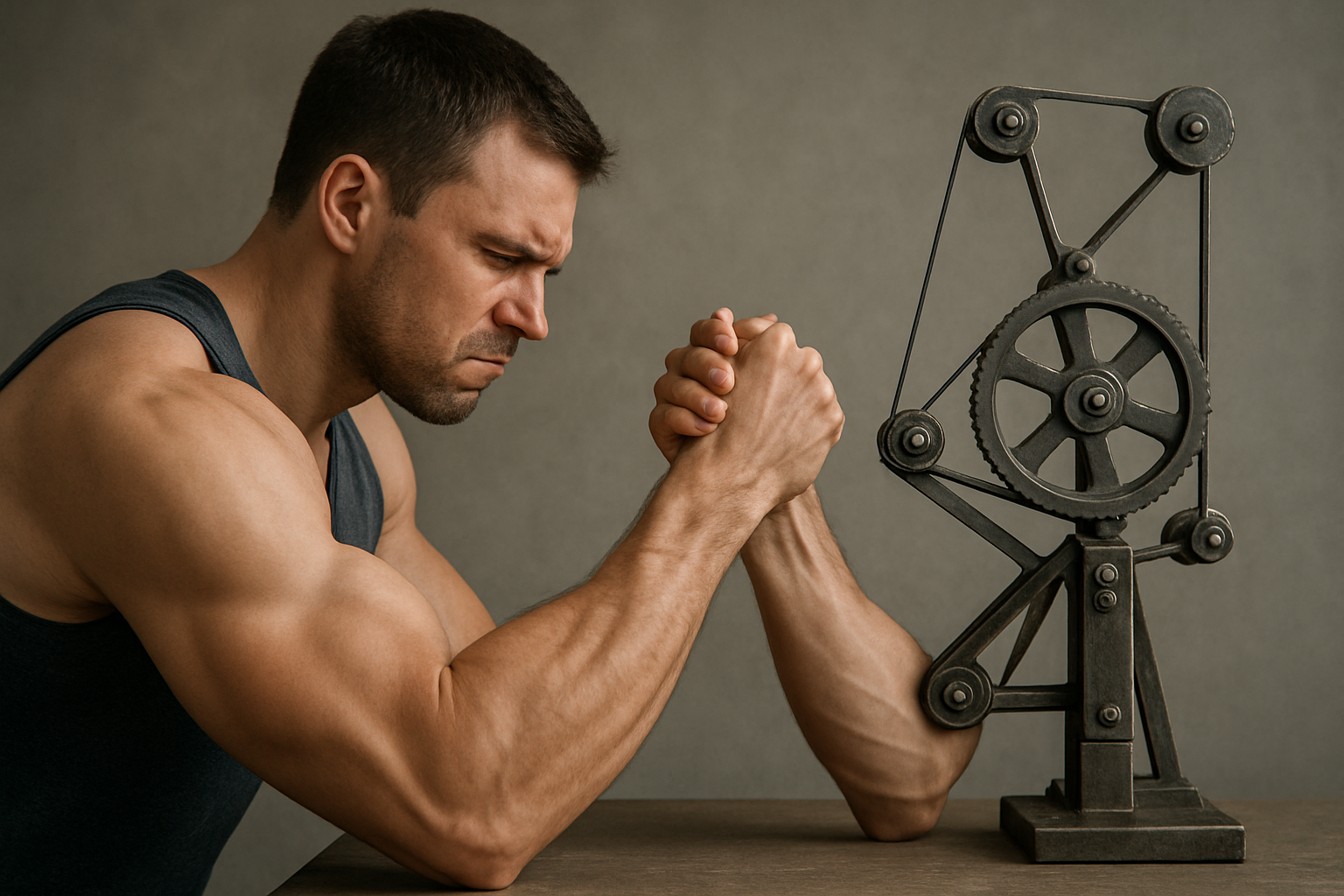
Initially, your gut tells you to tense up. You want to strike hard. However, this tires you out. Also, it makes you predictable. You lose balance. As a result, you act like a battering ram: high force, low control.
The Strategic Response: The Tuning Fork
In contrast, do not oppose force. Use precision to break their structure. When an attacker grabs you, they commit to that action. Therefore, allow that commitment. Then strike the exposed target to break their focus. The grip releases because they feel new pain, not because you pulled away.
🚫 Stop Fighting Force With Force
Trying to overpower an attacker is a gamble. However, redirecting their energy is a science. In the Mentorship, we teach you the physics of “Mobile Stability” and finding your way to safety efficiently.
“I stopped trying to out-muscle people and started out-thinking them. It changed everything.” — Michael K., StudentLearn The Physics
Part 2: The Mental Game
The Strategic Response: The Cognitive Pause
First, keep control. Force the attacker to think. For instance, use a Verbal Strike. Ask a calm, odd question like, “Are you okay?” This breaks their script. Consequently, it creates a Cognitive Pause. It shifts their brain from “attack” to “think.” This buys you time to escape.
The Common Reaction: The Panic Button
Unfortunately, untrained minds panic. You join the attacker’s drama. You yell or argue. Thus, this confirms their power. It locks you into a victim role. You get tunnel vision. Finally, you lose the ability to think your way to safety.
🧠 Hack The Attacker’s Mind
A fight is psychological. Therefore, by disrupting their OODA Loop (Observe-Orient-Decide-Act), we teach you the verbal techniques that freeze an aggressor in their tracks.
“The ‘Cognitive Pause’ technique de-escalated a road rage incident instantly. I was home safe in 5 minutes.” — David L., BrokerMaster Verbal Defense
Part 3: The Life Game
The Fighter vs. The Strategist
The Fighter wants to win the battle. But this escalates conflict. It risks legal trouble. On the other hand, the Strategist has one goal: ensure safety.
Use the scalpel, not the sledgehammer. This aligns with Passive Resistance. Moreover, it protects you legally and ethically. Remember: Success is not winning a fight. Success is navigating your way to safety unharmed.
The Goal is Peace
We do not train to fight. Rather, we train so we never have to fight on the enemy’s terms. Peace is internal. Maintaining that peace is the ultimate efficiency.
Frequently Asked Questions
Is passive resistance safe against violence?
▼
Yes. It isn’t about doing nothing. Instead, it is about doing the smart thing. Refuse to meet force with force. Create openings (Kyo). Thus, you find your way to safety faster than a brawl.
Do I need to be fit or strong?
▼
No. The system relies on leverage and mechanics. Therefore, it does not need brute strength. It is effective for people of all ages.
How is this different from MMA?
▼
MMA focuses on “winning the fight.” However, Kyo-Jitsu Ryu focuses on “surviving the encounter.” We prioritize de-escalation. Ultimately, we focus on your way to safety.
Go Beyond The Concepts
This guide covers the 20% (the theory). However, my 10-Week Personal Safety Mentorship covers the 80%. We cover practical application, nervous system regulation, and the drills that make these strategies second nature.
*Next Intake Limited to 10 Students to ensure personalized instruction.
P.S. You do not need more muscle. Instead, you need more strategy. The principles are the map; the mentorship is the guide.
The Forgotten Realities of Combat
Dismantling The Mythology of Violence
The public understanding of personal safety is overwhelmingly shaped by fiction. We live in a world of harmless knockouts and invincible masters. This report moves beyond these archetypes, digging into the lesser known facts to address the significant gulf between popular perception and the documented realities of human conflict.
True safety requires moving past the “facts” we think we know and examining the evidence.
Part I: The Forgotten Histories
The Myth
“Mixed Martial Arts (MMA) is a modern sport invented in the 1990s.”
Pankration and the Birth of Sports Medicine
The concept of “mixed martial arts” (MMA) lies in the ancient Olympic Games. Pankration (648 BCE) was the original “total combat” system. Its name, derived from the Greek pan (“all”) and kratos (“strength”), signified its purpose: an ultimate test of fighting skill.
The true lesser known fact, however, is the consequence of this brutality. The extreme rate of catastrophic injuries forced a necessary innovation. Historians note that “The Greeks invented sports medicine, probably in part because of all the injuries all the time.” The field of sports medicine was a direct, necessary societal response to the violence of the arena.
The Myth
“Sherlock Holmes’s ‘baritsu’ was a fictional typo for ‘jujutsu’.”
Bartitsu: The Gentleman’s Self-Defense
In 1903, Sherlock Holmes claimed to use “baritsu” to defeat Professor Moriarty. This was not a typo; it was a reference to Bartitsu, a real mixed martial art developed by Edward William Barton-Wright in 1898.
Bartitsu combined Japanese Jujutsu, British Boxing, French Savate, and Swiss Cane-Fighting. It was the first system designed specifically for “gentlemen on the mean streets of Edwardian London.” Despite its innovation, Barton-Wright died in poverty in 1951, buried in a pauper’s grave, his contribution largely forgotten until modern rediscovery.
The Myth
“Martial arts were historically an exclusively male domain.”
“Suffrajitsu”: The Bodyguard Unit
Jujutsu was adopted as a practical tool of political warfare by the militant Suffragette movement. Journalists coined the term “Suffrajitsu” to describe these trained activists.
They formed a clandestine, 30-woman unit known as the “Bodyguard” to protect leaders like Emmeline Pankhurst from police assault. Trained by Edith Garrud, one of the West’s first female instructors, they carried concealed wooden clubs and used leverage to overpower larger opponents, establishing an early link between self-defense and political agency.
🥋 History Is A Blueprint
The Suffragettes didn’t just learn to fight; they learned to organize and protect. In the Mentorship, we study these historical mindsets to build your modern resilience.
“I realized my training wasn’t just physical; it was a lineage of survival. That shift changed how I carry myself.” — Marcus D., StudentStudy The Mindset
Part II: Deconstructing Traditions
The Myth
“The colored belt system came from a white belt getting dirty over time.”
The Truth About Belts: Gamification
The “dirty belt” story is a romantic myth. The belt system was created by Jigoro Kano (Judo) in the 1880s to distinguish students (white) from advanced practitioners (black). The multi-colored system we know today was introduced in Paris in the 1930s by Kawaishi Mikonosuke.
Kawaishi realized Western students lacked the patience for a decades-long journey without recognition. He introduced colors as a form of “gamification”—visible milestones to incentivize progress. It was a pedagogical tool, not an ancient tradition.
The Myth
“The white ‘gi’ is the ancient uniform of Okinawan karate.”
Before The Gi
In Okinawa, practitioners trained in everyday clothes or undergarments. The white keikogi was borrowed from Judo in the 1920s to make karate appear more formal and “Japanese.”
Gichin Funakoshi mandated the white uniform for a specific social purpose: to strip away class distinctions. In a rigid class society, the uniform made the banker and the laborer equal on the dojo floor. It was a tool of social leveling, emphasizing that on the mat, only merit matters.
Part III: Neuroscience of Violence
The Myth
“Violent attacks are random, ‘wrong place, wrong time’ events.”
The Predator’s Interview
Predators do not choose victims randomly. They conduct a non-verbal “interview,” scanning for distraction, hesitation, and poor posture. Studies show that criminals consistently select targets who look “lost” or “engrossed in mobile phones.”
The most effective self-defense is to fail this interview. By projecting awareness and purpose, you present as a “hard target,” causing the risk-averse predator to deselect you before a conflict ever begins.
The Myth
“Freezing is an act of cowardice.”
Attentive Immobility
The “Freeze” response is an involuntary neurological event, not a choice. It involves the simultaneous activation of the “gas pedal” (Sympathetic Nervous System) and the “brake” (Parasympathetic Nervous System).
This state is “attentive immobility.” The brain pauses to process a threat. Training does not eliminate the freeze; it programs a faster “release,” allowing a trained individual to transition from immobility to action while an untrained person remains stuck.
The Myth
“Time slowing down is just a movie trope.”
Tachypsychia and The Cost of Speed
The feeling of time slowing down is real. Known as Tachypsychia, it occurs when adrenaline accelerates the brain’s processing speed. However, this comes with a severe cost: the collapse of fine motor skills.
Under this stress, you lose the ability to perform complex mechanical tasks (like unlocking a phone or flipping a small safety switch). This is why reliable self-defense tools must rely on gross motor skills—large, simple movements that survive the adrenaline dump.
🧠 Train Your Nervous System
Knowing about the “Freeze” doesn’t stop it. Stress inoculation training does. We use safe, high-pressure drills to teach your brain how to “release” from the freeze instantly.
“I used to freeze when people yelled. Now, my brain just clicks into ‘solution mode’. It’s like a superpower.” — Sarah J., GraduateInoculate Against Fear
Part IV: Tactics & Law
The Myth
“The ‘kiai’ shout is just for intimidation.”
The Biomechanics of the Shout
The kiai is not mystical; it is biomechanical. A sharp exhalation creates intra-abdominal pressure, stabilizing the core and allowing for efficient power transfer. Clinical studies show that shouting while exerting force can increase grip strength by up to 25%.
The Myth
“A knockout is like a harmless nap.”
The Reality of Traumatic Brain Injury
A knockout is a Traumatic Brain Injury (TBI). It is caused by the brain slamming against the skull or rotational forces shearing nerve axons. There is no such thing as a “harmless” knockout; unconsciousness indicates a catastrophic failure of the central nervous system.
The Myth
“You can’t use force against an unarmed attacker” & “Shoot to wound.”
Disparity of Force
Legal doctrine recognizes “Disparity of Force.” If an unarmed attacker possesses a significant advantage (size, numbers, position) that threatens life, they may be treated as if they were armed.
Furthermore, “Shooting to wound” is a legal fallacy. Use of a firearm is deadly force. Claiming you aimed for a leg implies you did not fear for your life (since you had time to aim for a small target), which can legally invalidate your claim of self-defense.
Conclusion: Reality Over Mythology
We have dismantled the myths of “dirty belts” and “harmless knockouts.” In their place, we must substitute verifiable, lesser known facts grounded in history and science. An effective understanding of self-defense requires a sober rejection of mythology and a disciplined engagement with reality.
Go Beyond The Theory
This report covers the 20% (the knowledge). My 10-Week Personal Safety Mentorship covers the 80%—the application, the mindset, and the stress inoculation that ensures you can act when it matters.
*Next Intake Limited to 10 Students to ensure quality instruction.
P.S. You do not need more myths. You need more truth. The facts are the map; the mentorship is the guide.
Paradoxical Teaching: The Logic of Confusion
An instructor commands: “Slow down. You are moving too fast.”
This is not a riddle. It is a physiological necessity. In personal safety training, the path to understanding is rarely linear. To learn, one must first be willing to question the instruction. This is the essence of paradoxical teaching—a core methodology in Kyo-Jitsu Ryu designed to dismantle assumptions and reveal the mechanics of conflict.
“The test of a first-rate intelligence is the ability to hold two opposing ideas in mind at the same time and still retain the ability to function.”
— F. Scott Fitzgerald
The Utility of Cognitive Dissonance
Paradoxical teaching utilizes statements that appear self-contradictory to provoke a deeper analysis. When a student is told, “Slow down to get fast,” the conscious mind flags the error. It creates mental friction.
This friction is cognitive dissonance. The brain demands resolution. It forces the student to stop operating on autopilot and analyze the mechanics of efficiency. Frantic movement is slow; deliberate movement is fast. The paradox forces the student to prove the truth to themselves.
“The instructors didn’t just show me what to do. They forced me to understand why it worked.” — M.T., Mentorship Graduate
These are not clever turns of phrase. They are tools to break rigid, linear thinking:
“Strength has nothing to do with power.” We distinguish between muscular output (strength) and biomechanical alignment (power). A smaller individual can generate immense power through structure without possessing superior strength.
“Look at nothing and see everything.” Tunnel vision is a liability. By fixating on a threat (e.g., a weapon), you lose context. By softening the gaze (“looking at nothing”), you perceive the entire environment (“seeing everything”).
Why We Don’t Spoon-Feed
The objective of Kyo-Jitsu Ryu is not to produce mimics who parrot techniques. The objective is to cultivate independent thinkers capable of making high-consequence decisions under pressure.
Paradoxical teaching bypasses rote memorization. By wrestling with the contradiction, the student internalizes the principle rather than just the technique. They learn the “Why” and the “When,” not just the “How.”
Embrace the Friction
For new students, this method can be disorienting. You may feel the instruction is riddles rather than training.
Confusion is not failure. It is the friction of a new neural pathway forming. It indicates your brain has ceased passive reception and begun active construction. The role of the instructor is not to provide the answer, but to guide the student through the confusion to the conclusion.
Case Study: Effortless Strength
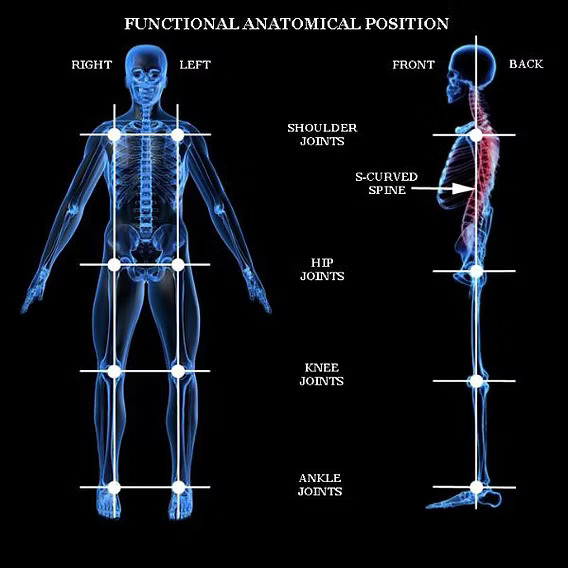
I once instructed a student on structural integrity. I aligned their skeleton and issued a command: “Relax completely, but do not change your position.”
I applied pressure, leaning my full weight against them. Their structure held. There was no muscular strain, only alignment. They were supporting a significant load with zero perceived effort.
I delivered the paradox to lock in the lesson: “Relax until your strength requires no effort.” That student never again confused tension with power.
Exercise: Deconstruct the Statement
This exercise illustrates the core concept. Consider the statement: “To control your opponent, you must first give them control.”
Reaction: Logically, this implies surrender. Why does the mind reject it?
Analysis: How can you lead momentum if there is no momentum to lead? How do you bait a reaction without offering an opening?
Application: Apply this to negotiation. Can you let the other party feel in charge to guide them to your conclusion?
Common Questions
Why not just teach the technique directly?
Direct instruction leads to mimicry. The paradox leads to ownership. In a high-stress environment, you cannot recall a list of steps; you can only rely on internalized principles.
Is confusion necessary?
Yes. Comfort is the enemy of growth. If you understand the concept immediately, you are likely relying on pre-existing assumptions rather than learning a new paradigm.
How does paradoxical teaching apply to physical safety?
Violence is chaotic. A linear mind fails in chaos. A mind trained to resolve paradoxes is adaptable, fluid, and capable of finding order in the chaos.
“I thought I was learning to fight. I was learning to think.”
Personal Safety Mentorship
This methodology is the foundation of our 10-week virtual curriculum.
Personal Safety: The 5 Biggest Worries (and How to Outsmart Them Like a Boss)
Bottom Line Up Front: Personal safety isn’t about living in fear—it’s about living smart. This guide transforms you from potential target to confident navigator of life’s challenges. The 5 biggest safety concerns we all face have smart, actionable solutions that make you walk with a little more swagger, knowing you’ve got your own back.
Let’s talk about something that probably pops into your head more often than you’d like: “Am I safe?” It’s a valid question in a world that sometimes feels like it’s auditioning for a reality show called “Chaos & Mayhem.” But here’s the kicker: most safety woes aren’t about being unlucky; they’re about being unprepared. Think of this as your friendly, slightly sarcastic guide to becoming a human “nope” button for trouble.
The Good News: You’re Getting Smarter (And It Shows)
Here’s something that might surprise you: when folks like us are doing our job informing the public, and people like you are listening and following our advice, we collectively make the world a little less welcoming for the bad guys. The numbers prove it:
Crime Type
2019 Incidents
2022 Incidents
Change (2019 to 2022)
Violent Crime
1,203,808
1,177,249
-2.2%
Property Crime
6,925,677
6,515,674
-5.9%
Burglary
1,116,664
933,788
-16.4%
Larceny-Theft
4,960,190
4,634,896
-6.6%
Source: FBI Uniform Crime Reporting (UCR) Program, National Incident-Based Reporting System (NIBRS) data.
See? Those numbers are going down, not up! So let’s ditch the textbook and dive into the five biggest safety concerns we all face, spiced with wit and actionable advice. Because life’s too short to be constantly looking over your shoulder… unless you’re doing it strategically.
Concern 1The Great Outdoors (and Public Transit) – How Not to Be a Target Practice Dummy
Ever get that weird tingle, like someone’s watching you? Or maybe you’re trying to enjoy your walk, but the world feels… off? You’re not paranoid, you’re just human. The stats show that fear of crime is a very real thing, especially for women.
Demographic
Percentage who feel “Safe”
Percentage who feel “Unsafe”
Men
78%
22%
Women
45%
55%
Source: Gallup Poll, “Crime Fears Are a Greater Deterrent to Women Than Men,” October 2023.
Over half of women feel unsafe walking alone at night. That’s a statistic we need to change, one smart, confident step at a time.
The Solution: Unleash Your Inner Detective (and Maybe a Little Sass)
Brain
Your Brain’s Built-In Radar (aka Situational Awareness):
This isn’t about being a spy, it’s about being present. That phone glued to your face? Put it down. Seriously. Criminals love a distracted target like a good cup of coffee – utterly irresistible. If you’re jamming out, one earbud in, one out. It’s like having a superpower: you hear the world, but you still get your tunes.
Gut
The Gut Feeling: Your Personal BS Detector:
You know that little voice that screams “RUN!” when something feels wrong? LISTEN TO IT. That’s your primal brain, and it’s usually right. If a situation or person gives you the creeps, don’t try to be polite. Your instincts can raise the alarm before anything dangerous happens.
Walk
Walk Like You Own the Place (Even If You Don’t):
Confidence is a cloak of invisibility against certain types of trouble. Walk confidently at a steady pace and make eye contact. If someone’s bothering you and polite nudges aren’t working, don’t be afraid to be rude for safety. A loud, curt “NO!” or “LEAVE ME ALONE!” is far better than being sorry.
Exit
The “Escape Artist” Mindset:
Always have an exit strategy. When you enter a new place, quickly scan for exits, emergency phones, or groups of people you could approach. For public transit, be alert at stops, have your fare ready, and if someone’s giving you the creeps, move seats and tell the driver.
📡 YOUR BRAIN IS THE RADAR
But radar is useless if you don’t know how to read the signals. In the Mentorship, we teach you how to tune your awareness so you spot the threat before it spots you.
Concern 2Home Sweet (Secure) Home – Because Your Couch Deserves Peace
Your home should feel like a fortress, not a target. While FBI data shows burglaries have dipped recently, they still happen, and the emotional toll is no joke. The good news? Making your home less appealing to burglars is surprisingly simple.
Entry Point
Percentage of Burglaries (Approx.)
Front Door
34%
First-Floor Window
23%
Back Door
22%
Garage Door
9%
Unlocked Entrance
30% (across various points)
Notice that “Unlocked Entrance” stat?
A whopping 30% of the time, they just walk right in! Let’s not make it easy for them.
The Solution: Turn Your Home into a “Nope” Zone for Bad Guys
Dog
The Fluffy (or Not-So-Fluffy) Guard Dog:
Seriously, this is probably the #1 deterrent. A career law enforcement friend “never saw a house that was robbed that had a dog. Not one.” A German Shepherd, Great Pyrenees, even a ridiculously yappy chihuahua can make a burglar think twice. “Dogs Present” is better than “Beware of Dog” on a sign, for legal reasons.
Light
Light It Up! (Like a Christmas Tree, But for Security):
Burglars are basically vampires – they hate light. Good lighting, especially motion sensor lights around doors and windows, is like shining a spotlight on their bad intentions. An orderly home/yard that looks well kept also screams, “Someone cares about this place!”
Thorns
The Thorny Welcome Mat (Literally):
Forget welcoming vibes; let’s go for “ouch” vibes. Plant rosebushes under windows or raspberry/blackberry bushes along your fence line. These natural barriers are like living barbed wire. Bougainvillea can be like “land mines in landscaping.” Delicious berries AND security!
Lock
Lock It Down (Duh, But Seriously):
This sounds obvious, but you’d be surprised how many break-ins happen through unlocked doors or flimsy windows. Invest in solid locks. Consider a monitored alarm system with sensors on doors and windows. If you’re feeling fancy, a safe room with thick concrete walls and steel door is the ultimate “nope” statement.
Concern 3The Unwanted Encounter – When “No” Isn’t Enough
Sometimes trouble finds you despite doing everything right. Knowing how to react, whether with words or, if absolutely necessary, with a well-placed kick, is crucial. The goal isn’t to become a UFC fighter; it’s to create an escape hatch.
The Solution: Talk Smart, Fight Dirty (If You Have To)
Talk
Verbal Judo: The Art of Talking Your Way Out:
Before things get physical, try to de-escalate. Use your tone, volume, and rate of speech to your advantage. Instead of yelling “CALM DOWN!” try “I can see that you are upset, how can I help?” Keep body language open, hands visible, move slowly. Project “I’m not a threat, and I’m listening.”
Fight
Physical Self-Defense: The “Get Away From Me!” Edition:
If words fail, your goal is to create an escape opportunity, not win a boxing match. Think “sensitive areas.” A well-placed kick or punch to the groin, knees, nose, or eyes can incapacitate an attacker just long enough for you to bolt. A few self-defense classes teach these quick, effective moves.
Non-Lethal Weapons: Your Personal Force Multiplier
Pepper Spray: Small, easy to carry, and delivers a nasty surprise. It’s like a spicy “leave me alone” button.
Bear Spray: This isn’t just for Yogi. “Bear spray will stop any predator or person.” It’s got a wider, more powerful spray, making it harder to miss and more effective.
Tasers: We’re talking “AN ACTUAL TAZER! not a stun gun. A tazer like cops carry!” These deliver neuro-muscular incapacitation, meaning they can drop someone fast, giving you plenty of time to make your grand exit.
🥋 VERBAL JUDO REQUIRES CONFIDENCE
You can’t de-escalate a conflict if you are visibly shaking. We teach you how to manage your own adrenaline so your words land with authority, not fear.
Concern 4Protecting Our Littlest (and Most Vulnerable) Humans
Life’s not just about guarding against external threats. Sometimes, the biggest dangers are hidden in plain sight, especially for kids or those struggling with addiction. This isn’t about judgment; it’s about vigilance and compassion.
The Solution: Secure, Aware, and Ready to Help
Kids
Child Safety: Tiny Hands, Big Dangers:
Kids are curious, which is adorable until they swallow a battery. Keep medications out of reach in child-resistant containers. Button batteries are silent killers – check remote controls, key fobs, toys. Store spares securely. Monitor children’s cell phones and online activity. Teach internet safety rules.
Help
Drug Use & Overdose Prevention: A Lifeline, Not a Lecture:
If someone is using, encourage them to tell a trusted person who can check in. Keep Naloxone (Narcan®) on hand – it’s a literal miracle drug for opioid overdoses. Learn how to administer it. The SAMHSA National Helpline is a great starting point. No one should face addiction alone.
Concern 5Your Digital Life – Because Your Privacy Is Priceless
Your digital life is as real as your physical one, and it’s a prime target for bad actors. A compromised email, identity theft, or hacked bank account can lead to devastating real-world consequences. Look at the escalating cost:
Year
Total Reported Complaints
Total Reported Losses (USD)
2019
467,361
$3.5 Billion
2020
791,790
$4.2 Billion
2021
847,376
$6.9 Billion
2022
800,944
$10.3 Billion
2023
880,418
$12.5 Billion
Source: FBI Internet Crime Complaint Center (IC3) Annual Reports.
Yes, that’s billions with a “B.” Let’s make sure your money (and identity) stays where it belongs: with you.
🔒 CYBER-SAVVY SUPERHERO CHECKLIST:
Password Power-Up: Use long, complex, unique passwords for every account. Get a password manager.
Phishing Defense: Never click links in suspicious emails. Go directly to the website.
Two-Factor Authentication: Enable 2FA on every account that offers it. It’s your digital bouncer.
Mind Your Digital Footprint: Check privacy settings on social media. Be mindful of what you share.
Update Software: Those “update available” notifications include critical security patches.
Final Thoughts: You Got This. Seriously.
Core Principles to Remember:
Be Aware, Not Paranoid: Practice situational awareness in all environments
Trust Your Gut: Your instinct is a powerful, built-in alarm system
Project Confidence: Your body language creates an invisible shield
Prepare, Don’t Panic: Have plans and tools ready before you need them
The world isn’t going to turn into a utopian paradise overnight. But by understanding these 5 biggest safety concerns and implementing these practical solutions, you’re not just protecting yourself; you’re empowering yourself.
Whether you’re looking to Learn Self-Defense Fast or develop comprehensive family safety skills, remember that personal safety is an ongoing journey. To further empower your personal security journey, we invite you to explore The Other Way to Personal Safety, your comprehensive interactive scout for navigating modern safety challenges.
Key Takeaways:
Crime rates are decreasing, but smart preparation is still essential
Situational awareness and confidence are your best first defenses
Home security starts with basics: locks, lights, and deterrents
Know how to de-escalate and when to fight back
Protect vulnerable populations with vigilance and compassion
Digital security is as important as physical security
Personal safety is about empowerment, not paranoia
Go Beyond Physical Techniques
This post covers the 20% (the strategies). My 10-Week Personal Safety Mentorship covers the 80%—the mindset, awareness, and de-escalation that prevents the fight from ever happening.
Remember: Personal safety isn’t about being paranoid; it’s about being prepared. Go forth, be aware, be confident, and live your best, safest life. You’ve earned it.
Disclaimer: The information in this article is for educational purposes only and is not a substitute for professional, in-person self-defense instruction. Self-defense training involves inherent risks; always consult qualified instructors and prioritize your personal safety.
Affiliate Disclosure: This post contains affiliate links, meaning we may earn a commission if you make a purchase through these links, at no extra cost to you.
Bottom Line Up Front: When searching for “self-defense classes near me,” prioritize instructors with real-world experience over flashy facilities, choose reality-based systems that stress-test techniques under pressure, and avoid programs promising instant mastery. Your safety depends on training that works when adrenaline floods your system—not just in perfect studio conditions.
When you search for “self-defense classes near me,” you’ll be bombarded with flashy websites promising to turn you into a human weapon in just six weeks. The reality? Most of these marketing promises are not just unrealistic—they’re potentially dangerous. After over three decades of training military personnel, law enforcement officers and civilians in personal protection, I’ve seen too many people waste money on classes that leave them with false confidence and ineffective techniques.
Beyond Marketing Hype: The Truth About Self-Defense Training
The slick marketing materials show models in perfect stances, throwing picture-perfect punches at compliant training partners. But real-world attacks don’t happen in well-lit studios with padded floors and advance notice. The truth is stark: When adrenaline floods your system during an actual confrontation, fine motor skills disappear. Complex techniques you practiced in calm conditions simply won’t work. Your carefully memorized sequences will evaporate under stress. This is why choosing the right self-defense training is literally a matter of life and death.
⚡ ADRENALINE VS. TRAINING
When your heart rate hits 140bpm, you lose fine motor skills. That fancy wrist lock won’t work. You need a system built on gross motor movements and psychological conditioning.
Types of Self-Defense Classes: A Practical Comparison
Here’s a comprehensive breakdown of different self-defense styles to help you make an informed choice:
Style
Best For
Real-World Effectiveness
Physical Demand
Time to Practical Skill
Krav Maga
Street defense, quick learning
⭐⭐⭐⭐⭐ (Aggressive, weapon defense)
High
Weeks (focus on instincts)
BJJ (Brazilian Jiu-Jitsu)
Ground defense, smaller individuals
⭐⭐⭐⭐ (Controls attackers)
Very High
Months (technique-heavy)
MMA
Overall fitness + defense
⭐⭐⭐⭐ (Versatile)
Extreme
6+ months
Women’s Self-Defense
Situational awareness, escapes
⭐⭐⭐ (Verbal de-escalation + simple strikes)
Low
Days (focused drills)
Traditional Martial Arts
Discipline, long-term skill
⭐⭐ (Sport-focused; less pressure-testing)
Medium-High
Years
Choose based on YOUR needs:
Just moved to a high-risk area? Prioritize Krav Maga or Women’s Defense for rapid skills
Chronic back pain? Avoid BJJ – opt for strike-based styles
Training with teens? MMA builds confidence but requires athleticism
Pro Tip: Call local studios and ask: “Do you spar with resistant opponents?” Realism beats tradition.
Instructor Vetting: Your Safety Checklist
How to choose an effective self-defense instructor is often the most important decision you’ll make. Their background shapes everything. Here’s a printable checklist that transforms passive advice into actionable investigation:
🔒 MUST-ASK INSTRUCTOR QUESTIONS:
“What certification do you hold? (NRA, KMG, SAFE International, etc.)”
“Can I see footage of your sparring sessions?” (Avoid static drills)
“Describe your experience de-escalating real violence.” (Therapists > athletes)
“Do you modify techniques for disabilities?” (Knee injuries? Hearing impaired?)
“What’s your student injury rate?” (Red flag if evasive)
🚩 WARNING SIGNS:
❌ Uses “guaranteed fight wins” in marketing
❌ No first-aid certified staff onsite
❌ Forbids filming techniques for home practice
❌ Boasts unrealistic abilities or promotes a “fight to the death” mentality
❌ Lacks transparency about their training or experience
🥋 CAN’T FIND A QUALIFIED INSTRUCTOR?
Good local instructors are rare. But you don’t have to wait for one to appear in your zip code. We bring the instructor to you virtually, then deploy to your city for the physicals.
The Black Belt Myth: What Certifications Actually Mean
A black belt in a martial art, while impressive, doesn’t automatically qualify someone to teach real-world self-defense. Many martial arts are sports-focused, with rules and traditions that don’t apply to street encounters. Certifications specific to self-defense systems (like Krav Maga or certain combatives programs) are often more relevant than traditional martial arts ranks for practical application.
Advanced Local Search Tactics
Transform “search near me” into an investigative strategy that goes far beyond basic Google searches:
Step 1
Use incognito mode to avoid personalized results skewing local listings
Step 2
Search "self-defense classes [Your City]" + "review" and scan 1-star reviews first. Look for patterns:
“Instructor dismissed my injury…” → Avoid
“Felt unsafe sparring…” → Avoid
“Cancelled classes often…” → Verify schedule
Step 3
Cross-reference with Nextdoor/neighborhood apps. Search "mugging" or "assault" + your area. Note which studios locals recommend AFTER incidents
Step 4
Visit police precinct websites (e.g., Springfield PD Community Resources). Many host certified low-cost workshops
Safety Considerations: The Unspoken Concerns
Most classes ignore the psychological and legal complexities that can make or break your training experience. Here’s what transforms a section from “nice to have” to critical:
Why ‘Safe’ Training Prevents Real Trauma:
A class that ignores consent drills (“surprise attacks” without warning) or mocks panic responses can retraumatize assault survivors. Ask:
Women-only sessions if gender dynamics cause anxiety
Small class sizes (under 12 students per instructor)
The Hidden Reality: What “Realistic Scenarios” Should Actually Look Like
Many classes claim to offer “realistic scenarios,” but what does that truly mean? It’s more than just putting on pads.
Beyond Punching Bags: Stress-Testing Under Pressure
A good class will move beyond static drills and punching bags. They will introduce dynamic, unpredictable elements that mimic real attacks. This includes uneven surfaces, low light conditions, or even multiple “attackers” (trained partners). The goal isn’t just to practice moves, but to test if those moves can be performed when you’re surprised and under pressure.
The Adrenal Dump Factor: Why Controlled Chaos Matters
In a real threat, your body experiences an “adrenal dump.” This causes tunnel vision, loss of fine motor skills, and difficulty thinking clearly. Effective self-defense classes should introduce controlled chaos to simulate this. This helps you learn to function despite the physiological changes.
The Economics of Safety: Understanding Self-Defense Class Costs
When considering self-defense classes near me, understanding the cost is important, but remember it’s an investment in your safety.
Typical Pricing Ranges for Different Training Types
Short Workshops (2-4 hours): $50 – $150
Beginner Courses (4-8 weeks): $150 – $400
Ongoing Memberships (per month): $80 – $250+ (similar to martial arts gyms)
These are general ranges; always confirm with individual schools.
Community Options vs. Premium Programs
Many community centers, YMCAs, and local police departments offer basic self-defense workshops, sometimes for free or at a low cost. These can be a great starting point for beginner self-defense classes for adults. Premium programs, often specialized self-defense schools, will offer more intensive, ongoing training and might have more specialized equipment.
Legal and Safety Considerations Most Classes Never Mention
Beyond physical techniques, understanding the legal and safety landscape of self-defense is crucial.
Understanding Self-Defense Laws in Your Area
Laws vary significantly by state and country. A good self-defense program should at least generally educate you on:
The “reasonable force” standard: How much force is legally justifiable?
The “duty to retreat”: Do you have to try to escape before using force?
Defense of others: Can you defend someone else?
While instructors aren’t lawyers, they should be able to discuss these concepts in a general sense.
Inclusive Training: Self-Defense for Every Body and Ability
Self-defense is for everyone, regardless of age, fitness level, or physical condition.
Beginner Self-Defense Classes for Adults of All Fitness Levels
A welcoming program will cater to true beginners, regardless of their current fitness level. They should focus on fundamental movements, building basic strength, and improving coordination gradually. You shouldn’t feel intimidated or like you need to be an athlete to start.
Age-Appropriate Training from Teens to Seniors
For Kids (ages 5-12): Focus on stranger danger, “no, go, tell,” boundary setting, loud voices, and simple escapes. It’s about empowering them to seek help and avoid danger.
For Teens: Builds on basic concepts, adds de-escalation, peer pressure, and common urban threats
For Seniors: Focuses on balance, maintaining mobility, using assistive devices if necessary, and effective escapes from common attacks like purse snatching or pushes
Protect your children with age-appropriate safety training:
The mental game is just as important as the physical one.
Building Real Confidence vs. False Bravado
Genuine self-confidence building comes from competence, not arrogance. A good class teaches you humility and a realistic assessment of threats and your own abilities. False bravado, on the other hand, can lead to dangerous overconfidence and poor decision-making.
Mental Health Benefits of Self-Defense Training
Beyond just physical safety, effective self-defense training offers significant mental health benefits, including:
Reduced anxiety and stress
Increased self-esteem and body positivity
Improved focus and discipline
A sense of empowerment and control over one’s safety
Finding Quality Self-Defense Classes Near You: Final Checklist
Where to Look Beyond Google Searches:
Word of Mouth: Ask trusted friends, family, or colleagues who have trained
Community Centers & YMCAs: Often offer basic, affordable options
Police Departments: Some offer free citizen self-defense courses
Specialized Schools: Look for schools specifically dedicated to self-defense systems
Questions to Ask Before Your First Visit:
What is the instructor’s real-world experience and background?
How are realistic scenarios incorporated into training?
Do you offer trial classes or observation periods?
Are there options for different fitness levels or physical limitations?
Do you discuss legal aspects of self-defense?
🥋 Your Path to Effective Personal Protection
Key Takeaway: Finding truly effective self-defense classes near you is about looking beyond the surface. Prioritize instructors with real-world experience, training that incorporates realistic stress, and a curriculum that emphasizes avoidance, de-escalation, and simple, repeatable techniques.
Choosing the right self-defense training is one of the most valuable investments you can make. It’s not just about learning to fight; it’s about building situational awareness, mental resilience, and genuine self-confidence that empowers you to navigate the world more safely.
Next Steps: Start by researching schools in your area using the advanced search tactics provided above. Don’t hesitate to call, ask the specific questions from our checklist, and attend trial classes. Your journey to enhanced personal safety and peace of mind begins with making an informed choice.
Go Beyond Physical Techniques
This post covers the 20% (the physical training). My 10-Week Personal Safety Mentorship covers the 80%—the mindset, awareness, and de-escalation that prevents the fight from ever happening.
This post contains affiliate links, meaning we may earn a commission if you make a purchase through these links, at no extra cost to you.
Disclaimer:
The information in this article is for educational purposes only and is not a substitute for professional, in-person self-defense instruction. Self-defense training involves inherent risks; always consult qualified instructors and prioritize your personal safety.