Skip to content

The Mental Shield

Stop Being a Target and Start Becoming Unshakable

Most people are easily manipulated because they provide a clear target: their ego. When you allow your sense of self to be defined by others, you hand them a weapon to use against you. Real sovereignty comes from insulating your core—building a mental shield that allows you to engage with conflict without absorbing the damage. You don’t need a thicker skin; you need to move the target.

The Ego-Target

The need for approval makes you visible and vulnerable. If someone can hurt your feelings, they can control your actions. By defending your ego, you remain a stationary target for bullies and manipulators.

The Invisible Shield

When you remove the need for approval, the target disappears. You become a “ghost” in the conflict. You are fully present, but there is nothing for their aggression to latch onto or damage.

The Strategic Shift: High-stakes conflict isn’t won by hitting harder; it’s won by being impossible to hit. By insulating your inner space, you create a buffer where their pressure stops being an attack and starts being just data.

Are you ready to stop being pushed around and reclaim your personal sovereignty?

Apply for Mentorship

Step 1: Insulating the Inner Space

Defined Boundaries

You cannot protect what you haven’t defined. Establish where “you” end and the “world” begins. If someone’s opinion enters your inner space, it’s because your insulation is thin.

Quick Tip: Imagine a clear glass wall between you and the aggressor. You see the data (their words), but the force stays on their side.
Ego Removal

Aggression requires fuel. When you stop defending your “self-image,” you stop providing that fuel. If they can’t make you defensive, they have lost their leverage.

Quick Tip: When attacked, ask yourself: “What are they trying to hit?” If it’s your pride, just step aside and let the pride go.
Majestic willow on a stormy peak
“The storm only breaks what resists it. To be unshakeable, be like the space the storm passes through.”

Step 2: High-Stakes Engagement

The Boardroom Bully

Imagine a leader using shame or volume to dominate a meeting. Most people shrink or fight back—both are reactions that feed the bully. Instead, maintain your structure and ask for facts.

Conflict Example: If they say “This is a failure!”, respond calmly with: “Which specific metrics are we looking at to adjust the strategy?” You’ve shifted from ego to data.
The Manipulative Relative

Family dynamics often use guilt as a hook. They try to pull you into their emotional storm. By staying rooted, you allow them to have their storm without it becoming yours.

Conflict Example: When they use guilt, don’t explain or justify. Just acknowledge their feeling: “I understand you feel that way,” and maintain your boundary.

Don’t just survive conflict—learn to navigate it with effortless power.

Apply for Mentorship
“Real power is the ability to remain at peace in the center of the storm. Not because the storm isn’t dangerous, but because your roots are too deep for it to matter.”

“I faced a high-stakes investigation where I was being scapegoated. By removing my ego from the equation and focusing solely on the data, I was able to dismantle the accusations without ever breaking my calm. It was the most powerful I’ve ever felt.” — S. Rodriguez, Executive Director

Common Questions

Does the mental shield make me cold or uncaring?

Not at all. In fact, it allows you to be more compassionate because you aren’t constantly in a state of self-defense. You can see people clearly—even their flaws—without being wounded by them. It is clarity, not coldness.

How do I build this shield in real-time during a fight?

Focus on your physical weight and your breath. When the heat rises, feel your feet on the ground. This pulls you out of the emotional “top-heavy” reaction and puts you back in your core. Silence is your best tool—it gives you space to insulate before you speak.

What if someone is physically aggressive?

The same logic applies: boundaries and structure. However, the mental shield ensures you don’t freeze. Panic is the enemy of safety. By staying calm, you maintain the ability to move, exit, or protect yourself effectively. Courtesy is control, even in danger.

Is this ‘shield’ just a way of hiding?

No. Hiding is moving away from the world in fear. The mental shield is about moving into the world with sovereignty. You aren’t avoiding conflict; you are engaging with it on your own terms, refusing to be defined or diminished by it.

What is the ultimate goal of this practice?

The goal is personal sovereignty. You want to reach a point where your internal state is entirely your own. Whether people are shouting or clapping, your roots stay in the same place. That is the definition of freedom.

Reclaim Your Sovereignty

This mentorship is for those who are done with being victims of manipulation and aggression. We teach the internal mechanics that make you impossible to push over.

Apply for Mentorship


The Shifting of the Root is the map; the mentorship is the guide.

The Cost of Caring: Ending Social Over-Extension

Stop Losing Your Energy to Drama That Isn’t Yours

Learn how Strategic Insulation can help you gain professional autonomy by stopping social over-extension and reclaiming your own time and energy. We often feel tired because we care too much about other people’s problems. We think we are being helpful, but we are actually just leaking our own power. When you stop trying to fix everything for everyone else, you can finally focus on what matters to you.

The Distractions

This is the noise, the drama, and the tasks that aren’t your job. It’s when you reach too far to help people who won’t help themselves, leaving you empty.

The Real Priorities

This is your actual work, your health, your family, and your peace of mind. This is the solid ground you need to protect to stay independent.

Strategic Insulation is not about being cold or mean. It’s about staying strong on the inside so you can choose when to help and when to stay focused on your own path.

Ready to take your freedom back?

Apply for Mentorship

Step I: Looking Inward

Stay Rooted

Before you can stop people from pulling you around, you have to know where you stand.

Simple Lesson: Think of yourself like a strong tree. The wind of other people’s drama might shake your leaves, but your trunk stays still and solid.
Notice the Leak

Learn to feel when you are getting too involved in something that isn’t your business.

Simple Lesson: When your heart starts beating fast because of someone else’s mistake, stop. Remind yourself that this is their problem to solve, not yours.
“Real strength isn’t about carrying everyone else’s weight; it’s about knowing what is actually yours to carry.”
Resilience at the storm's edge

The Willow: Moving with the wind, but staying in place.

Step II: Taking Action

Let Pressure Pass

Instead of trying to catch every problem thrown at you, let them sail past.

Simple Lesson: When someone tries to dump their stress on you, listen but don’t take it. Say something like, “That sounds tough. What are you going to do?”
Take Your Space Back

You don’t need to make a big announcement. Just quietly stop giving away your time.

Simple Lesson: Don’t answer texts or emails right away. By slowing down, you teach people that you aren’t always available to fix their lives.

Don’t let drama run your life. Master your space.

Apply for Mentorship

“I used to try to fix everything for everyone at work. I was always stressed. Once I learned to stay in my own space, I finally had the energy to get my own work done.”

— Sarah J., Project Leader

Common Questions

“Is this being mean to people?”

No. Being mean is taking things from others. Taking care of yourself is just making sure you have enough energy to live your own life.

“What if my friends or coworkers get mad?”

They might be upset because they’re losing a “free” helper. Their anger shows that they were using you, which is why you need this boundary.

“How do I start without a big fight?”

You don’t need to argue. Just quietly do less. Like water finding its own level, just move to where you feel peaceful and stay there.

Protect Your Peace

Our mentorship helps you build the habits you need to stop being the target for everyone else’s mess. If you are ready to be in charge of your own life, we can help.

Apply for Mentorship Now
Social Over-Extension is the map; the mentorship is the guide.

Ending Decision Paralysis Under Pressure

How to find your footing when expectations feel overwhelming.

Mastering strategic insulation allows you to maintain professional autonomy by replacing high-pressure freeze responses with decisive, fluid action. In demanding environments where tension or manipulation often takes center stage, the instinct to “freeze” is a natural protective measure that has simply outlived its usefulness. To reclaim your poise, you must learn to move with the pressure rather than against it, navigating toward clarity without the exhaustion of unnecessary friction.

The Freeze

A state of internal gridlock. This happens when the weight of a situation locks your ability to respond, leaving you feeling stuck and at the mercy of others’ demands.

The Flow

A state of quiet readiness. Here, you maintain your calm while accommodating external demands, allowing the intensity of others to pass by as you quietly adjust your position.

Seeking Stability: Decision paralysis is often just a hesitation to meet an impact. By moving into “flow,” you realize you don’t need to stop the momentum of a situation; you only need to ensure you aren’t standing in the way of it. You aren’t backing down—you are simply choosing a more sustainable path.

Ready to reclaim your professional peace of mind?

Apply for Mentorship

Phase I: Setting the Foundation

Finding Your Center

Internal stillness begins with the breath. By relaxing your shoulders and settling your weight, you prevent a stressful moment from becoming a stressful mindset.

Owning Your Space

Autonomy is an inside job. When you own your emotional space, you stop being a passenger in someone else’s difficult day.

A willow tree bending gracefully in the wind by a lake at twilight, symbolizing resilience and flow

Phase II: Taking Action

Gently Shifting the Narrative

Instead of taking on the full weight of a confrontation, try a subtle shift. Adjust the timing or the topic to let the intensity of the other person dissipate harmlessly.

Creating Perspective

Step back not to hide, but to see. When you create mental distance, you discover new options for moving forward that were hidden when you were too close to the problem.

Move from reaction to intentional navigation.

Apply for Mentorship
“The tall oak stands firm until the wind breaks its branches. The willow is soft, yielding to the breeze, and because it flows, it remains whole long after the gale has passed. True grace is not about standing your ground—it is about having the wisdom to move where the ground is more stable.”

Insights from the Journey

“I used to freeze whenever a meeting turned tense. Now, I just take a breath and guide the conversation elsewhere. I feel like I’ve finally taken the steering wheel back.”
— Senior Project Manager, 48

“Choosing flow over resistance changed how I work. I’m no longer exhausted by office politics because I’ve learned how to stay out of the path of the storm.”
— Executive Director, 52

Common Questions

Is yielding the same as giving up?

Not at all. Giving up is being pushed; yielding is a choice you make to keep your balance. It is a proactive way to maintain your dignity and your direction.

What if my ‘freeze’ response feels automatic?

It feels automatic because it’s a habit. By practicing small, fluid responses in low-stakes moments, you build a new ‘map’ for your mind to follow when the pressure rises.

How does this help me stay independent?

When people can’t knock you off balance, they lose their ability to control your actions. You become the calmest, most autonomous person in the room.

Find Your Flow

Enrollment for our mentorship is focused on providing direct, personal guidance to a small group of professionals. Stop feeling stuck. Start moving with purpose.

Apply for Mentorship
The Decision Paralysis is the map; the mentorship is the guide.
The Hook of Provocation: Strategic Insulation Guide

The Invisible Hook: Navigating the Friction of Provocation

Why they pull, why you react, and how to become ungraspable.

Master strategic insulation to dissolve the hook of provocation, ensuring professional autonomy when others attempt to manipulate your emotions. For the professional who has spent years “fighting back,” the realization eventually dawns: the fight itself is the cage. When you engage with a provocateur on their terms, you have already handed over your sovereignty. You are no longer moving of your own volition; you are being towed by a line you didn’t see coming.

In every high-stakes interaction, there are two layers at play: the noise we see and the intent we don’t. Most people exhaust themselves by shouting at the noise. They reply to the snide email with a clever retort. They meet the aggressive tone with a defensive posture. This is the “obvious” layer—the surface-level friction that consumes your time and adrenaline.

The Obvious (Jitsu)

The external “attack.” This includes the deadline that isn’t yours, the gaslighting in the boardroom, or the frantic energy of a manager who cannot manage themselves. It is loud, distracting, and demands an immediate, emotional response.

The Hidden (Kyo)

The true mechanism. This is the “hook” looking for a place to land. It relies on your ego and your lack of defined boundaries. If you have no “surface” for the hook to catch, the attacker finds themselves pulling on thin air, losing their own balance in the process.

Outcome: Create Space

Strategic insulation isn’t about building a thicker wall; it’s about becoming a ghost. When you remove your ego from the equation, you remove the target. The “Void” is the state where an insult arrives and finds nowhere to land. You don’t block the force—you simply aren’t there to be hit.

Ready to stop reacting and start navigating? Reclaim your sovereignty today.

Apply for Mentorship

Phase I: Internal Mechanics

Before you can handle an external provocateur, you must secure your own structure. If your internal state is a chaotic mess of “what-ifs,” you are already hooked. You are reacting to the world like a leaf in a storm, rather than a tree with deep roots.

Defining the Perimeter

You cannot protect what you have not defined. Draw a line in your own mind regarding where your responsibility ends. When someone crosses it, observe the crossing as data rather than an emergency.

Lesson: When you see the line between their chaos and your peace, the hook stops hurting.
The Weight of Calm

Panic is a high-frequency vibration; wisdom is low and heavy. Maintain a physical sense of weight—breathing low into your belly—to become too heavy to be moved by shallow provocations.

Lesson: Stability is not rigidity; it is the ability to return to center regardless of the wind.
A resilient willow tree glowing with internal teal light during a storm

Phase II: External Action

Once you are stable, your movements change. You no longer push back; you yield and redirect. This is the essence of effortless action—using the opponent’s own momentum to ensure your safety.

The “Slick” Response

When an aggressive email arrives, acknowledge the data but ignore the insult. By providing the utility without the emotional fuel, you leave the provocateur holding their own aggression.

Lesson: Removing the ego removes the handle they use to pull you.
Splitting the Force

If someone pushes you in a meeting, don’t stand your ground like a wall. Use an angle. Ask a question that forces them to defend their logic using their own energy, effectively “splitting” their attack.

Lesson: Yielding is not losing; it is the strategic management of momentum.

Move from theory to practice with guided strategic insulation.

Apply for Mentorship

We often think that to be strong, we must be hard. We think that to survive the “hooks” of the world, we must sharpen our own. But the hardest steel is also the most brittle. It chips, it rusts, and it eventually breaks under enough pressure. True resilience is found in the fluid, the weighted, and the unattached. When you stop needing to win the fight, you find that the fight has already lost interest in you.

“I used to go home with a headache from office politics. Now, I feel like I’m watching a movie I’m not actually in. My work is better, and my family likes me again.” — Senior Project Manager “It’s not about being soft. It’s about being so structurally sound that their nonsense just slides off. It’s the ultimate power move.” — Director of Operations

Frequently Asked Questions

If I don’t fight back, won’t I look weak or passive?

Weakness is losing your center because someone else pulled a string. Real strength is remaining the only person in the room who is still in control of themselves. When you don’t provide the reaction they expect, you aren’t being passive; you are being ungraspable.

How do I deal with someone who is persistent and won’t stop poking?

A hook that never catches anything eventually stops being cast. When they realize their provocation provides zero “fuel” for their own ego, they naturally seek an easier target. You aren’t ignoring them; you are simply refusing to give them a handle.

Can I use these techniques in digital spaces like email or Slack?

The medium changes, but the mechanism is the same. Digital hooks are designed to make you type a frantic, defensive response. Strategic insulation means providing the data requested while completely ignoring the poison attached to the phrasing.

Is this a mindset or a physical skill?

It is both. Your body and mind are connected. If your body is tense and brittle, your mind is reactive. If your mind is insulated, your body stays relaxed and weighted. Mastery is the union of the two.

Stop Fighting. Start Insulating.

The world won’t stop being aggressive, but you can stop being a target. Our mentorship provides the specific, tactical frameworks to reclaim your professional autonomy and your personal peace.

Apply for Mentorship

Limited availability for Q1 enrollment. We only work with those ready to move beyond the friction.

The Hook of Provocation is the map; the mentorship is the guide.

The Art of the Velvet Rope: Safety Without the Scene

Most professionals I work with—engineers, project managers, consultants—operate under a specific anxiety. They are competent people who can solve complex problems, but they are terrified of “The Scenario.”

The Scenario isn’t a fistfight. It’s the moment a conversation turns hostile, or a stranger gets too close, and they freeze. They struggle because they do not know how to set boundaries without being aggressive. They are trapped in a dilemma: “I want to be safe, but I am terrified of looking like a jerk.”

We often confuse safety with aggression. We think the only way to stop a threat is to puff up our chest, shout, and dominate the space. And since you—the Reluctant Pragmatist—value dignity and logic, the idea of causing a scene feels like a failure.

This creates the Dignity Trap. You don’t want to be a bully, so you swing to the other extreme and become a doormat. You let people interrupt you, encroach on your time, or vent their emotional chaos onto you because you are trying to be “nice.”

But in Kyo-Jitsu Ryu, we distinguish between being Nice and being Kind.

  • Nice is trying to please everyone to avoid discomfort.
  • Kind is being clear.

Stop Guessing. Start Designing.

You don’t need to learn how to fight in a cage. You need a blueprint for navigating the world on your own terms.

View the Mentorship Curriculum “I didn’t need to learn to punch; I needed permission to have boundaries. The relief was immediate.” — Sarah J.

The Concept: Architecture vs. Muscle

If you treat safety as a fight, you will always be exhausted. Instead, think like an architect.

Consider the difference between a Stone Wall and a Velvet Rope.

A Stone Wall is aggressive. It blocks the view. It challenges people to climb it, graffiti it, or smash it. It requires constant maintenance and guarding. It signals, “I am afraid of you, so I am hiding.”

A Velvet Rope is different. It is elegant. It is minimal. It doesn’t block the view, but it clearly defines where the “Public Zone” ends and the “VIP Zone” begins. It signals, “I respect you, but this space is reserved.”

You don’t need to be a bouncer to be safe. You need to be an Architect. You need to define the space so clearly that conflict resolves itself outside your perimeter, not inside.

PROTOCOL COMPARISON REF: KJR-SEC-09
Metric / Parameter The Stone Wall (Aggressive) The Velvet Rope (Assertive)
Energy Cost HIGH (Active Guarding) LOW (Static Design)
Signal Sent “I am afraid of you.” “This space is reserved.”
Opponent Reaction Challenge / Recoil Observation / Bypass
Sustainability Low (High Burnout Risk) High (Indefinite)
Social Perception Unstable / “Jerk” Professional / “Pro”

The Physics of Push-Back

Why does aggression fail? It comes down to simple physics.

According to Newton’s Third Law, for every action, there is an equal and opposite reaction.

When you scream “Back off!” or “Shut up!”, you are applying force. The other person’s ego must push back to save face. You have just poured gasoline on the spark. You have turned a nuisance into a duel.

A Velvet Rope doesn’t push; it just is. It is a static boundary. By removing the “push,” you remove the fuel for their reaction. You deny them the friction they need to start a fire.

The Protocol: Constructing Your Rope

How do we build this in real life? We move away from the binary of Fight or Flight and use the following protocol to set boundaries without being aggressive.

1. The Internal Audit (Define the Line)

You cannot enforce a property line you haven’t surveyed. Before you walk into a meeting, a family holiday, or a transit station, you must know what your “Non-Negotiables” are.

Is it your personal space? Is it the volume of voice you will tolerate? Is it a specific topic? If you wait until you are emotional to decide where the line is, it’s too late. The rope must be up before the guests arrive.

2. The Soft Wedge (Verbal Separation)

When someone bumps into your boundary, do not shove them back. Instead, place a “Soft Wedge” between their behavior and your reaction. Separate the person from the action.

The Aggressive Way: “You are being rude!”
(This attacks the person and invites a counter-attack.)

The Velvet Rope Way: “I cannot continue this conversation while voices are raised. Let’s take a break and come back in ten minutes.”
(This defines a condition. You aren’t fighting them; you are simply stating the rules of entry.)

3. No Recoil (Stand Your Ground)

This is where most empathetic people fail. After they set the boundary, they feel guilty. They apologize. They take a half-step back.

Do not do this.

If you apologize for your boundary, you destroy it. You teach the other person that your limits are negotiable. Once the rope is clipped into place, stand still. Do not explain. Do not justify. Silence is the lock on the gate.

The Strategic Win

The goal of the Velvet Rope isn’t to dominate the other person or “win” the argument. The goal is Strategic Insulation.

By setting clear, polite, and firm limits, you allow the “cold wind” of the world to blow past you without changing your internal temperature. You remain the architect of your environment, not the victim of it.

Is Your Safety Designed or Accidental?

Most people leave their safety to chance. We teach you how to engineer it. Join the next intake of the Personal Safety Mentorship and regain your agency.

Secure Your Place

Limited Intake to ensure quality mentorship.

P.S. You have the right to be wrong. You have the right to change your mind. Safety is the foundation of that freedom.

Operational Control: The Transition Phase

Field Report • Vehicle Safety Protocols

True vehicle safety is more than crash ratings; it is about tactical positioning. The modern automobile is a paradox—4,000 pounds of capability, yet a metal coffin for the unprepared.

Most drivers treat their vehicle like a mobile lounge. They enter, check their phone, and browse playlists. For those 30 to 90 seconds, they are sitting inside a locked box with no escape route, fully disconnected from the threat environment.

The Transition Zone: Situational awareness experts note that predators hunt in driveways because that is where your cognitive load is highest. In the context of vehicle safety, if you are not deliberate, the car is not a tool. It is a cage.

The Protocol: 5-Point Secure Start

To ensure tactical vehicle safety, you must standardize your entry. Amateurs rely on instinct; Professionals rely on checklists.

1

Lock

The Fortress Wall

Action: Lock the doors immediately upon entry.

Do not wait to settle in. If a threat pulls your handle one second after you sit down, the difference between a “scare” and a “carjacking” is this split-second decision.

2

Belt

The Anchor

Action: Fasten seatbelt before starting engine.

If you must reverse aggressively or jump a curb to escape an ambush, you cannot control the vehicle if you are sliding across the leather.

3

Glass

The Sound Barrier

Action: Ensure all windows are up.

Glass prevents de-escalated shouting matches from turning physical. It forces the aggressor to commit a felony to reach you.

4

Engine

The Heartbeat

Action: Start the engine immediately.

A car without an engine running is just a heavy sofa. You cannot move, you cannot use power steering, and you cannot escape.

5

Scan

The Vector

Action: Identify exit & prepare transmission.

Look at your “Out” before you look at your phone. A tactical driver knows that ‘Reverse’ is often the only way out.

Mentorship Note: This is where the OODA Loop begins.

Knowledge is Not Capability

Reading this guide gives you intellectual concepts. It does not give you muscle memory. In a high-stress crisis, you will not rise to the level of your checklist; you will sink to the level of your training.

“The first time I tried this in a simulation, I fumbled the lock. Better to fail here than on the street.” — Sarah T., Mentorship Alum (Class 4)
Audit Your Readiness

Common Questions

My car has keyless entry. Does that change anything?
Yes. Keyless entry often has a delay that can compromise vehicle safety. Go into your vehicle settings and disable auto-unlock on Park immediately. You want to control when those doors open.
What if I have passengers?
The protocol remains. The “Scan” phase happens before you unlock the car for them. Ensure the perimeter is clear before loading.
Is tint a tactical advantage?
Generally, yes. It prevents a potential aggressor from assessing the number of occupants or the driver’s capability.

Is Your Nervous System Ready?

Knowing how to lock the door is easy. Remembering to do it when adrenaline hits your bloodstream is different. We train the nervous system to perform simple tasks under complex stress.

Start Your Training

Pre-Flight Your Aircraft

This entire process takes less than four seconds. It does not require paranoia; it requires discipline. When you enter your vehicle, true vehicle safety requires you to act as the pilot, not a passenger. Secure your cockpit.

Control Yourself Or Something Else Will

You cannot control the threat environment. You can only control your response. The Other Way Mentorship is not for everyone. It is for those who accept responsibility for their own safety.

Strict Cap: 10 Students Per Class. Secure Your Spot Now.
P.S. Safety is not a product you buy. It is a discipline you practice.

© 2025 The Other Way Martial Consulting. All rights reserved.

Disclaimer: The information provided in this guide is for educational purposes only. Consult with a security professional for specific threat assessments.

The Strategic Guide to Office Safety Layout

Is Your Desk a Trap?

A strategic office safety layout is the intentional arrangement of your environment to maximize clarity and ensure clear paths of movement. By prioritizing awareness over aesthetics, you maintain autonomy during high-conflict interactions.

Many executives design offices for status—the heavy mahogany desk, the view of the skyline, the high-back chair. But a strategist designs for Presence and Access. When you prioritize the view over the room, you lose sight of the environment. In the corporate world, especially when handling sensitive negotiations or terminations, your office must be more than impressive—it must be functional for your safety.

1. The Command Position

Maintain Your Sightlines

The first rule of setting your space is simple: Prioritize your vision. You cannot manage what you cannot see. If a volatile situation enters the room, you need immediate visual data to make calm decisions.

Position yourself in the part of the room furthest from the entrance, facing the door, with a solid wall behind you. Avoid boxing yourself in behind a heavy desk where a frustrated employee could block your only exit.

*Ensure no guest sits between you and the exit. If the energy in the room shifts, you must have a clear path to disengage.*

2. Create a “Buffer Zone”

Distance creates psychological safety, but you don’t want to appear paranoid. The solution is using a “soft barrier”—like a coffee table or a low credenza.

It looks hospitable to your guest, but functionally, it prevents a sudden intrusion into your personal space. It acts as a natural pause button, forcing anyone approaching you to navigate around an object, buying you the split-second needed to respond rather than react.

3. Transparency as Defense

Privacy is important, but total isolation can be a liability during tense meetings. A closed, heavy door creates a “black box” where narratives can be distorted.

Conduct volatile meetings in rooms with glass walls or leave the door slightly ajar. The knowledge that they are being observed acts as a powerful de-escalator, encouraging everyone to maintain their composure.

4. The Protocol Checklist

A good layout needs a good process. Before any high-stakes meeting, run this mental check.

Signal

The Interrupt

Establish a subtle cue with your assistant. A specific phrase or open door policy that signals them to interrupt the meeting naturally if tension rises.

Water

The Pacifier

Place water on the table. It’s courteous, but it also serves a function. Taking a sip forces a pause in speaking and gives an agitated person something neutral to do with their hands.

Seating

The Environment

Choose stationary chairs for guests. A chair on wheels adds kinetic energy to a situation; a stationary chair keeps the person grounded and reduces restless movement.

See what happens when these protocols are ignored in this Case File Analysis of a manager who got trapped.

Common Layout Questions

What if my office is too small for a ‘Command Position’?
Prioritize the **Exit Path**. Even in a small room, ensure you are closer to the door than the guest is. If that creates an awkward setup, move the meeting to a neutral conference room where you can control the seating arrangement.
Will this layout make me look defensive?
No. A thoughtful layout creates **Presence**, not paranoia. A coffee table looks welcoming, not like a barricade. You are designing the room for subconscious authority and comfort, which puts everyone at ease.
I can’t buy new furniture. What can I do today?
**Declutter the path.** Remove trash cans, floor lamps, or stacks of files that sit between you and the door. Clear your lines of sight. Ensure your own movement isn’t restricted by your own environment.

📝 Need this for your HR Team?

I have compiled these protocols into a single-page operational checklist for your team to use before every termination or disciplinary meeting.

Your Office is Your Space

Ensure your office layout supports your ability to remain calm and in control. A few inches of adjustment can be the difference between feeling trapped and maintaining your sovereignty.

Build Your Command Presence

Office design is just one layer of insulation. True safety comes from the ability to read intent and de-escalate conflict before it escalates. Our Mentorship program helps executives build the internal stability to handle the most difficult conversations in business.

*Next Intake Limited to 10 Students.

P.S. You can’t control every person who walks through your door, but you can control the room they walk into. Start there.

© 2025 The Other Way Martial Consulting. All rights reserved.

Disclaimer: The information provided in this blog post is for educational purposes only. Consult with a security professional for specific threat assessments.

×

Unlock The Protocol

Where should we send the file?

Your information is secure.

The Strategic Mindset: Finding Your Way to Safety

Beyond “Fight, Flight, Freeze, or Fawn”

The Strategy Gap

First, conflict triggers a natural reaction. We know it as the “fight, flight, freeze, or fawn” response. This is instinct. However, instinct is not strategy. Therefore, Kyo-Jitsu Ryu offers The Other Way.

Conflict is a strategy problem, not a brawl. Consequently, you must not meet force with force. That is a Destructive Mentality. Instead, think like a consultant. Be calm. Be efficient. Focus only on finding your way to safety.

Core Strategic Concepts

Kyo (The Weakness) / Jitsu (The Strength)

For example, think about mechanics. An attacker’s push is their strength (Jitsu). But that push creates a gap (Kyo). So, move out of the way. Let their strength become a weakness. Read more about our core principles here.

Mobile Stability

Basically, this is the principle of readiness. Stay balanced. Stay grounded. Furthermore, be ready to move. You are never stuck. You are always ready to negotiate your way to safety.

Part 1: The Physical Game

The Common Reaction: The Sledgehammer

Initially, your gut tells you to tense up. You want to strike hard. However, this tires you out. Also, it makes you predictable. You lose balance. As a result, you act like a battering ram: high force, low control.

The Strategic Response: The Tuning Fork

In contrast, do not oppose force. Use precision to break their structure. When an attacker grabs you, they commit to that action. Therefore, allow that commitment. Then strike the exposed target to break their focus. The grip releases because they feel new pain, not because you pulled away.

🚫 Stop Fighting Force With Force

Trying to overpower an attacker is a gamble. However, redirecting their energy is a science. In the Mentorship, we teach you the physics of “Mobile Stability” and finding your way to safety efficiently.

“I stopped trying to out-muscle people and started out-thinking them. It changed everything.” — Michael K., Student Learn The Physics

Part 2: The Mental Game

The Strategic Response: The Cognitive Pause

First, keep control. Force the attacker to think. For instance, use a Verbal Strike. Ask a calm, odd question like, “Are you okay?” This breaks their script. Consequently, it creates a Cognitive Pause. It shifts their brain from “attack” to “think.” This buys you time to escape.

The Common Reaction: The Panic Button

Unfortunately, untrained minds panic. You join the attacker’s drama. You yell or argue. Thus, this confirms their power. It locks you into a victim role. You get tunnel vision. Finally, you lose the ability to think your way to safety.

🧠 Hack The Attacker’s Mind

A fight is psychological. Therefore, by disrupting their OODA Loop (Observe-Orient-Decide-Act), we teach you the verbal techniques that freeze an aggressor in their tracks.

“The ‘Cognitive Pause’ technique de-escalated a road rage incident instantly. I was home safe in 5 minutes.” — David L., Broker Master Verbal Defense

Part 3: The Life Game

The Fighter vs. The Strategist

The Fighter wants to win the battle. But this escalates conflict. It risks legal trouble. On the other hand, the Strategist has one goal: ensure safety.

Use the scalpel, not the sledgehammer. This aligns with Passive Resistance. Moreover, it protects you legally and ethically. Remember: Success is not winning a fight. Success is navigating your way to safety unharmed.

A calm, confident man stands completely still in the middle of a motion-blurred urban street at twilight, sharply in focus while crowds rush past him, symbolizing clarity and control—your way to safety.

The Goal is Peace

We do not train to fight. Rather, we train so we never have to fight on the enemy’s terms. Peace is internal. Maintaining that peace is the ultimate efficiency.

Frequently Asked Questions

Is passive resistance safe against violence?

Yes. It isn’t about doing nothing. Instead, it is about doing the smart thing. Refuse to meet force with force. Create openings (Kyo). Thus, you find your way to safety faster than a brawl.

Do I need to be fit or strong?

No. The system relies on leverage and mechanics. Therefore, it does not need brute strength. It is effective for people of all ages.

How is this different from MMA?

MMA focuses on “winning the fight.” However, Kyo-Jitsu Ryu focuses on “surviving the encounter.” We prioritize de-escalation. Ultimately, we focus on your way to safety.

Go Beyond The Concepts

This guide covers the 20% (the theory). However, my 10-Week Personal Safety Mentorship covers the 80%. We cover practical application, nervous system regulation, and the drills that make these strategies second nature.

*Next Intake Limited to 10 Students to ensure personalized instruction.

P.S. You do not need more muscle. Instead, you need more strategy. The principles are the map; the mentorship is the guide.

© 2025 The Other Way Martial Consulting. All rights reserved.

Disclaimer: The information provided in this blog post is for educational purposes only. Consult with a security professional for specific threat assessments.

The Safe Open House Protocol

Control The Environment, Control The Outcome

As a real estate professional, your focus is on connection and service. But hospitality without boundaries is vulnerability. An open house is the definition of an “unpredictable situation”—you are in an unfamiliar space, inviting the general public inside, often while alone.

This isn’t about paranoia. It is about preparation. Holding a safe open house is a professional process—a series of small, smart habits that grant you complete control over your environment.

Phase 1: Preparation & Staging

The Setup: The Foundation of a Safe Open House

Your safety plan starts before you unlock the front door. Arrive with intention. Walk the property with a safety mindset, not just a sales mindset.

  • Park for Exit: Park on the street, never in the driveway where you can be blocked in. Ensure a clear path to leave.
  • The Safety Buddy: Inform a colleague or partner of your schedule. Send a “Start” text upon arrival and a “Safe/Concluded” text upon departure.
  • Stage for Safety: Unlock interior deadbolts to ensure escape routes are effortless. Remove hazards (valuables, prescription drugs, potential blunt weapons).
  • Digital Perimeter: Use a digital sign-in app. This creates a record of entry and filters out those unwilling to identify themselves.
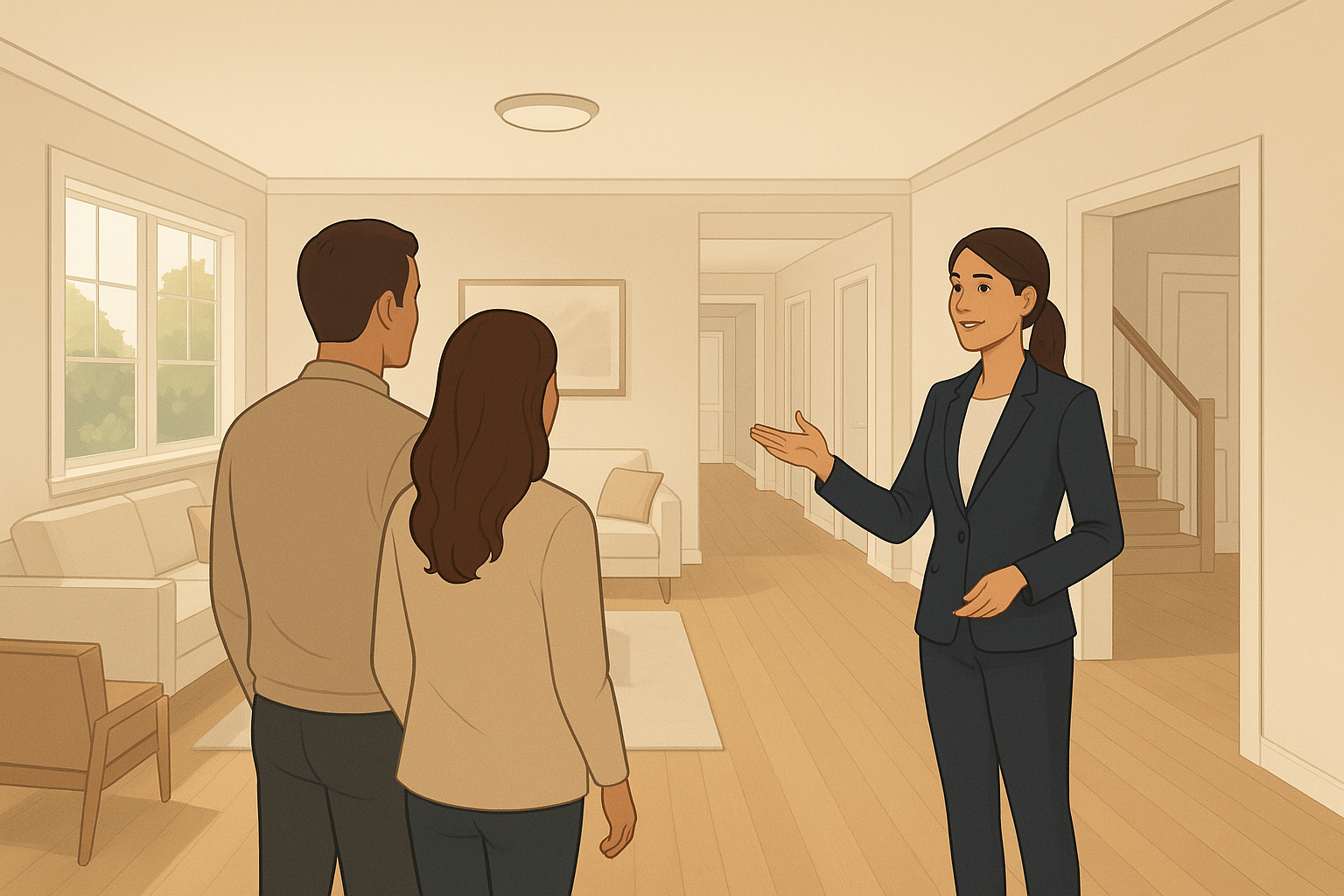
Real Estate Agent Preparing for Open House
🧠 The Mindset Shift

You are not just a host; you are the site manager. When you control the space, you project a confidence that naturally deters boundary-pushing.

🚫 “Polite” Can Be Dangerous

We are taught that boundaries are rude. In the Mentorship, we re-train your nervous system to prioritize your safety over social comfort without losing your professionalism.

“I used to be afraid of offending clients. Now I know my confidence actually makes them trust me more.” — Jessica R., Realtor Build Your Boundaries

Phase 2: Awareness & Positioning

Agent guiding guests safely
🧠 The Positioning Rule

Never let yourself be trapped. Your best position is near the front entry or a central living area with clear visibility and at least two escape paths.

Managing the Flow

Physical positioning and mental presence are your most powerful tools during the event.

  • Guide, Don’t Follow: Control the flow. Stand back, gesture, and say, “The master bedroom is just down the hall to your left.” Let them walk ahead of you. Keep them in your line of sight; never let them get between you and your exit.
  • Be Present: Keep your head up, not buried in your phone. Make direct eye contact with every entrant. This projects calm authority and signals you are aware.
  • Trust Your Internal Alarm: If a person feels “off,” do not brush it aside as being judgmental. That is your internal risk assessment working. Maintain distance.

🗣️ Verbal De-Escalation

What do you say when someone crosses a line? We don’t rely on rigid scripts because every situation is different. Instead, we give you the tools to stay calm enough to adapt when under pressure.

“The training gave me the tools I didn’t know I needed until I was in a weird situation. I was able to adapt instantly.” — David L., Broker Master Verbal Defense

Phase 3: The “Closed” Sign

Secure and Exit

The event isn’t over until you are safely in your locked car and on your way home. This transition moment is often where vulnerability is highest.

  • Full-Clear Sweep: Before locking the front door, check all rooms, closets, and patios. Announce yourself: “The open house is now over, I’m locking up!” Never assume you are alone.
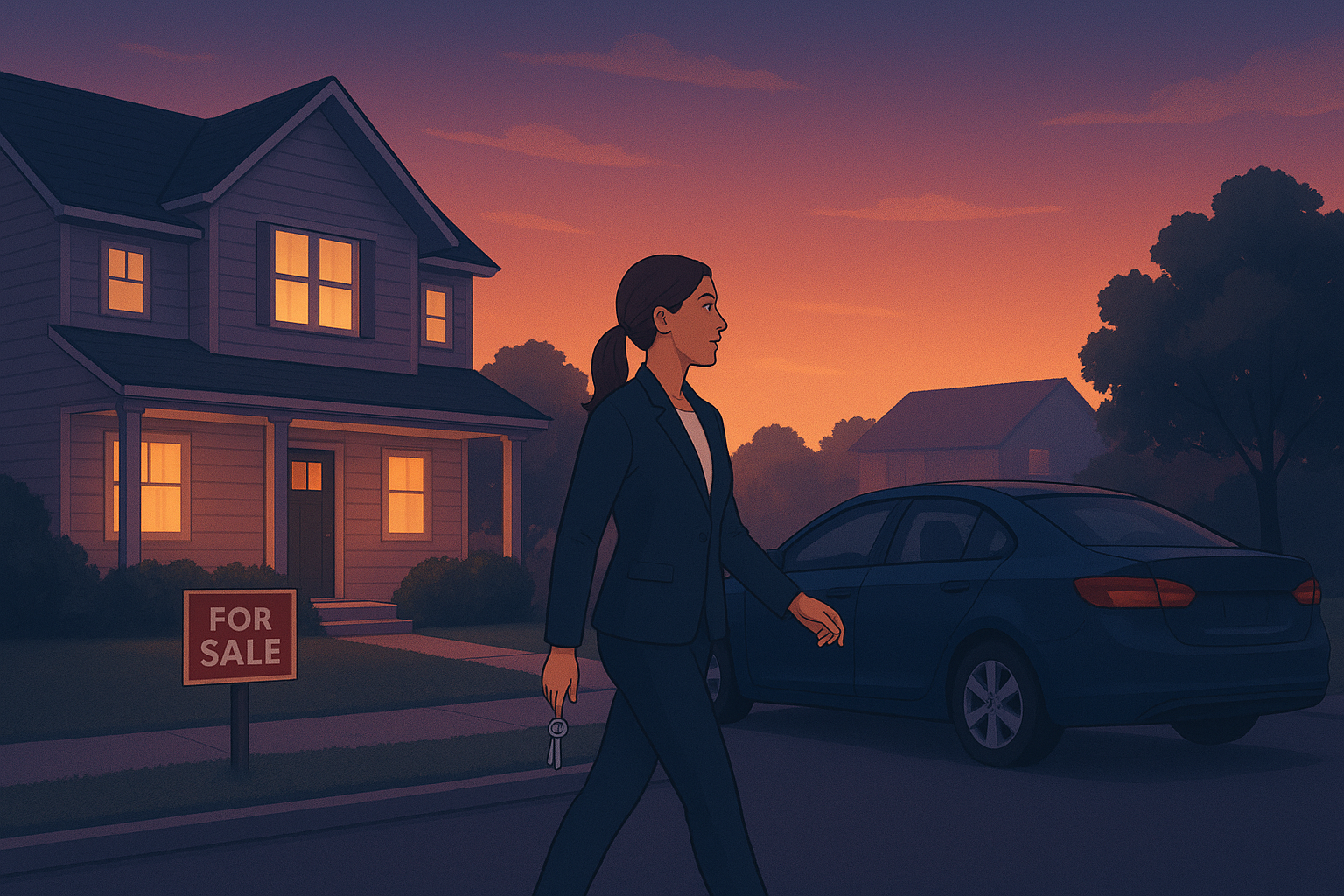
  • Purposeful Exit: Walk to your car with keys in hand and head up. Get in, lock doors immediately, and drive off. Do not sit in the driveway checking emails.
  • Close the Loop: Send that final text to your safety buddy: “All clear and heading home.”
Agent leaving safely
🧠 The Transition

Complacency hits hardest at the end of the day. Maintain your “Condition Yellow” (relaxed alert) until you have completely left the site.

From Checklist to Confidence

A checklist manages the environment. However, running a truly safe open house requires more than a list; it requires unshakeable confidence that comes when these actions become second nature.

When you are prepared, you can handle an agitated client or an aggressive stranger with the same professional calm you use to negotiate a contract. Safety is not a gadget; it is a design feature of your professional practice.

Go Beyond The Checklist

This article covers the 20% (the procedure). My 10-Week Personal Safety Mentorship covers the 80%—the intuition, the verbal defense, and the physical capability to ensure you never feel powerless in an empty house again.

*Next Intake Limited to 10 Students to ensure quality instruction.

P.S. You do not need more fear. You need more structure. The checklist is the map; the mentorship is the guide.

© 2025 The Other Way Martial Consulting. All rights reserved.

Disclaimer: The information provided in this blog post is for educational purposes only. Consult with a security professional for specific threat assessments.

Affiliate Disclosure: This post contains affiliate links. If you use these links to buy something, we may earn a commission. Thank you for your support.

Danger Management

When most people think of martial arts, they picture the physical fight. But the core philosophy of Kyo-Jitsu Ryu is about what happens before the first punch is thrown. It is about being smarter, more aware, and more strategic than a potential threat.

“The supreme art of war is to subdue the enemy without fighting.”
— Sun Tzu, The Art of War

Danger Management is a proactive, layered system for personal safety. Think of it as a series of concentric rings of protection, with the physical confrontation at the absolute center. The goal is to solve a problem at the outermost ring possible.

1. Awareness: Your Radar

Personal Radar

Step one is the foundation: being present. Your goal is to know everything happening within a 30-foot sphere around you. Outside that range, you have time. Inside that range, you are in potential danger.

It is about noticing behavior, identifying threats, and recognizing exits before you need them.

Safety is a Design Feature “I realized I was walking through life with my eyes closed. This system turned the lights on.” — J.P.

Most people wait for an emergency to think about safety. We teach you to design your life so emergencies are rare, and your response is ready.

Explore The Mentorship

The Layers of Defense

🚫
2. Avoidance

Cross the street. Leave the party. If you remove yourself, you have won the confrontation before it began.

🗣️
3. De-escalation

The art of verbal defense. Use words and body language to lower the temperature. Empathy and respect can dissolve aggression.

De-escalation
👊
4. Physical Response

The last resort. Use necessary force only to neutralize the immediate threat and create an exit.

🏃
5. Escape

The ultimate goal. Disengage and move to safety. Victory is survival, not domination.

Practice

The Mental Walk-Through

The next time you are in a coffee shop or waiting in line, practice the first two steps:

  • Scan: Who is in your 30-foot sphere? Where are the exits?
  • Identify: Is anyone behaving erratically? Is an argument brewing?
  • Plan: If something happened right now, what is your primary exit route?

This simple habit builds proactive awareness without paranoia.

P.S. The best fight is the one you never have. Your mind is your primary weapon. Keep it sharp. – Sensei B. Duncan
Next Intake Limited to 10 Students

Personal Safety Mentorship

10-week virtual foundation + 2-day in-person deployment.

Come Join Us

Copyright © 2025 The Other Way Martial Consulting. All rights reserved.

Disclaimer: Educational purposes only. Consult a professional before training.

Affiliate Disclosure: This page contains affiliate links.

Man with raised open hands faces an aggressive man on a wet city sidewalk at dusk, illuminated by streetlights and dramatic reflections.

Spot the Conflict Threshold: How to Stop a Fight Early

Conflict usually follows a predictable path. Shouting and arguments can cross an invisible line in a split second. Learn how to spot this line—the conflict threshold—and use simple, physical steps to protect your space before the fight begins.

A person sits at a corner table in a quiet coffee shop, looking out at the normal, relaxed activity of the room.

Spot Street Danger Early by Learning What is Normal

Safety starts with knowing what is normal. Learn how to recognize the baseline of any room to spot trouble before it gets close. The Baseline: The normal state of an environment. Deviations indicate potential threat. You cannot notice what is wrong in a space until you first understand what is normal. Every environment has its… 

A man stands with straight, balanced posture in the center of a wet city street at night. He is wearing a dark jacket and boots, calmly looking out at his surroundings. The crowd of people walking past him is blurred by motion. Warm streetlights reflect off the damp pavement, with city buildings and trees under a dark sky in the background.

Target Hardening: 4 Simple Ways to Prevent Attacks on the Street

Predators look for easy targets. You can make yourself look like too much work by standing tall, paying attention, and keeping your balance. Learn the four simple physical changes that help you stay safe on the street.

A man stands with a balanced and upright posture in the center of a busy, blurred urban plaza at night. His calm presence creates a natural radius of clear space as the crowd flows around him. In the background, he monitors an individual moving erratically against the rhythm of the crowd, demonstrating active data collection and situational control.

How to Stop Being a Target: Mastering Situational Awareness

Situational awareness is a state of active data collection, not a reaction based on fear. Learn the 4 structural fixes to project presence, control your proximity, and map your exits effectively to ensure your own safety.

A man stands at a gas station at dusk, leaning with his back against a black car and his hand raised in a stop gesture. A fuel hose creates a physical barrier between him and another man approaching in the background. The man at the car looks away from the approaching figure, demonstrating calm awareness and control of the environment.

How Your Mind is Used Against You: 4 Simple Fixes

Aggressors use social pressure and confusion to control their targets. Learn how to make yourself structurally unavailable and break their script using 4 simple methods that require minimal effort in the moment.

A woman stands centered and calm in a bright room, looking directly forward with sharp focus. Around her, people are blurred in motion, representing a busy and confusing environment. Her stillness shows internal control and a clear grasp of her own reality while the world around her moves out of focus.

Am I Being Gaslit? The 3-Step Plan to Reclaim Your Reality

Gaslighting is an attempt to control your life by invalidating your reality. If you rely on someone else's truth to feel safe, you have lost control. At The Other Way, our philosophy is simple: If you do not control yourself, someone else will. This guide gives you a three-step plan to trust your own facts, stop the debate, and reclaim your reality. You are the final authority on your own experience. If you wait for agreement, they are still in control.

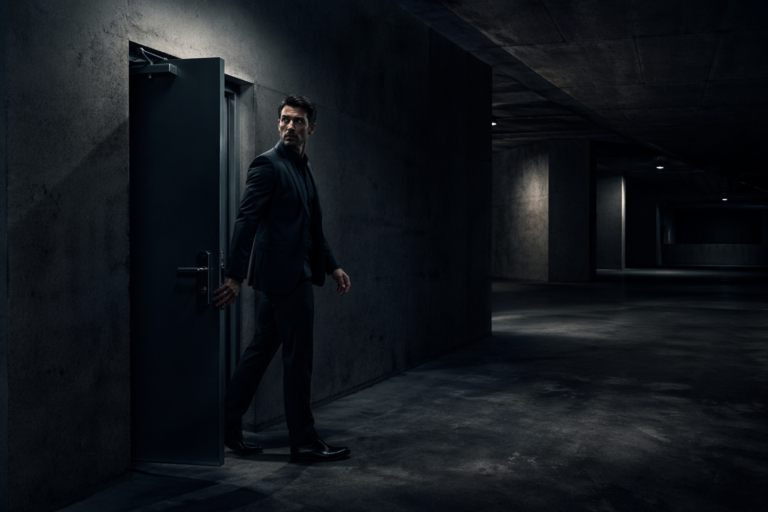
A man in a dark suit steps through an industrial door into a large, dimly lit concrete parking structure. He looks back over his shoulder with a sharp, alert expression, scanning the dark environment behind him.

Lingering Awareness: How to Be Safe After the Encounter Ends

Dropping your guard after a success is a strategic mistake. Discover how to maintain awareness and bridge the gap between actions to ensure your safety.

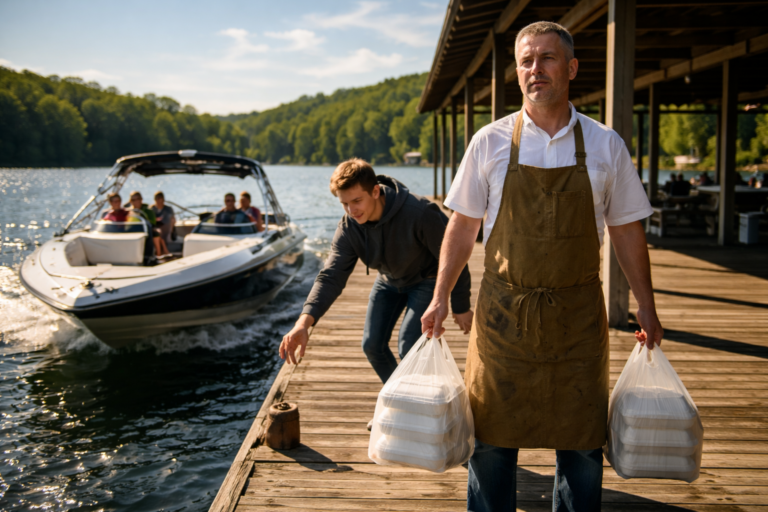
A delivery man in a white shirt and tan apron stands on a sunlit wooden dock, holding two bags of food. Behind him, a teenager in a grey hoodie reaches for a bag. A multi-passenger boat docks in the background on a lake surrounded by trees.

The Identity Bridge: Handling Rough Situations Caused By Someone Else

When aggression hits, most people either fight or fold. True control comes from a third option. By using the Identity Bridge, you can redirect momentum and offer others a path back to their better selves. Learn how to remain rooted when the world tries to move you.

A delivery man in a white shirt and tan apron stands on a sunlit wooden dock, holding two bags of food. Behind him, a teenager in a grey hoodie reaches for a bag. A multi-passenger boat docks in the background on a lake surrounded by trees.

Ask Sensei: How to Handle Aggressive People and Stay in Control

Most people react to aggression with more anger, but there is a better way. By labeling the behavior instead of the person and providing an exit, you can manage a situation without fighting. Learn how to stay steady and maintain your sovereignty even when things get tense.